
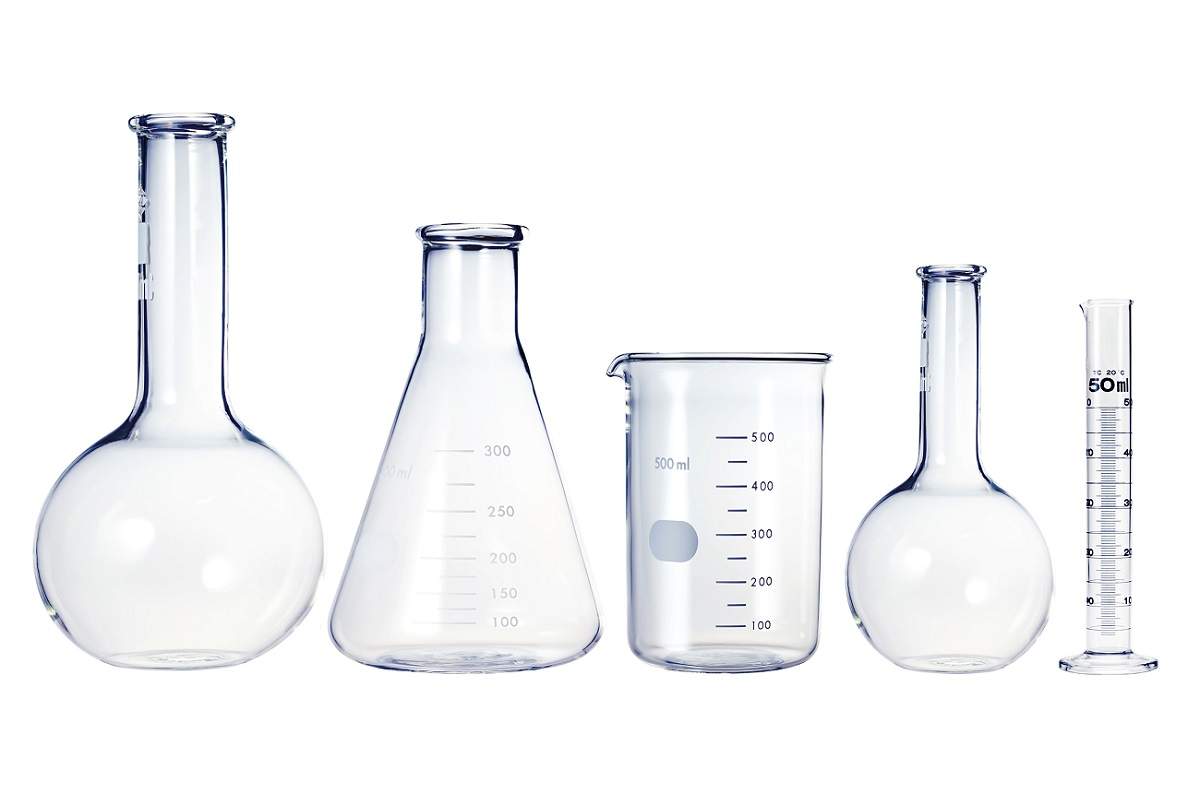
The Importance of Accuracy and Precision in Laboratory Glassware
When it comes to conducting experiments and analyses in a laboratory setting, the accuracy and precision of laboratory glassware play a crucial role in obtaining reliable results. Accuracy refers to how close a measurement is to the true value, while precision relates to the consistency of repeated measurements.
High-quality laboratory glassware is designed and manufactured with precision to ensure accurate measurements. Even minor variations in the calibration or construction of glassware can lead to significant errors in experimental outcomes. Therefore, it is essential for scientists and researchers to pay close attention to the selection and maintenance of laboratory glassware.
Factors Affecting Accuracy and Precision
Several factors can impact the accuracy and precision of laboratory glassware. These include:
- Calibration: Proper calibration of glassware is essential to ensure accurate volume measurements. Regular calibration checks should be carried out to maintain precision.
- Cleanliness: Contaminants or residues left on glass surfaces can affect the accuracy of measurements. Thorough cleaning and drying procedures are necessary before using glassware for experiments.
- Temperature: Changes in temperature can cause expansion or contraction of glass, leading to inaccuracies in volume measurements. It is important to conduct experiments at controlled temperatures.
- Handling: Mishandling or improper use of glassware can result in damage that affects its accuracy and precision. Careful handling practices should be followed at all times.
Ensuring Accuracy and Precision
To maintain the accuracy and precision of laboratory glassware, it is recommended to:
- Regularly inspect glassware for any signs of damage or wear.
- Use appropriate cleaning techniques to remove contaminants effectively.
- Store glassware properly when not in use to prevent breakage or deterioration.
- Follow manufacturer guidelines for calibration and maintenance procedures.
In conclusion, accurate and precise measurements are essential for producing reliable scientific data. By understanding the importance of accuracy and precision in laboratory glassware, researchers can enhance the quality and credibility of their experimental results.
Understanding Accuracy and Precision in Laboratory Glassware: Key FAQs
- 1. What is the difference between accuracy and precision in laboratory glassware?
- 2. How can I ensure the accuracy of volume measurements using laboratory glassware?
- 3. What factors can affect the precision of laboratory glassware?
- 4. Why is calibration important for maintaining the accuracy of laboratory glassware?
- 5. What are the best practices for cleaning and handling laboratory glassware to ensure precision?
- 6. How does temperature variation impact the accuracy of measurements with laboratory glassware?
1. What is the difference between accuracy and precision in laboratory glassware?
In the realm of laboratory glassware, understanding the distinction between accuracy and precision is paramount. Accuracy refers to how close a measurement is to the true value or target, reflecting the absence of systematic error. On the other hand, precision relates to the consistency and reproducibility of measurements when repeated under the same conditions, regardless of their closeness to the true value. In laboratory settings, achieving both high accuracy and precision in glassware measurements is crucial for obtaining reliable and trustworthy experimental results. While accuracy ensures that measurements are close to the intended value, precision guarantees that repeated measurements yield consistent outcomes. Striking a balance between accuracy and precision in laboratory glassware usage is essential for conducting successful experiments with confidence and reliability.
2. How can I ensure the accuracy of volume measurements using laboratory glassware?
To ensure the accuracy of volume measurements using laboratory glassware, several key steps should be followed. Firstly, it is crucial to carefully select the appropriate glassware for the specific type of measurement required, considering factors such as the desired volume range and the precision needed. Secondly, regular calibration of the glassware should be conducted using certified reference materials to verify its accuracy. Proper handling techniques, including ensuring cleanliness and avoiding damage, are essential to maintain accuracy. Additionally, following standard operating procedures and adhering to recommended measurement techniques can help minimise errors and improve the reliability of volume measurements obtained using laboratory glassware.
3. What factors can affect the precision of laboratory glassware?
Several factors can influence the precision of laboratory glassware. One crucial factor is the quality of calibration, as inaccuracies in the calibration process can lead to imprecise measurements. Additionally, the cleanliness of glassware plays a significant role, as any residues or contaminants on the surface can affect precision. Environmental factors such as temperature fluctuations can also impact precision by causing expansion or contraction of the glass. Proper handling and storage practices are essential to maintain the integrity of laboratory glassware and ensure consistent precision in experimental results.
4. Why is calibration important for maintaining the accuracy of laboratory glassware?
Calibration is crucial for maintaining the accuracy of laboratory glassware because it ensures that measurements taken with the glassware reflect true values. Over time, factors such as wear and tear, environmental conditions, and regular use can lead to deviations in the accuracy of glassware. By calibrating laboratory glassware regularly, scientists can adjust for any potential inaccuracies and ensure that their measurements are precise and reliable. This process helps to uphold the integrity of experiments and analyses conducted in the laboratory, ultimately leading to more accurate results and informed conclusions.
5. What are the best practices for cleaning and handling laboratory glassware to ensure precision?
When it comes to ensuring precision in laboratory experiments, adopting best practices for cleaning and handling laboratory glassware is paramount. Proper cleaning techniques are essential to remove any contaminants or residues that could compromise the accuracy of measurements. It is recommended to use appropriate cleaning agents and methods, such as rinsing with distilled water or using specialised cleaning solutions. Additionally, handling glassware with care to avoid damage or scratches is crucial for maintaining its precision. By following strict cleaning protocols and handling procedures, scientists can uphold the integrity of their experiments and achieve accurate results consistently.
6. How does temperature variation impact the accuracy of measurements with laboratory glassware?
Temperature variation can have a significant impact on the accuracy of measurements with laboratory glassware. Changes in temperature can cause expansion or contraction of the glass, leading to variations in volume measurements. This can result in inaccuracies in the quantities of substances being measured, affecting the reliability of experimental results. It is crucial for scientists and researchers to conduct experiments at controlled temperatures to minimise these effects and ensure the precision and consistency of their measurements using laboratory glassware.
I just couldn’t go away your web site before suggesting that I extremely enjoyed the usual information a
person supply in your visitors? Is gonna be again continuously to investigate cross-check new posts
You actually make it appear so easy with your presentation but
I find this matter to be really something that I feel I’d by no means understand.
It sort of feels too complicated and extremely broad
for me. I am looking ahead to your next put up, I will
attempt to get the hold of it!