
The Importance of Accuracy, Resolution, and Precision
Accuracy, resolution, and precision are vital concepts in various fields such as science, engineering, mathematics, and technology. While these terms are often used interchangeably, they have distinct meanings and play crucial roles in ensuring reliable results.
Accuracy
Accuracy refers to how close a measured value is to the true or accepted value. In other words, it measures the degree of correctness of a measurement compared to a standard or reference. High accuracy indicates that the measurements are consistently close to the actual value.
Resolution
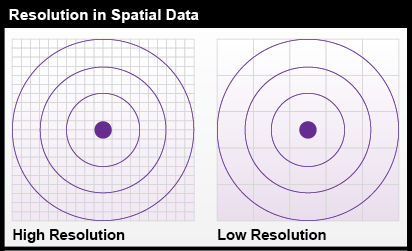
Resolution is the smallest increment by which a measuring device can detect or display a signal or quantity. It determines the level of detail or granularity in measurements. A higher resolution means that smaller changes can be observed and recorded accurately.
Precision
Precision relates to the consistency or repeatability of measurements when taken under the same conditions. It quantifies how closely individual measurements agree with each other. High precision indicates that repeated measurements yield similar results.
In conclusion, accuracy ensures that measurements are close to the true value, resolution determines the level of detail captured in measurements, and precision reflects the consistency of results. Understanding and maintaining these factors are essential for obtaining reliable data and making informed decisions across various disciplines.
Understanding Accuracy, Resolution, and Precision: Key Questions Answered
- What is the difference between accuracy, resolution, and precision?
- How does accuracy affect the reliability of measurements?
- Why is resolution important in data analysis and measurement?
- Can you provide examples of high accuracy in real-world applications?
- How can one improve precision when conducting experiments or measurements?
- What are the common sources of error that impact accuracy, resolution, and precision?
- Are there any tools or techniques available to enhance the accuracy, resolution, and precision of measurements?
What is the difference between accuracy, resolution, and precision?
The question of distinguishing between accuracy, resolution, and precision is a common one that often arises in discussions related to measurements and data analysis. Accuracy refers to how close a measured value is to the true or accepted value, ensuring correctness in the results obtained. Resolution, on the other hand, indicates the smallest increment by which a measuring device can detect or display a signal, determining the level of detail in measurements. Precision pertains to the consistency or repeatability of measurements taken under the same conditions, highlighting the agreement between individual measurements. Understanding these nuances is crucial for obtaining reliable and meaningful data across various fields where precise measurement and analysis are essential.
How does accuracy affect the reliability of measurements?
The level of accuracy in measurements directly influences the reliability of the data obtained. When measurements are accurate, they closely align with the true or accepted values, increasing the trustworthiness of the results. High accuracy ensures that the data is free from significant errors or deviations, leading to more precise and dependable conclusions. In contrast, inaccurate measurements can introduce biases and inaccuracies that compromise the reliability of the entire dataset, potentially leading to incorrect interpretations and decisions. Therefore, maintaining a high level of accuracy is crucial for ensuring the reliability and validity of measurements in various fields of study and applications.
Why is resolution important in data analysis and measurement?
In data analysis and measurement, resolution plays a crucial role in determining the level of detail and precision of the results obtained. A higher resolution allows for the detection of smaller changes or variations in data, leading to more accurate and nuanced insights. With increased resolution, analysts can capture subtle patterns, trends, and anomalies that may be crucial for making informed decisions or drawing meaningful conclusions from the data. Therefore, ensuring adequate resolution in data analysis and measurement is essential for obtaining comprehensive and reliable information that can drive effective strategies and actions.
Can you provide examples of high accuracy in real-world applications?
In real-world applications, high accuracy is crucial for ensuring reliable and precise outcomes in various fields. For instance, in the field of GPS navigation systems, high accuracy is essential to pinpoint exact locations and provide accurate directions to users. Another example can be found in medical imaging technologies such as MRI machines, where high accuracy is necessary to produce detailed and accurate images for diagnosis and treatment planning. Additionally, in the aerospace industry, high-precision instruments are used to measure critical parameters during flight operations, ensuring safety and efficiency. These examples highlight the importance of high accuracy in real-world applications where precision and reliability are paramount.
How can one improve precision when conducting experiments or measurements?
Improving precision in experiments or measurements requires attention to detail and careful consideration of various factors. One way to enhance precision is by ensuring the use of high-quality equipment that has a high resolution capability. Calibrating instruments regularly and following standard operating procedures can also help minimise errors and increase precision. Conducting multiple trials and averaging the results can reduce random errors and improve the consistency of measurements. Additionally, maintaining a stable environment, controlling variables, and minimising sources of interference can contribute to achieving greater precision in experimental outcomes. By implementing these strategies diligently, researchers can enhance the reliability and accuracy of their measurements while striving for increased precision in their work.
What are the common sources of error that impact accuracy, resolution, and precision?
Common sources of error that can impact accuracy, resolution, and precision include environmental factors such as temperature fluctuations, humidity levels, and vibrations. Instrumental errors stemming from equipment calibration, sensor inaccuracies, or signal noise can also affect the reliability of measurements. Human errors, such as improper technique or subjective judgments, may introduce inconsistencies in data collection. Additionally, systematic errors arising from bias or flawed experimental design can compromise the overall accuracy and precision of results. Understanding these potential sources of error is crucial for mitigating their effects and ensuring the validity of scientific findings across different fields.
Are there any tools or techniques available to enhance the accuracy, resolution, and precision of measurements?
When it comes to enhancing the accuracy, resolution, and precision of measurements, there are several tools and techniques available to achieve more reliable results. Calibration of measuring instruments is a fundamental method to ensure accuracy by comparing the instrument’s readings with known standards. Increasing the resolution can be achieved by using instruments with higher sensitivity or by employing signal processing techniques to enhance data clarity. Techniques such as averaging multiple measurements, reducing environmental noise, and implementing statistical analysis can help improve precision by reducing random errors and increasing consistency in results. Additionally, advancements in technology have led to the development of specialised equipment and software designed to enhance the accuracy, resolution, and precision of measurements across various fields. By utilising these tools and techniques effectively, researchers and professionals can elevate the quality and reliability of their measurement processes.