
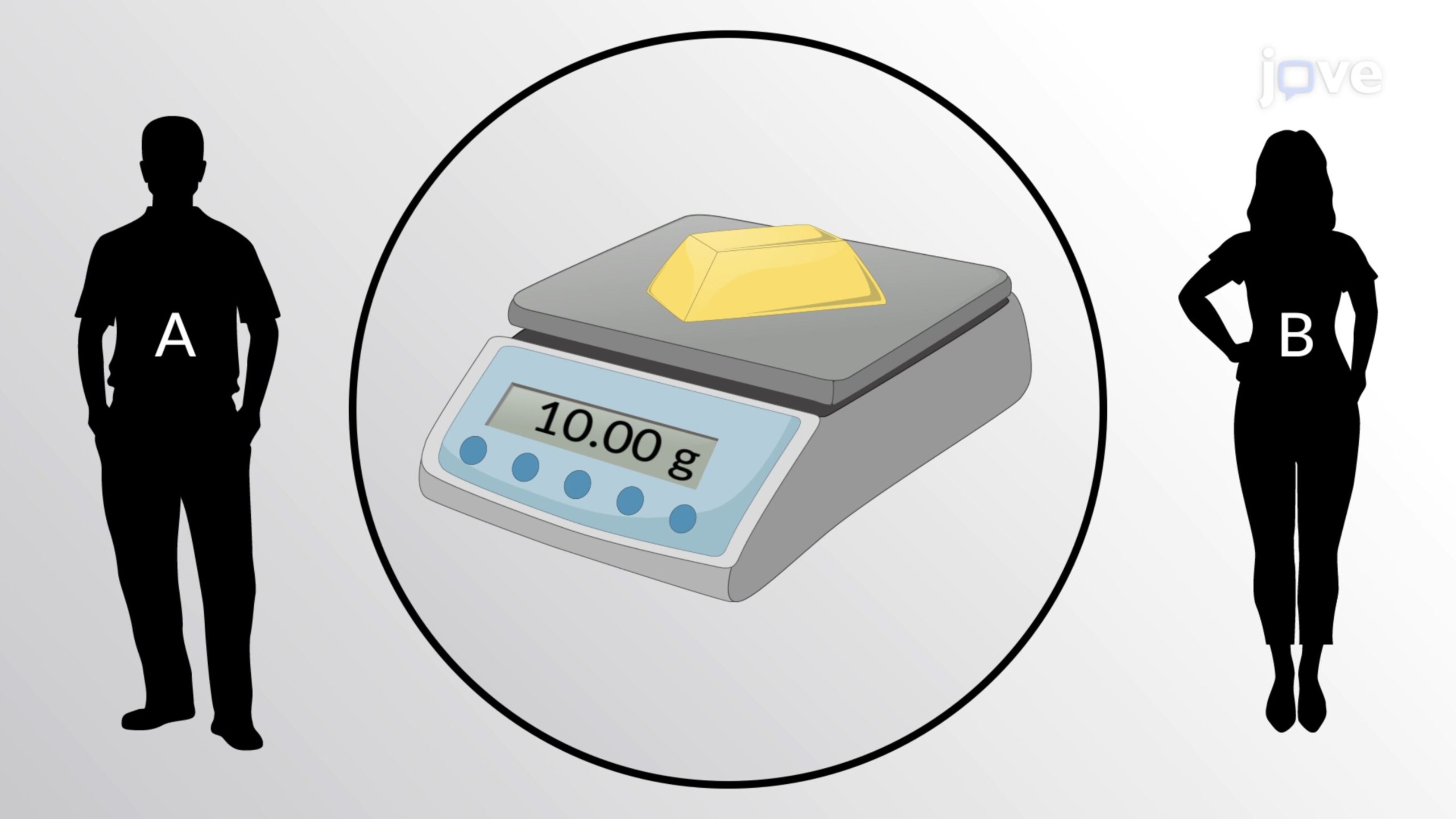
The Importance of Accuracy and Precision in Measurement
Accuracy and precision are two critical factors in the field of measurement. While they are often used interchangeably, they have distinct meanings that play a significant role in obtaining reliable and meaningful data.
Accuracy
Accuracy refers to how close a measured value is to the true value or the target value. In other words, it measures the degree of correctness of a measurement. A high level of accuracy indicates that the measured values are very close to the actual values.
Precision
Precision, on the other hand, relates to how close multiple measurements are to each other when repeated under the same conditions. It assesses the consistency and repeatability of measurements. A high level of precision means that repeated measurements yield similar results.
Importance of Accuracy and Precision
Both accuracy and precision are crucial in various fields such as science, engineering, healthcare, and manufacturing. In scientific research, accurate and precise measurements are essential for drawing valid conclusions and making informed decisions based on data.
In manufacturing processes, accurate measurements ensure that products meet quality standards and specifications. Precision is equally important to maintain consistency in production and reduce wastage.
Challenges in Achieving Accuracy and Precision
Several factors can affect the accuracy and precision of measurements, including equipment calibration, human error, environmental conditions, and sample variability. It is essential to identify and control these factors to improve the reliability of measurements.
Conclusion
In conclusion, accuracy and precision are fundamental principles in measurement that influence the quality and reliability of data. By striving for both accuracy (closeness to true value) and precision (consistency of results), researchers, professionals, and industries can ensure reliable outcomes and make informed decisions based on sound data.
Top 5 Tips for Ensuring Accurate and Precise Measurements
- Always use appropriate measuring tools for the level of precision required.
- Ensure that measuring instruments are calibrated regularly to maintain accuracy.
- Take multiple measurements and calculate the average to improve precision.
- Pay attention to significant figures and decimal places when recording measurements.
- Minimize sources of error by following proper measurement techniques and handling procedures.
Always use appropriate measuring tools for the level of precision required.
When it comes to ensuring accuracy and precision in measurement, a crucial tip to keep in mind is to always use appropriate measuring tools for the level of precision required. Selecting the right tools that match the desired level of accuracy and precision can significantly impact the reliability of measurements. Using tools that are too coarse or inaccurate for the task at hand may lead to errors and inconsistencies in data. By choosing measuring instruments that align with the specific precision needed, professionals can enhance the quality of their results and make informed decisions based on reliable data.
Ensure that measuring instruments are calibrated regularly to maintain accuracy.
To uphold the standards of accuracy and precision in measurement, it is crucial to ensure that measuring instruments undergo regular calibration. Calibration helps maintain the accuracy of the instruments by comparing their measurements to known standards and making necessary adjustments. By calibrating measuring instruments regularly, users can rely on the accuracy of their readings, leading to more reliable data and informed decision-making in various fields such as science, engineering, and manufacturing.
Take multiple measurements and calculate the average to improve precision.
Taking multiple measurements and calculating the average is a valuable tip to enhance precision in measurement. By conducting several measurements and then averaging the results, you can reduce the impact of random errors and improve the consistency of your data. This approach helps to mitigate outliers or anomalies in individual measurements, providing a more reliable and representative value. Ultimately, by incorporating this practice into your measurement process, you can increase the precision of your results and obtain more accurate data for analysis and decision-making.
Pay attention to significant figures and decimal places when recording measurements.
When recording measurements, it is crucial to pay close attention to significant figures and decimal places to ensure accuracy and precision. Significant figures indicate the reliability of a measurement and reflect the precision of the instrument used. By correctly identifying and recording significant figures and decimal places, researchers and professionals can maintain consistency in data representation and avoid errors that could impact the validity of their findings. This attention to detail enhances the quality of measurements and contributes to producing reliable and meaningful results in various fields of study and practice.
Minimize sources of error by following proper measurement techniques and handling procedures.
To enhance accuracy and precision in measurement, it is crucial to minimise sources of error by adhering to proper measurement techniques and handling procedures. By following established protocols and best practices, such as calibrating equipment regularly, maintaining a controlled environment, and handling samples with care, researchers and professionals can reduce variability and improve the reliability of their measurements. Attention to detail in every step of the measurement process is key to achieving accurate and precise results that form the foundation for informed decision-making across various fields.