
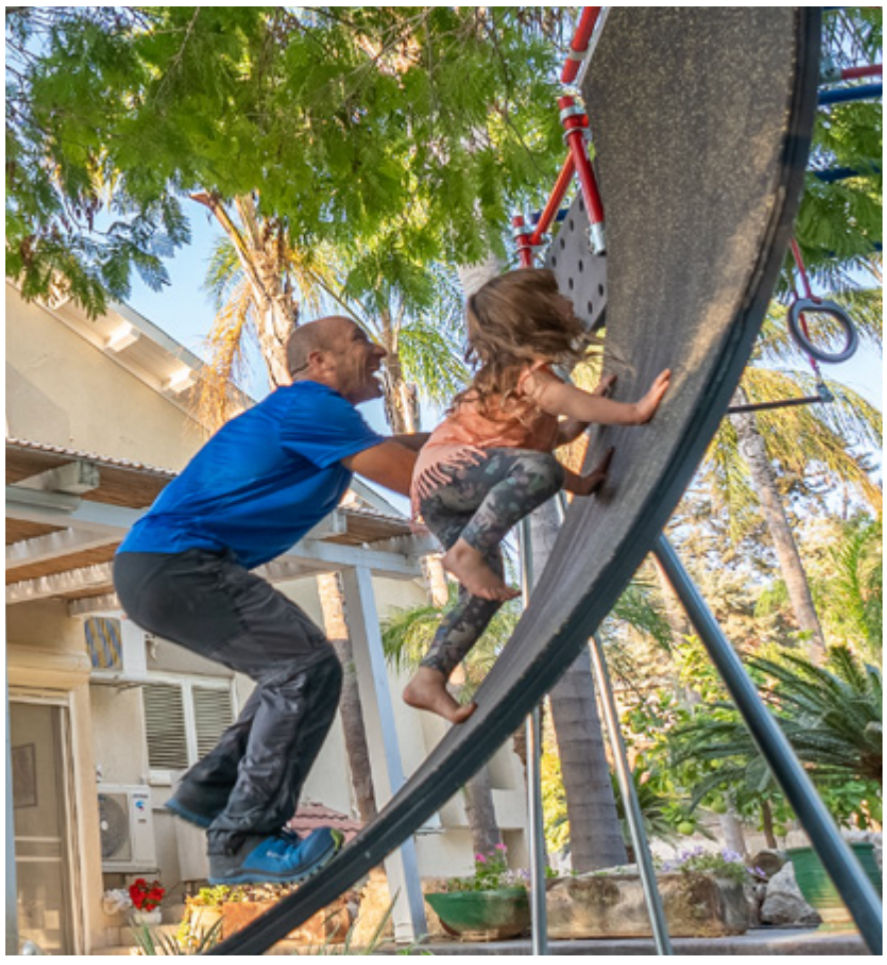
How to Build a Backyard Ninja Obstacle Course
A backyard ninja obstacle course can turn an ordinary garden into an exciting space for climbing, balancing and testing agility. Whether you are planning a simple course for younger children or a more challenging setup for the whole family, the key is to make it fun, adaptable and safe.
Start with a plan
Before buying equipment, look at the space available and decide who will use the course. Measure the garden, check for slopes and low branches, and leave plenty of room around each obstacle. Think about the users’ ages, abilities and experience, too: a course for young children should be different from one designed for confident teenagers or adults.
Sketch a route that moves naturally from one activity to the next. A good course does not need to be large or complicated. A few well-chosen obstacles can provide plenty of variety, especially if they can be rearranged as skills develop.
Choose obstacles for different skills
Ninja-style courses often combine strength, balance, coordination and speed. You could include:
- Stepping stones: Place stable platforms at manageable distances to practise balance and controlled movement.
- A balance beam: A low, secure beam offers a simple challenge that can be made harder by adjusting the route.
- A crawling tunnel: A play tunnel or a purpose-built structure adds a fun change of pace.
- Hanging grips or rings: These can develop grip and upper-body strength, but must be installed and used according to the manufacturer’s instructions.
- A climbing frame or cargo net: Choose equipment suited to the users’ ages and abilities, and make sure it is securely fixed.
- A target or finish line: A simple final challenge, such as tossing a beanbag into a bucket, gives the course a satisfying end.
Vary the movement rather than making every obstacle harder or higher. Balancing, crawling, stepping and reaching provide a more engaging course than a series of similar challenges.
Make safety part of the design
Choose a level area with a clear run-off space around the course. Keep obstacles away from fences, walls, garden furniture, glass and other hazards. Use an appropriate impact-absorbing surface beneath and around equipment where falls are possible, following the equipment maker’s guidance.
Secure every structure properly and check that it is suitable for outdoor use. Do not attach ropes, rings or bars to trees, fences or other supports unless they are designed and approved for that purpose. Avoid improvised equipment that could tip, collapse or trap fingers. If a structure is intended for permanent installation, follow the installation instructions carefully and seek professional help if needed.
Set clear rules: take turns, use one obstacle at a time, and do not push or swing others. Children should be supervised, particularly when using climbing or hanging equipment. Match each challenge to the user’s size and ability, and do not encourage anyone to attempt a move they are not comfortable with.
Keep the course adaptable
Adjustable obstacles help keep the course interesting. Move stepping platforms, change the order of activities or introduce a timer once users know the route. You could create different versions: an easier course for beginners and a more demanding one for experienced users.
For younger children, focus on low, simple challenges and imaginative play. Older children may enjoy practising sequences, setting personal goals or designing a new route. The aim is not just to go faster, but to build confidence and learn new skills at a comfortable pace.
Inspect and maintain equipment
Check the course regularly, and before each session, for loose fixings, splinters, worn ropes, sharp edges, rust and unstable surfaces. Keep the area clear of toys, tools and garden debris. After wet or icy weather, make sure surfaces are dry and equipment remains secure before use. Repair or remove anything damaged.
Build a course that gets used
The best backyard ninja obstacle course is one that suits its users and fits the garden. Start with a few safe, sturdy features, then add or adapt obstacles over time. With thoughtful planning, regular checks and plenty of room for everyone to try at their own pace, a garden course can encourage active play and make every lap a new adventure.
8 Essential Tips for Creating a Safe Backyard Ninja Obstacle Course
- Choose a level, clear space away from fences and walls.
- Use sturdy equipment designed for outdoor use.
- Anchor frames securely before climbing.
- Place soft, impact-absorbing mats beneath obstacles.
- Check ropes, grips and fixings before each session.
- Match obstacles to each participant’s age and ability.
- Space obstacles to allow safe landings and clear routes.
- Supervise children and take breaks when tired.
Choose a level, clear space away from fences and walls.
Choose a level, clear space for your backyard ninja obstacle course, well away from fences, walls and other hazards. Uneven ground can make obstacles unstable and increase the risk of trips, while nearby hard surfaces may cause injury if someone falls. Leave plenty of room around each activity so everyone can move safely, and check the area regularly for stones, toys, branches or other obstacles.
Use sturdy equipment designed for outdoor use.
Choose sturdy equipment that is specifically designed for outdoor use when building a backyard ninja obstacle course. Outdoor-rated materials are better suited to changing weather and regular use, helping equipment stay reliable for longer. Follow the manufacturer’s instructions for installation, weight limits and maintenance, and check regularly for loose fixings, wear or damage.
Anchor frames securely before climbing.
Anchor frames securely before anyone climbs on them. Use the fixings and installation method recommended by the manufacturer, and check that the ground or supporting structure is suitable. A frame that shifts, tips or comes loose can cause serious injury, so inspect its anchors regularly and stop using it if anything feels unstable.
Place soft, impact-absorbing mats beneath obstacles.
Place soft, impact-absorbing mats beneath obstacles where a fall is possible, particularly under climbing, balancing or hanging equipment. Choose mats designed for outdoor use, position them securely and check that they cover the likely landing area without creating trip hazards. Mats can help cushion slips and falls, but they do not remove the need for sturdy equipment, suitable obstacle heights and close supervision.
Check ropes, grips and fixings before each session.
Before each session on your backyard ninja obstacle course, check ropes, grips and fixings for wear, fraying, cracks or looseness. Make sure everything is securely attached and suitable for use, and remove or repair any damaged equipment before anyone climbs or swings on it.
Match obstacles to each participant’s age and ability.
Match every obstacle to the age, size and ability of the people using your backyard ninja course. Younger children and beginners will benefit from low, simple challenges, while older or more experienced participants may enjoy obstacles that demand greater balance, strength or coordination. Build up difficulty gradually, and make sure everyone can skip an obstacle or try an easier option so the course stays enjoyable, confidence-building and safe for all.
Space obstacles to allow safe landings and clear routes.
Leave enough space between obstacles for users to land safely, regain their balance and prepare for the next challenge. Keep routes clear of garden furniture, fences, trees and other hazards, and make sure there is ample room around each obstacle in case someone misses a step or loses their footing.
Supervise children and take breaks when tired.
Supervise children throughout the course, especially when they are climbing, swinging or attempting unfamiliar obstacles. Encourage them to take regular breaks and stop whenever they feel tired: fatigue can affect balance, coordination and judgement, increasing the risk of a fall. Keep water nearby and let children return to the course only when they feel rested and ready.