
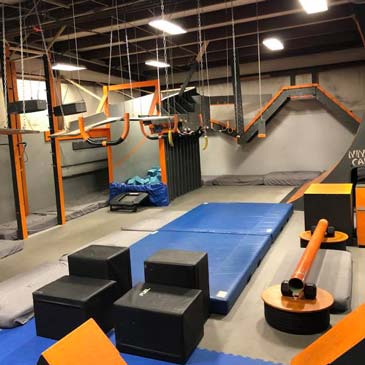
How to Create a Basement Obstacle Course
A basement can be an ideal place for an indoor obstacle course. It offers a sheltered space for active play, exercise or a family challenge, whatever the weather. With a little planning, everyday items can become engaging obstacles without taking over the whole room.
Plan the space first
Before setting up a course, measure the available floor area and check for low ceilings, support posts, stairs and storage. Leave clear routes to exits and make sure the course does not block access to utilities, fuse boxes or essential equipment. A simple loop around the room is often easier to supervise than a route with blind corners.
Take a look at the floor, too. If it is hard or slippery, use non-slip mats in areas where participants may be stepping, crawling or landing. Avoid placing obstacles near exposed pipes, sharp edges or heavy furniture that could tip over.
Choose simple, suitable obstacles
An obstacle course does not need specialist equipment. Try arranging a selection of low-risk challenges, such as:
- Stepping stones: Place flat, non-slip cushions or foam pads a comfortable distance apart.
- Crawling tunnel: Use a purpose-made play tunnel, or create a short route beneath a sturdy table with plenty of headroom.
- Target toss: Throw soft balls or rolled-up socks into a laundry basket.
- Balance line: Follow a strip of masking tape laid flat on the floor.
- Slalom course: Weave around lightweight cones or plastic bottles that cannot cause injury if knocked over.
- Movement challenge: Add a few star jumps, stretches or animal walks at a clear, uncluttered station.
Keep the obstacles stable and low. Do not use stacked boxes, chairs, furniture or other items that could collapse, slide or topple. Avoid ropes stretched across the route, high jumps and anything that encourages participants to climb on shelves or storage units.
Make it fun for everyone
Adapt the course to suit the ages, abilities and confidence levels of the people taking part. Younger children may enjoy a short route with clear instructions, while older participants might prefer timed rounds, a memory challenge or a points system. Offer easier alternatives, and make it clear that completing the course safely matters more than finishing quickly.
For a themed course, participants could pretend to be explorers navigating a jungle, astronauts crossing the moon or secret agents moving through a training mission. Simple signs, a homemade scorecard or a playlist can help bring the theme to life without adding clutter.
Put safety at the centre
Check the course before each session. Secure mats, remove trip hazards and make sure there is enough room to move between obstacles. Keep food, drinks, electrical cables and breakable items away from the route. Children should be supervised by a responsible adult, particularly around stairs, exercise equipment or areas with low ceilings.
Encourage participants to take turns rather than race through a crowded course. Stop if anyone feels unwell, becomes tired or finds an obstacle uncomfortable. If the basement has limited ventilation, keep sessions short and ensure the room is comfortable and well ventilated.
Change the course regularly
Once the basic layout works, switch the order of the stations or introduce a new challenge. You could set a quiet round where everyone moves slowly and carefully, or create a team version where participants take turns completing different sections. Rotating the activities keeps the course interesting while making good use of a small space.
A basement obstacle course can be an enjoyable way to get moving indoors. Start with a clear route, choose simple equipment and adjust the challenges to fit the space and the people using it. The best course is one that feels playful, manageable and safe.
Essential Guide to Creating a Fun and Safe Basement Obstacle Course: FAQs Answered
- How do I set up a basement obstacle course?
- What obstacles can I make with household items?
- How much space do I need for a basement obstacle course?
- How can I make a basement obstacle course safe for children?
- What flooring is best for a basement obstacle course?
- How can I adapt a basement obstacle course for different ages and abilities?
- What are some fun themes for a basement obstacle course?
- How can I make a basement obstacle course more challenging?
- How do I keep a basement obstacle course interesting over time?
How do I set up a basement obstacle course?
To set up a basement obstacle course, first clear and measure the space, checking for low ceilings, stairs, support posts and other hazards. Plan a simple route with plenty of room between stations, then use safe, stable items such as non-slip mats, soft cushions, lightweight cones and a laundry basket as targets. Keep obstacles low, avoid anything that could tip or cause trips, and make sure exits and utility areas remain accessible. Test the course before use, adapt it to participants’ ages and abilities, and supervise children throughout.
What obstacles can I make with household items?
You can create plenty of simple obstacles with household items: lay cushions or folded towels on the floor as stepping stones, use a sturdy table as a crawl-under tunnel, weave around lightweight plastic bottles, or toss rolled-up socks into a laundry basket as a target challenge. A strip of masking tape can make a balance line, while pillows can mark a route to follow. Choose soft, stable items, keep obstacles low, and avoid anything sharp, breakable or likely to tip over.
How much space do I need for a basement obstacle course?
You don’t need a large basement to set up an obstacle course: a clear area of around 2 × 3 metres can be enough for a short route with simple challenges, while more space allows for extra stations and wider turns. Measure the area first, keep the course away from stairs, low ceilings, support posts and stored items, and leave a clear route to the exit. Choose obstacles to suit the space, making sure there’s room to move safely between them.
How can I make a basement obstacle course safe for children?
To make a basement obstacle course safe for children, clear the area of clutter and check for hazards such as low ceilings, sharp edges, slippery floors and exposed cables. Use stable, low obstacles and soft, non-slip mats, and avoid anything that could tip over or encourage climbing. Keep the route away from stairs, windows, utility equipment and heavy furniture, and leave clear access to exits. Match each challenge to the children’s ages and abilities, explain the rules before they begin, and supervise them throughout. Check the course before every session and make safety more important than speed.
What flooring is best for a basement obstacle course?
For a basement obstacle course, choose flooring that offers good grip, cushioning and moisture resistance. Interlocking rubber or foam tiles can provide a softer surface for crawling and light movement, while non-slip rubber flooring is durable and easy to clean. Check that the floor beneath is dry and level, secure any loose edges, and avoid thick or unstable mats that could shift or create trip hazards. For jumps or energetic activity, use appropriate impact-absorbing mats and keep the course clear of hard obstacles.
How can I adapt a basement obstacle course for different ages and abilities?
Adapt a basement obstacle course by adjusting the height, distance and difficulty of each obstacle to suit the people taking part. For younger children, use a short, simple route with soft, stable equipment and clear instructions; older children and adults may enjoy extra stations, balance challenges or timed rounds. Offer seated or low-impact alternatives, allow more time, and make sure routes are wide and easy to navigate for anyone with mobility needs. Let participants choose easier options or skip an obstacle, and prioritise supervision and safe movement over speed or competition.
What are some fun themes for a basement obstacle course?
Fun themes can turn a basement obstacle course into an imaginative adventure. Try a jungle expedition, with cushions as stepping stones and a tunnel through the undergrowth; a space mission, with “moon rocks” to navigate and soft-ball “asteroids” to dodge; or a secret-agent challenge featuring a floor-level masking-tape “laser maze”. A pirate treasure hunt, superhero training camp or animal safari can work well, too. Use simple props and clear, age-appropriate challenges, keeping the route uncluttered and safe.
How can I make a basement obstacle course more challenging?
To make a basement obstacle course more challenging, add a sequence to remember, introduce gentle time limits or award points for completing each station accurately. You could vary the movements with balance steps, crawling, target throws or simple puzzles, and adjust the spacing or number of repetitions to suit participants’ abilities. Keep obstacles low and stable, leave plenty of clear space, and avoid speeding up challenges that involve climbing, jumping or slippery surfaces.
How do I keep a basement obstacle course interesting over time?
Keep a basement obstacle course interesting by changing the route and activities regularly. Swap the order of obstacles, add a new low-risk challenge or introduce a theme, such as a jungle expedition or space mission. You could also set different goals, like completing the course carefully, following a sequence from memory or working together as a team. Adapt the challenges to suit participants’ ages and abilities, and prioritise safe play over speed.