
The Importance of Accuracy and Precision in Measuring Instruments
Accuracy and precision are crucial aspects when it comes to measuring instruments. While the terms are often used interchangeably, they have distinct meanings that play a significant role in various fields such as science, engineering, healthcare, and manufacturing.
Accuracy
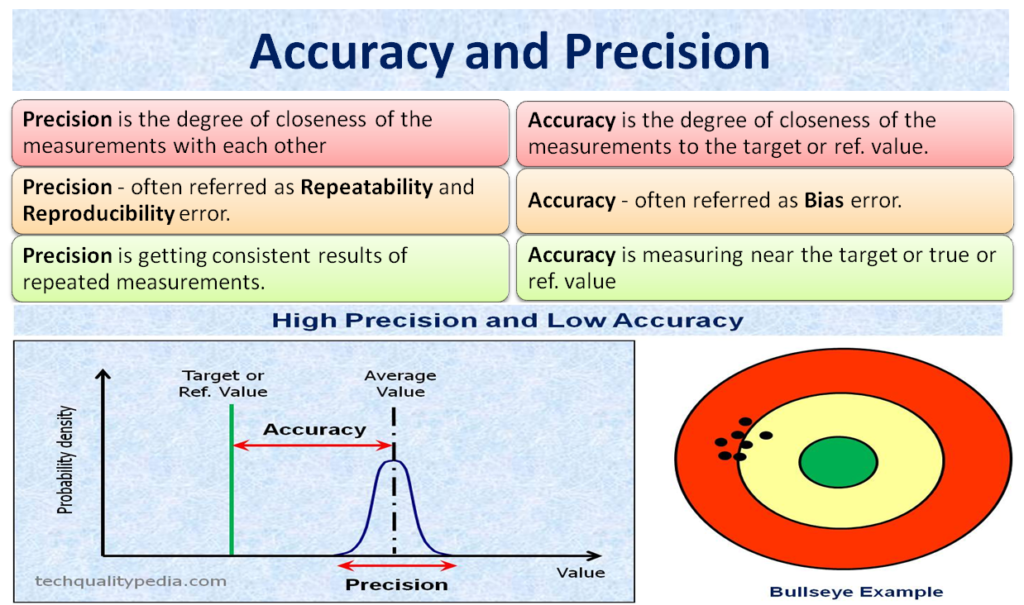
Accuracy refers to how close a measured value is to the true value of what is being measured. In other words, it indicates the degree of correctness of a measurement. An accurate measuring instrument provides results that are close to the actual or accepted value.
For instance, in medical diagnostics, accurate measurements are essential for determining the correct dosage of medication or identifying health conditions accurately. In engineering and construction, accurate measurements ensure that structures are built to precise specifications, reducing the risk of errors and potential safety hazards.
Precision
Precision relates to the consistency or repeatability of measurements. A precise measuring instrument produces similar results when multiple measurements are taken under the same conditions. Precision is about the level of detail or resolution in measurement.
In scientific research, precision is vital for obtaining reliable data and drawing accurate conclusions. Manufacturing processes rely on precision instruments to ensure that products meet quality standards consistently. Precise measurements also help in monitoring changes over time or detecting small variations in a system.
Importance of Both Accuracy and Precision
While accuracy and precision are distinct concepts, they complement each other in achieving reliable measurement results. An ideal measuring instrument should be both accurate and precise to provide trustworthy data for decision-making, analysis, and problem-solving.
Without accuracy, measurements may lead to incorrect interpretations or decisions based on flawed data. Lack of precision can result in inconsistent outcomes that make it challenging to identify patterns or monitor changes effectively.
Conclusion
In conclusion, accuracy and precision are fundamental attributes of measuring instruments that impact various aspects of our lives. Whether it’s ensuring patient safety in healthcare, maintaining quality standards in manufacturing, or advancing scientific discoveries, the reliability of measurement tools is paramount.
By understanding the importance of accuracy and precision and using appropriate measuring instruments tailored to specific needs, we can enhance efficiency, productivity, and overall success across diverse industries.
8 Essential Tips for Ensuring Accuracy and Precision in Measuring Instruments
- Regularly calibrate measuring instruments to ensure accuracy.
- Handle measuring instruments with care to maintain precision.
- Use the appropriate measuring instrument for the specific task at hand.
- Avoid exposing measuring instruments to extreme temperatures or conditions.
- Keep measuring instruments clean and free from debris that could affect measurements.
- Train personnel on proper usage of measuring instruments to reduce human errors.
- Store measuring instruments properly when not in use to prevent damage or misalignment.
- Periodically check for wear and tear on measuring instruments and replace parts as needed.
Regularly calibrate measuring instruments to ensure accuracy.
It is essential to regularly calibrate measuring instruments to maintain accuracy and precision in measurements. Calibration helps verify the reliability of the instrument by comparing its readings to known standards. By ensuring that measuring instruments are calibrated at scheduled intervals, users can trust the accuracy of the data obtained and make informed decisions based on reliable information. Regular calibration not only enhances the quality of measurements but also prolongs the lifespan of the instruments, contributing to efficient and effective operations in various fields.
Handle measuring instruments with care to maintain precision.
Handling measuring instruments with care is essential to maintain their precision. Proper handling, storage, and regular calibration can significantly impact the accuracy and reliability of measurements. By treating measuring instruments with care and following manufacturer guidelines, you can ensure that they continue to provide precise results over time. Preventing damage or misuse through careful handling not only prolongs the lifespan of the instruments but also upholds their integrity in delivering accurate data for various applications.
Use the appropriate measuring instrument for the specific task at hand.
To achieve optimal accuracy and precision in measurements, it is essential to use the appropriate measuring instrument for the specific task at hand. Selecting the right tool tailored to the requirements of the measurement ensures that results are reliable and consistent. By matching the measuring instrument to the characteristics of the object or phenomenon being measured, errors and inaccuracies can be minimised, leading to more precise data interpretation and informed decision-making. Choosing the correct measuring instrument not only enhances the quality of measurements but also streamlines processes and improves overall efficiency in various fields where precision is paramount.
Avoid exposing measuring instruments to extreme temperatures or conditions.
To maintain the accuracy and precision of measuring instruments, it is crucial to avoid exposing them to extreme temperatures or conditions. Fluctuations in temperature can affect the calibration and performance of measuring devices, leading to inaccurate readings. Extreme heat or cold can cause materials to expand or contract, impacting the internal components of the instrument. By protecting measuring instruments from harsh environments and ensuring they are stored correctly within recommended temperature ranges, users can preserve their reliability and consistency in measurement results.
Keep measuring instruments clean and free from debris that could affect measurements.
To maintain the accuracy and precision of measuring instruments, it is crucial to keep them clean and free from any debris that could potentially impact measurements. Dust, dirt, or other contaminants can interfere with the instrument’s functionality, leading to inaccurate readings. Regular cleaning and proper maintenance not only ensure reliable results but also prolong the lifespan of the equipment. By prioritising cleanliness and preventing debris buildup, users can trust that their measuring instruments will consistently deliver precise measurements for optimal performance and data integrity.
Train personnel on proper usage of measuring instruments to reduce human errors.
Training personnel on the correct usage of measuring instruments is a crucial step in enhancing accuracy and precision while minimising human errors. By providing comprehensive training, employees can develop the necessary skills and knowledge to handle measuring instruments effectively, ensuring that measurements are taken correctly and consistently. This proactive approach not only improves the reliability of data but also promotes a culture of quality and excellence within the organisation. Investing in training for personnel demonstrates a commitment to accuracy and precision, ultimately leading to improved efficiency and better outcomes in various fields where precise measurements are essential.
Store measuring instruments properly when not in use to prevent damage or misalignment.
It is essential to store measuring instruments properly when not in use to maintain their accuracy and precision. Improper storage can lead to damage or misalignment of the instruments, affecting their performance and reliability. By storing measuring instruments in a secure and suitable environment, such as protective cases or designated storage areas, you can prolong their lifespan and ensure consistent and accurate measurements when needed. Taking care of your measuring tools demonstrates a commitment to quality and attention to detail in your work processes.
Periodically check for wear and tear on measuring instruments and replace parts as needed.
Periodically checking for wear and tear on measuring instruments and promptly replacing any damaged parts is a crucial tip to maintain the accuracy and precision of measurements. Over time, components of measuring instruments can degrade or become faulty, affecting the reliability of results. By proactively inspecting and replacing worn-out parts as needed, users can ensure that their instruments continue to provide accurate and precise measurements, contributing to the overall quality and effectiveness of their work.
Hello There. I found your weblog the usage of msn. This is
a really neatly written article. I will make sure to bookmark it
and return to learn extra of your useful information. Thank you
for the post. I’ll definitely return.