
CNC Precision Manufacturing Inc.: The Role of Precision in Modern Manufacturing
CNC precision manufacturing is central to the production of components that must meet exact dimensions, perform reliably and fit consistently into larger assemblies. CNC Precision Manufacturing Inc. is a name that reflects this specialised field, where computer-controlled machinery and careful process management help turn engineering designs into finished parts.
What is CNC precision manufacturing?
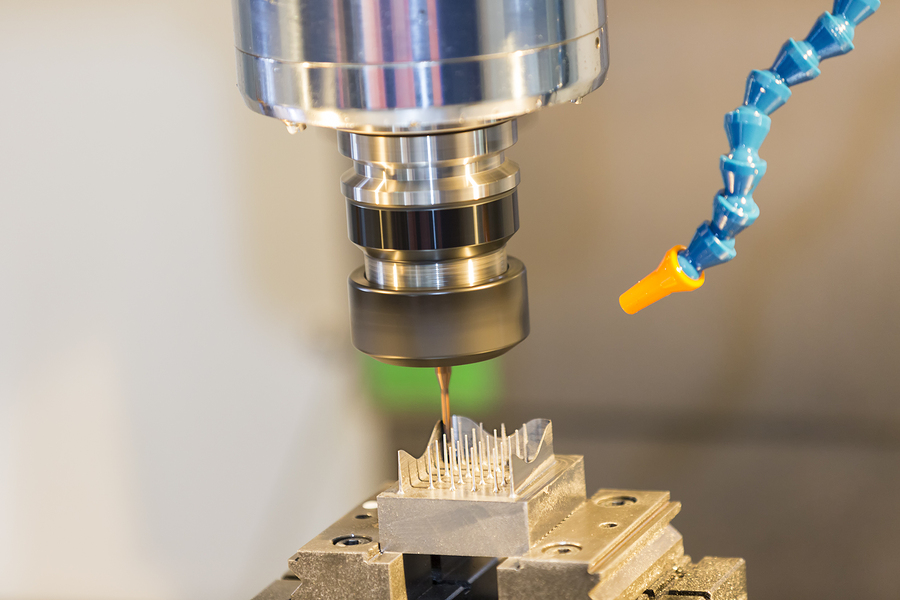
CNC stands for computer numerical control. In CNC machining, digital instructions guide tools such as mills, lathes and routers as they cut or shape materials. The process can produce intricate features and repeat the same operation across multiple parts with a high degree of consistency.
Precision manufacturing involves more than operating machinery. It typically includes interpreting technical drawings, selecting suitable materials and tooling, setting up equipment, monitoring production and checking finished components against specified requirements.
From design to finished component
A typical CNC manufacturing project begins with a design or engineering drawing. The requirements are translated into machine instructions, and the workpiece is secured and prepared for machining. Depending on the part, production may involve milling, turning, drilling or several operations in sequence.
Inspection is an important part of the process. Measurements and checks help confirm that dimensions, tolerances and surface finishes meet the agreed specification. For customers, clear communication about drawings, materials, quantities and quality requirements can help prevent delays and reduce the risk of costly rework.
Why precision matters
Components that are out of tolerance may be difficult to assemble, perform poorly or fail prematurely. Consistent machining can help manufacturers maintain product quality, manage repeat orders and make efficient use of materials. These considerations are especially important in applications where parts must fit closely or operate under demanding conditions.
CNC machining is used across a broad range of sectors, including engineering, transport, electronics and industrial equipment. The suitability of any supplier for a particular project depends on factors such as its machinery, materials expertise, inspection capabilities, production capacity and experience with the required specifications.
Choosing a manufacturing partner
When assessing CNC Precision Manufacturing Inc. or any machining supplier, customers should confirm the services offered directly with the company. Useful questions include:
- Which machining processes and materials are available?
- What part sizes, tolerances and production volumes can be accommodated?
- How are components inspected and quality records maintained?
- Can the supplier support prototypes as well as repeat production?
- What are the expected lead times, delivery arrangements and quotation requirements?
Providing complete drawings, revision information and acceptance criteria can make it easier for a manufacturer to assess a project accurately. For complex or safety-critical components, customers may also wish to discuss applicable quality standards and documentation before placing an order.
Conclusion
CNC precision manufacturing combines digital design, skilled process planning and accurate machining to produce components for modern industry. The value of a manufacturing company lies not only in the equipment it uses, but also in its ability to understand requirements, maintain consistent quality and communicate clearly throughout a project. Customers considering CNC Precision Manufacturing Inc. should verify its current capabilities and quality processes against their specific needs.
6 Tips for Working with CNC Precision Manufacturing Inc.
- Check CNC Precision Manufacturing Inc.’s certifications and quality controls.
- Share clear drawings, tolerances and material specifications.
- Ask about machining capabilities and production capacity.
- Request a quote that includes tooling, finishing and delivery.
- Agree inspection and measurement requirements before production.
- Confirm lead times, packaging and shipping arrangements.
Check CNC Precision Manufacturing Inc.’s certifications and quality controls.
Before choosing CNC Precision Manufacturing Inc., check which certifications it currently holds and whether they apply to the services you need. Ask about its quality-control procedures, including how parts are inspected, how measuring equipment is maintained and how non-conforming components are handled. Reviewing relevant documentation and discussing your tolerances and traceability requirements can help you assess whether the company’s processes are a good fit for your project.
Share clear drawings, tolerances and material specifications.
When working with CNC Precision Manufacturing Inc., share clear, up-to-date drawings along with precise tolerances and material specifications. This gives the manufacturing team the information needed to assess the job, choose suitable processes and produce components that meet your requirements. Include details such as drawing revisions, surface finishes and any critical features to help avoid misunderstandings, delays and unnecessary rework.
Ask about machining capabilities and production capacity.
When considering CNC Precision Manufacturing Inc., ask about its machining capabilities and production capacity to ensure they match your project’s requirements. Find out which processes and materials it supports, the part sizes and tolerances it can handle, and whether it can accommodate both prototypes and larger production runs. Clarifying typical lead times and available capacity upfront can help you assess whether the company is suited to your schedule and future demand.
Request a quote that includes tooling, finishing and delivery.
When requesting a quote from CNC Precision Manufacturing Inc., ask for a clear breakdown that covers tooling, finishing and delivery as well as the machining itself. Tooling charges may include custom fixtures or specialised cutters, while finishing can involve processes such as deburring, coating or polishing. Confirming these costs and delivery arrangements upfront makes it easier to compare quotes, plan your budget and avoid unexpected charges later.
Agree inspection and measurement requirements before production.
Agreeing inspection and measurement requirements before production helps ensure that everyone shares the same understanding of what an acceptable part looks like. Confirm the critical dimensions, tolerances, measurement methods and any required inspection records in advance, so the manufacturer can plan suitable checks and equipment. This can reduce misunderstandings, avoid costly rework and make it easier to verify that finished components meet your specifications.
Confirm lead times, packaging and shipping arrangements.
Before placing an order with CNC Precision Manufacturing Inc., confirm the expected lead time and check how it may be affected by production schedules, material availability or design changes. Agree packaging requirements to protect components from damage, moisture or contamination, particularly if parts have delicate finishes or tight tolerances. It is also worth clarifying shipping methods, delivery costs, tracking, insurance and who is responsible for arranging collection, so there are no surprises when the finished parts are ready.