
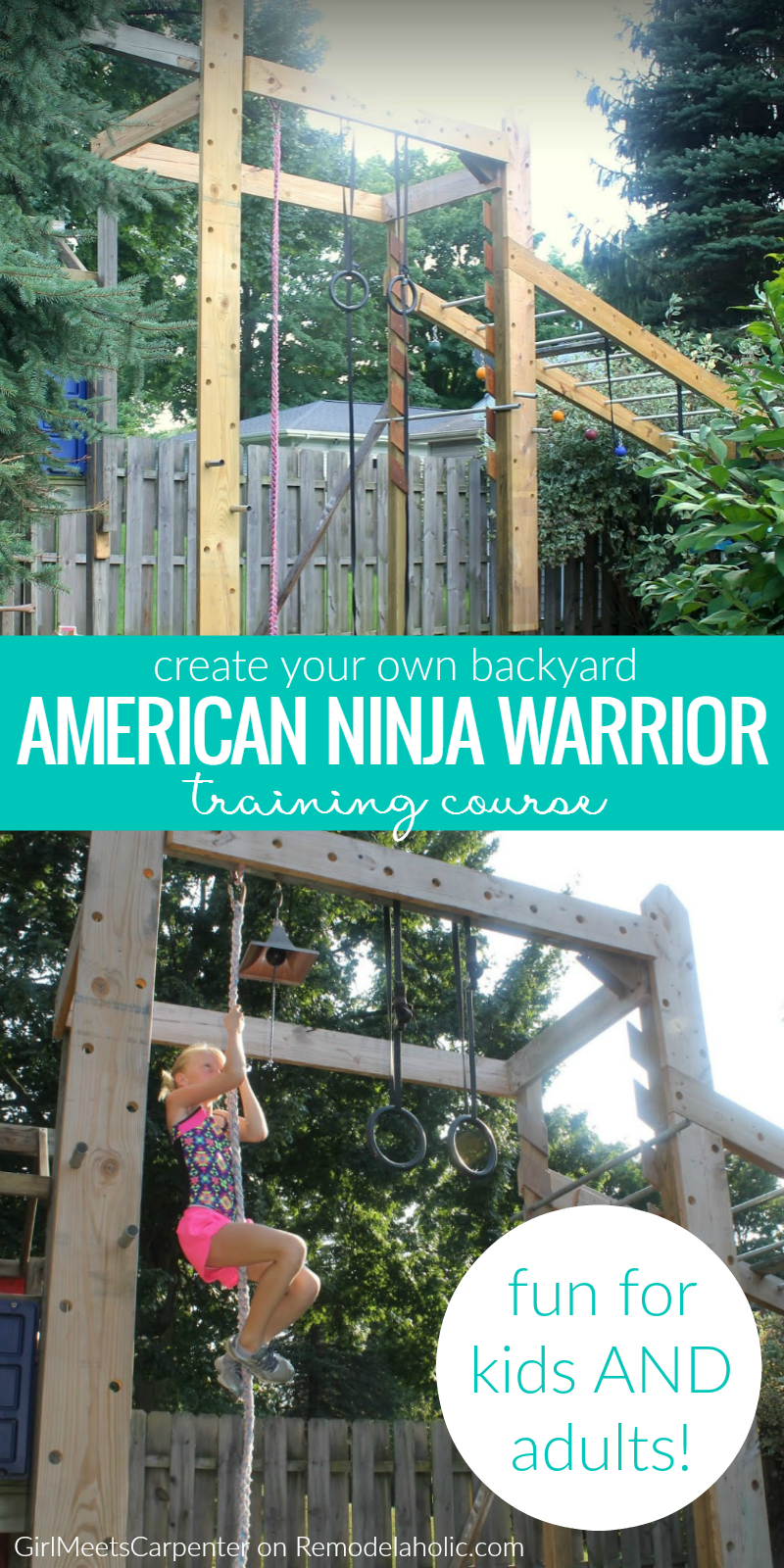
How to Build a Backyard Ninja Warrior Course
A backyard ninja warrior course can turn an ordinary garden into an exciting place to climb, balance, swing and test your skills. Whether you are creating a simple obstacle route for children or a more challenging course for the whole family, thoughtful planning can make it fun, adaptable and safer to use.
Plan your space
Start by measuring the available area and checking the ground. Choose a level spot with enough room around each obstacle, and keep the course clear of fences, walls, garden furniture and other hazards. Think about how people will move between obstacles: a clear route helps prevent collisions and makes the course easier to enjoy.
It is often best to begin with a short course. You can add obstacles as you learn what works in your garden and what suits the people using it. If you are installing fixed equipment, check the manufacturer’s instructions and any relevant local requirements before you begin.
Choose obstacles for different skills
A good course offers variety rather than relying on one difficult challenge. Try combining obstacles that test balance, coordination, grip and agility. For example:
- Stepping stones: Use stable, low platforms to practise balance and controlled movement.
- Balance beam: A low, securely supported beam can be a simple introduction to balancing.
- Hurdles: Foam blocks or other soft, lightweight barriers can add a jumping challenge.
- Crawl-through tunnel: A play tunnel adds variety and is suitable for younger participants.
- Rope or ring station: Swinging obstacles can be exciting, but they need suitable, secure equipment and plenty of clear space.
- Target toss: Add a throwing challenge to give arms and legs a rest between physical obstacles.
For younger children, keep obstacles low and straightforward. Older children and adults may enjoy more demanding activities, but difficulty should increase gradually. A challenging course does not need to be high or risky: timing, balance and careful footwork can make ground-level obstacles engaging too.
Make safety part of the design
Safety should guide every decision. Use equipment designed for its intended purpose, follow the manufacturer’s installation and age guidance, and check that all fixings are secure. Avoid improvised climbing structures, unstable furniture and obstacles that could tip or break under weight.
Place suitable impact-absorbing surfacing beneath and around equipment where needed. Grass may feel soft, but it can become hard, slippery or uneven, so do not assume it will provide adequate protection for every obstacle. Keep the landing area clear, and position equipment so that a fall from one challenge is unlikely to send someone into another.
Inspect the course before each session. Look for loose bolts, worn ropes, splinters, sharp edges, wet surfaces and changes to the ground. Supervise children, set clear rules, and make sure everyone takes turns rather than crowding an obstacle. A warm-up and suitable footwear can also help participants prepare.
Make it fun for everyone
Not every participant will have the same strength, confidence or ability. Offer easier and harder ways to complete each section, and let people skip an obstacle if they prefer. You could time a run, create a points system or invite participants to design a new challenge using safe, suitable equipment.
It is also worth including rest points and water breaks, particularly on warm days. The best backyard course is one that people can enjoy at their own pace—not simply the one with the most obstacles.
Keep improving your course
After a few sessions, ask what participants enjoyed and which parts were too easy or difficult. Rearranging portable obstacles can make the course feel new without requiring a major rebuild. Keep a simple route for beginners and introduce optional challenges for those who want to progress.
With careful planning, appropriate equipment and regular checks, a backyard ninja warrior course can encourage active play, confidence and friendly competition. Start small, prioritise safety and adapt the challenges to suit the people using your garden.
Top 5 FAQs About Creating a Backyard Ninja Warrior Course
- How much space do I need for a backyard ninja warrior course?
- What obstacles can I include in a backyard ninja warrior course?
- How can I make a backyard ninja warrior course safe for children?
- Can I build a backyard ninja warrior course on a budget?
- What equipment and materials do I need to build a backyard ninja warrior course?
How much space do I need for a backyard ninja warrior course?
The space you need depends on the number and type of obstacles, but even a modest garden can accommodate a simple course. Allow enough room for each challenge, a clear route between obstacles and a safe landing area around equipment; avoid placing obstacles near fences, walls or other hazards. Measure your available space before choosing equipment, and follow the manufacturer’s guidance on spacing and safety zones. If space is limited, opt for a compact, modular layout that can be rearranged or stored away.
What obstacles can I include in a backyard ninja warrior course?
You can include a variety of obstacles to test balance, agility, strength and coordination, such as stepping stones, a low balance beam, soft hurdles, a crawl-through tunnel, a climbing net, monkey bars or hanging rings. Choose equipment that suits the ages and abilities of the people using the course, and leave plenty of clear space between obstacles. Make sure everything is sturdy, securely installed and used according to the manufacturer’s guidance.
How can I make a backyard ninja warrior course safe for children?
To make a backyard ninja warrior course safer for children, choose age-appropriate obstacles and keep them low, with plenty of clear space between each challenge. Secure equipment according to the manufacturer’s instructions, use suitable impact-absorbing surfacing where falls are possible, and avoid unstable or improvised structures. Check the course before every session for loose fixings, damage, slippery surfaces and other hazards, and supervise children while they play. Set clear rules, encourage children to take turns, and make sure they can skip any obstacle they find too difficult.
Can I build a backyard ninja warrior course on a budget?
Yes, you can build a backyard ninja warrior course on a budget by starting small and using simple, sturdy obstacles such as ground-level stepping stones, a balance beam or a crawl-through tunnel. Repurpose suitable materials you already own, and add more challenges over time rather than buying a complete set at once. Avoid makeshift equipment for climbing or swinging, and never compromise on secure installation, suitable landing surfaces or regular safety checks.
What equipment and materials do I need to build a backyard ninja warrior course?
To build a backyard ninja warrior course, you’ll need a clear, level space and a selection of obstacles suited to the ages and abilities of the people using it. Popular options include balance beams, stepping platforms, hurdles, crawl tunnels, climbing frames, ropes or rings, and soft targets for throwing challenges. Choose sturdy, weather-resistant equipment designed for its intended use, and follow the manufacturer’s guidance when installing it. You may also need suitable impact-absorbing surfacing, such as approved safety matting, beneath and around higher or more demanding obstacles. Avoid unstable homemade structures, and check all fixings, surfaces and equipment regularly for wear or damage.