
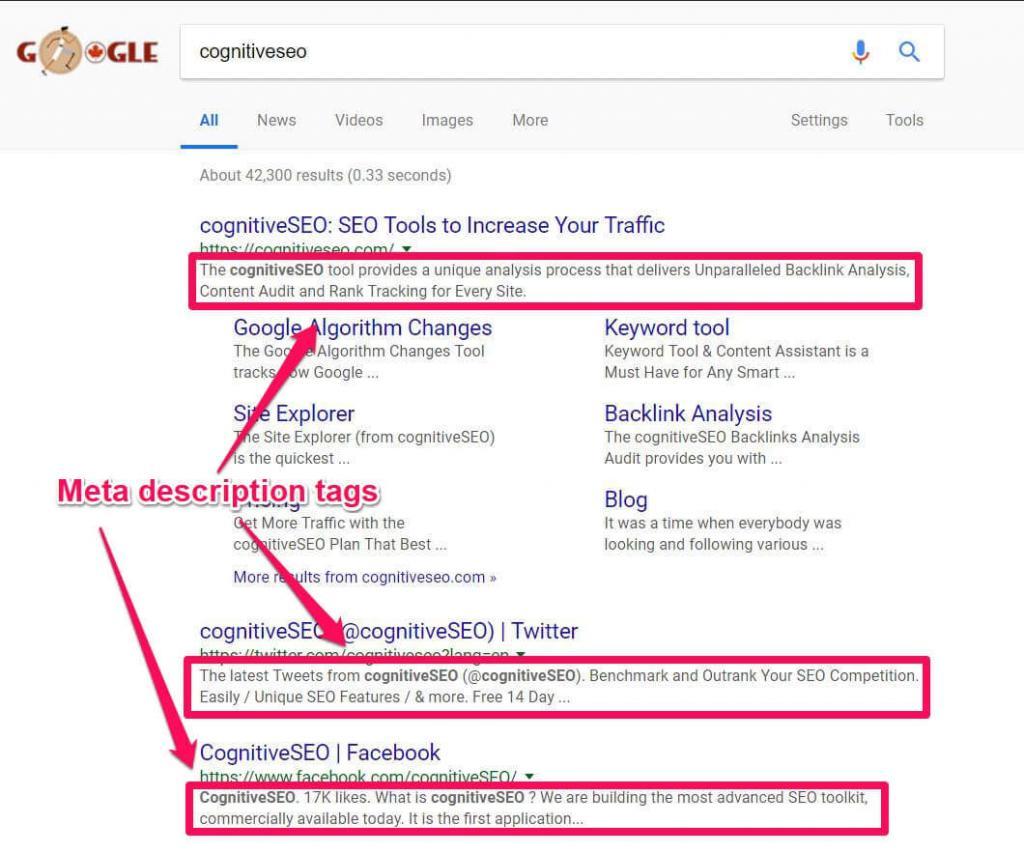
The Importance of Meta Description Analysis in SEO
Meta descriptions play a crucial role in search engine optimization (SEO) by providing a concise summary of a web page’s content. Analyzing and optimizing meta descriptions can significantly impact a website’s visibility and click-through rates.
What is Meta Description Analysis?
Meta description analysis involves evaluating the quality, relevance, and effectiveness of the meta descriptions used on a website. This process includes assessing the length, keyword usage, uniqueness, and overall appeal of the meta description.
Benefits of Meta Description Analysis
By conducting meta description analysis, website owners can:
- Improve Click-Through Rates: Compelling meta descriptions attract users’ attention and encourage them to click on the search result.
- Enhance Search Engine Visibility: Well-crafted meta descriptions containing relevant keywords can improve a website’s ranking in search engine results pages (SERPs).
- Increase User Engagement: Clear and informative meta descriptions help users understand the content of a webpage before clicking through, leading to higher engagement.
- Boost Website Traffic: Optimized meta descriptions can drive more organic traffic to a website by enticing users to visit the site.
Tips for Effective Meta Description Analysis
To make the most of meta description analysis, consider the following tips:
- Keep it Concise: Aim for a meta description length of around 150-160 characters to ensure it displays properly in search results.
- Use Relevant Keywords: Incorporate targeted keywords naturally within the meta description to improve its SEO value.
- Create Unique Descriptions: Avoid duplicating meta descriptions across multiple pages to provide users with distinct information for each page.
In Conclusion
Meta description analysis is an essential component of SEO strategy that can have a significant impact on a website’s performance in search results. By carefully crafting and analysing meta descriptions, website owners can enhance their online visibility, attract more visitors, and ultimately achieve their digital marketing goals.
9 Essential Tips for Effective Meta Description Analysis
- Ensure meta descriptions are between 150-160 characters long.
- Include relevant keywords in the meta description.
- Make sure the meta description accurately summarizes the content of the page.
- Avoid duplicate meta descriptions across different pages.
- Use action-oriented language to encourage clicks.
- Consider including a call-to-action in the meta description.
- Avoid misleading or clickbait meta descriptions.
- Check for spelling and grammar errors in the meta description.
- Regularly review and update meta descriptions for relevance and effectiveness.
Ensure meta descriptions are between 150-160 characters long.
It is crucial to ensure that meta descriptions fall within the optimal length range of 150-160 characters. By keeping meta descriptions concise and within this character limit, website owners can effectively convey a clear and compelling summary of their content to users in search engine results. This length restriction ensures that the meta description is displayed in its entirety, maximising its impact on click-through rates and improving the overall user experience. Adhering to this guideline helps to maintain a balance between providing sufficient information and enticing users to click through to the webpage, ultimately contributing to a more successful SEO strategy.
Include relevant keywords in the meta description.
Including relevant keywords in the meta description is a crucial aspect of effective meta description analysis. By incorporating targeted keywords that align with the content of the web page, website owners can enhance their SEO efforts and improve the visibility of their site in search engine results. Relevant keywords not only help search engines understand the context of the page but also attract users looking for specific information, increasing the likelihood of them clicking through to the website. Carefully selecting and strategically placing keywords in the meta description can make a significant difference in driving organic traffic and improving overall search performance.
Make sure the meta description accurately summarizes the content of the page.
Ensuring that the meta description accurately summarises the content of the page is a critical aspect of effective meta description analysis. By providing a concise and relevant overview of what users can expect to find on the webpage, website owners can increase the likelihood of attracting interested visitors. A well-crafted meta description that aligns closely with the actual content not only helps users make informed decisions about clicking through but also signals to search engines the relevance and quality of the page, ultimately contributing to improved search visibility and user engagement.
Avoid duplicate meta descriptions across different pages.
It is crucial to avoid using duplicate meta descriptions across different pages on a website. Unique meta descriptions provide search engines with specific information about each page’s content, helping to improve the overall SEO performance of the site. By crafting distinct meta descriptions for each page, website owners can enhance user experience, increase click-through rates, and prevent confusion among search engine algorithms. Ensuring that each page has a unique and relevant meta description is a fundamental aspect of effective meta description analysis and contributes to the overall success of an SEO strategy.
Use action-oriented language to encourage clicks.
When conducting meta description analysis, it is advisable to utilise action-oriented language to prompt clicks from users. By incorporating verbs and compelling phrases that encourage engagement, such as “Discover,” “Learn More,” or “Take Action,” website owners can create a sense of urgency and entice searchers to click on their link. This approach not only boosts click-through rates but also enhances the overall effectiveness of the meta description in driving traffic to the website.
Consider including a call-to-action in the meta description.
Including a call-to-action in the meta description can be a powerful strategy to prompt user engagement and drive click-through rates. By incorporating a compelling call-to-action, such as “Learn More,” “Shop Now,” or “Sign Up Today,” website owners can encourage users to take specific actions upon seeing the search result. This not only increases the likelihood of users clicking on the link but also sets clear expectations about what they can expect upon visiting the webpage. A well-crafted call-to-action in the meta description can make a significant difference in attracting relevant traffic and achieving desired outcomes for the website.
Avoid misleading or clickbait meta descriptions.
It is crucial to avoid misleading or clickbait meta descriptions when conducting meta description analysis. Deceptive practices can harm a website’s credibility and lead to a negative user experience. By ensuring that meta descriptions accurately reflect the content of the web page, website owners can build trust with users and improve click-through rates organically. Transparency and honesty in meta descriptions not only contribute to a positive user experience but also help maintain the integrity of the website’s SEO efforts in the long run.
Check for spelling and grammar errors in the meta description.
Checking for spelling and grammar errors in the meta description is a crucial step in ensuring the effectiveness of this concise summary. Errors in spelling or grammar can not only detract from the professionalism of the message but also impact the clarity and credibility of the content. By meticulously reviewing and correcting any mistakes, website owners can present a polished and error-free meta description that enhances user experience, boosts search engine visibility, and ultimately drives higher click-through rates.
Regularly review and update meta descriptions for relevance and effectiveness.
It is crucial to regularly review and update meta descriptions to ensure their relevance and effectiveness. By keeping meta descriptions up-to-date, website owners can align them with the latest content on their pages and maintain their appeal to search engine users. Regularly reviewing and updating meta descriptions allows for the incorporation of new keywords, the highlighting of key information, and the enhancement of overall SEO performance. This proactive approach not only improves search engine visibility but also maximises click-through rates by providing users with accurate and compelling summaries of webpage content.