
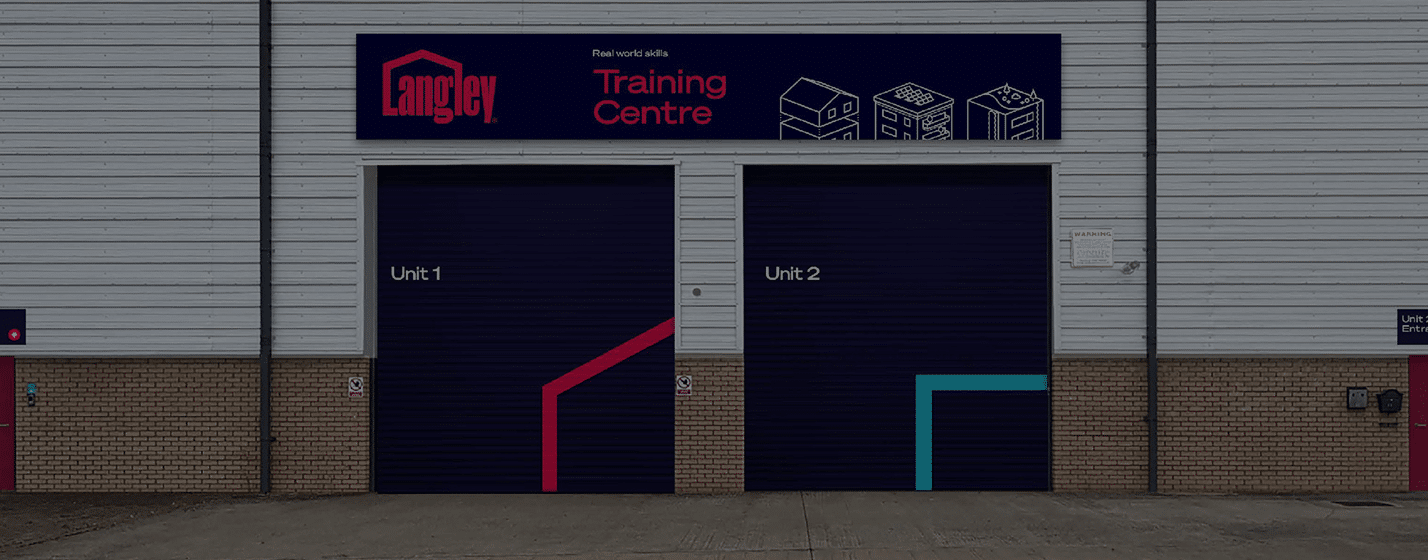
Centre for Skills Development: Building Skills for the Future
A centre for skills development helps people gain the practical abilities, knowledge and confidence needed to succeed at work and in everyday life. It may support school leavers, jobseekers, employees, employers and people looking to change careers. By combining training with guidance and opportunities to practise, a centre can help learners prepare for new challenges and make progress towards their goals.
What does a centre for skills development do?
Centres vary in size and purpose, but many provide courses, workshops, assessments and careers support. Training may focus on technical or vocational skills, such as digital tools, construction, healthcare or business administration. It may also cover transferable skills, including communication, teamwork, problem-solving and time management.
Some centres work with local employers to identify skills in demand and shape their programmes accordingly. Others partner with schools, colleges, community organisations or employment services. The aim is to make learning relevant and accessible, while helping people apply what they learn in real situations.
Why skills development matters
The world of work is constantly changing. New technologies, different working practices and shifting industry needs can all affect the skills employers are looking for. Ongoing learning helps people adapt, stay confident and explore new opportunities.
Skills development can also benefit organisations. Employees who have access to suitable training may be better equipped to take on responsibilities, use new systems and contribute to a changing workplace. For employers, investing in learning can support staff development and help address skills gaps.
Learning that fits different needs
Effective skills programmes recognise that learners have different starting points, schedules and ambitions. A centre may offer full-time or part-time courses, short workshops, online learning or practical, hands-on training. Some programmes lead to recognised qualifications, while others focus on building specific abilities.
Before enrolling, learners can ask about entry requirements, course content, costs, timetables and any support available. It is also useful to find out how progress is assessed and whether the training includes work experience, mentoring or help with job applications.
Choosing the right centre
The right centre will depend on a learner’s goals. Consider whether the courses match the skills needed for a chosen job or career path. Check the experience of tutors, the quality of facilities and the relevance of the programme to current workplace needs. If a qualification is important, confirm that it is recognised by the relevant awarding body or industry.
Support can matter just as much as course content. Guidance with choosing a programme, study skills, accessibility and next steps can make learning more manageable. Reading reviews, attending an open day or speaking to an adviser may help learners make an informed decision.
A step towards new opportunities
A centre for skills development can provide a practical route to gaining confidence, improving employability and preparing for further learning. Whether someone is beginning their career, returning to work or aiming to progress in their current role, developing relevant skills can open doors.
With clear goals and the right support, learning becomes more than a qualification. It can be a foundation for long-term growth, greater independence and new possibilities.
Centre for Skills Development: 7 Frequently Asked Questions
- What are your top 3 skill development priorities?
- What are the 5 stages of skill development?
- What is a skill Centre?
- What is the OECD Centre for skills?
- Which is the best skill development courses?
- Who is the head of the OECD Centre for skills?
- What is a skill development Centre?
What are your top 3 skill development priorities?
Our top three skill development priorities are digital literacy, communication and collaboration, and problem-solving. We focus on helping learners use digital tools confidently, express ideas clearly and work effectively with others, while building the adaptability and critical thinking needed to meet new challenges. These transferable skills support success across a wide range of roles and industries.
What are the 5 stages of skill development?
The five stages of skill development are often described as beginner, advanced beginner, competent, proficient and expert. At the beginner stage, a learner follows clear instructions and focuses on basic rules. With practice, an advanced beginner starts recognising familiar situations and applying what they have learnt. A competent learner can plan and manage tasks more independently, while a proficient learner sees the bigger picture and adapts their approach to changing circumstances. At the expert stage, deep experience allows someone to respond confidently and intuitively to complex situations. Progress is rarely identical for everyone, and continued practice, feedback and learning help skills develop over time.
What is a skill Centre?
A skills centre is a place or organisation that helps people develop practical, professional and personal abilities through training, workshops and other learning opportunities. Courses may cover areas such as digital skills, trades, communication or workplace readiness, and can be designed for people starting a career, changing jobs or building on existing experience. Many skills centres also offer guidance to help learners choose suitable training and plan their next steps.
What is the OECD Centre for skills?
The OECD Centre for Skills helps countries develop and use people’s skills more effectively. It works with governments, employers, education providers and other organisations to understand changing skills needs, improve education and training systems, and support lifelong learning. Through research, advice and international collaboration, the Centre helps countries prepare people for changes in work and society.
Which is the best skill development courses?
There is no single best skills development course for everyone; the right choice depends on your interests, experience and career goals. Courses in digital skills, project management, communication, data analysis and vocational trades can be valuable, but demand varies between industries. Consider which skills employers in your chosen field are seeking, check the course content and accreditation, and choose a programme that offers practical experience as well as recognised learning.
Who is the head of the OECD Centre for skills?
The OECD Centre for Skills is headed by El Iza Mohamedou, who leads its work supporting countries to develop and use people’s skills effectively. For the latest information, check the OECD’s official website, as leadership roles can change.
What is a skill development Centre?
A skills development centre is a place or organisation that helps people build the practical abilities, knowledge and confidence they need for work or further learning. It may offer vocational training, short courses, workshops, career guidance and support with recognised qualifications. Programmes can cover technical skills, such as using digital tools, as well as transferable skills like communication, teamwork and problem-solving.