
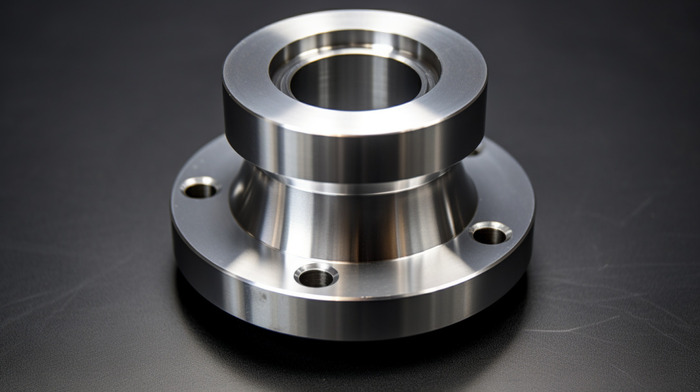
Aerospace Parts CNC Machining: Precision for Flight-Critical Components
Aerospace parts CNC machining is the computer-controlled manufacture of components used in aircraft, spacecraft and their supporting systems. From structural fittings and engine parts to brackets, housings and landing-gear components, these parts must be made with careful attention to accuracy, material performance and quality control.
Computer numerical control (CNC) machining uses programmed instructions to guide cutting tools as they remove material from a workpiece. The process can produce complex shapes and repeatable features, making it well suited to aerospace applications where a component’s dimensions and surface finish can affect how it fits and performs.
What makes aerospace machining different?
Aerospace components are often designed to be strong and lightweight, while operating in demanding conditions. Parts may be exposed to vibration, pressure, temperature changes, moisture or corrosive environments. The precise requirements depend on the component and its intended use, so machining methods and inspection plans need to be selected accordingly.
Many parts also have complex geometries, thin walls, deep pockets or closely controlled features. Machining these shapes can be challenging, particularly when working with materials that are difficult to cut or when a part must remain stable throughout production.
Common materials
The material is chosen according to the component’s design, operating environment and performance requirements. Common aerospace machining materials include:
- Aluminium alloys: valued for their low weight and machinability, and used in a range of structural and interior components.
- Titanium alloys: selected for applications requiring a high strength-to-weight ratio and resistance to heat or corrosion.
- Stainless and alloy steels: used where strength, wear resistance or other specific mechanical properties are needed.
- Nickel-based superalloys: used in some high-temperature applications, including certain engine components.
- Engineering plastics: used for suitable non-structural parts, housings and other applications where the design allows.
Each material presents different machining considerations. For example, heat management, tool wear and workpiece distortion can all influence the choice of cutting tools, speeds, feeds and machining sequence.
How CNC machining is used
Aerospace suppliers may use several CNC processes, depending on the part’s shape and design:
- CNC milling removes material with rotating cutting tools to create features such as pockets, slots, profiles and holes.
- CNC turning rotates the workpiece against a cutting tool and is commonly used for cylindrical parts.
- Multi-axis machining allows tools to approach a component from several angles, which can reduce the need for multiple set-ups and help produce complex geometries.
- Drilling and tapping create holes and threads for fasteners, fittings and other connections.
These processes can be combined with finishing operations, such as deburring, surface treatment or coating, where required by the drawing or specification.
From design to finished part
Production typically begins with the engineering data, including drawings, three-dimensional models and material specifications. The manufacturer reviews the requirements and plans how to machine and inspect the part.
- Review the design: Check dimensions, tolerances, material requirements and any special notes on the drawing.
- Plan the process: Select machines, tooling, workholding and the order of operations.
- Programme the machine: Create and verify CNC instructions using computer-aided manufacturing software.
- Machine the component: Remove material in controlled stages, monitoring the process where appropriate.
- Inspect and document: Check the finished part against the defined requirements and maintain the required production records.
For complex parts, planning matters as much as the cutting itself. The sequence of operations can help manage distortion, preserve material for later machining and ensure that important features can be measured reliably.
Quality, inspection and traceability
Quality control is central to aerospace parts manufacturing. Inspection may include dimensional checks, surface-finish measurements and visual examination. Coordinate measuring machines and other precision instruments can be used where appropriate to verify features against the design data.
Traceability is also important. Depending on the contract and application, records may cover material identity, production steps, inspection results and any approved changes. Requirements vary, so buyers should agree in advance what documentation and quality processes are needed for their parts.
Manufacturers working in the aerospace supply chain may need to meet customer, regulatory or industry-specific requirements. These should be confirmed directly rather than assumed: the relevant approvals depend on the work being supplied and the customer’s specifications.
Benefits of CNC machining
CNC machining offers several practical advantages for aerospace production:
- Accuracy and repeatability: programmed operations can help produce consistent parts across a production run.
- Design flexibility: milling, turning and multi-axis processes can create a wide range of geometries.
- Suitable for prototypes and production: CNC machining can support development work as well as repeat manufacturing, depending on the part and volumes required.
- Material choice: many metals and engineering plastics can be machined using suitable processes and tooling.
- Integration with digital design: CAD and CAM data can support a connected workflow from design review through to machine programming.
Challenges to consider
High-performance materials can be costly and difficult to machine. Thin sections may move under cutting forces, while heat can affect both tooling and the workpiece. Complex components may also require specialised workholding, careful programming and additional inspection.
Design decisions can influence manufacturability and cost. Where a design is still being developed, an early discussion between the engineering team and machining supplier may identify opportunities to simplify set-ups, improve access for tools or make inspection more straightforward—without compromising the design’s functional requirements.
Choosing an aerospace machining supplier
When evaluating a supplier, consider more than the equipment list. Useful questions include:
- Can the supplier machine the specified materials and part geometry?
- What inspection methods and measurement equipment are available?
- Can the supplier provide the documentation and traceability required for the order?
- How are programming, process changes and non-conforming parts managed?
- Does the supplier have relevant experience with similar components and production volumes?
- Are lead times, finishing requirements and approval expectations clearly understood?
Sharing complete, current drawings and specifications helps suppliers assess a project accurately. It is also useful to agree acceptance criteria and documentation requirements before production begins.
Conclusion
Aerospace parts CNC machining combines digital manufacturing, skilled process planning and careful inspection to produce components for demanding applications. Material selection, machining strategy, traceability and quality requirements all contribute to a successful result. With clear specifications and collaboration between designers, manufacturers and customers, CNC machining can support the production of precise aerospace parts from prototype through to repeat manufacture.
Frequently Asked Questions About CNC Machining for Aerospace Parts
- What is CNC machining for aerospace parts?
- Which materials are commonly used for CNC-machined aerospace components?
- What tolerances can aerospace CNC machining achieve?
- How are CNC-machined aerospace parts inspected and quality-controlled?
- Can CNC machining produce both aerospace prototypes and production batches?
- What information is needed to request a quote for aerospace CNC machining?
What is CNC machining for aerospace parts?
CNC machining for aerospace parts is a manufacturing process in which computer-controlled tools cut and shape materials such as aluminium, titanium and stainless steel into components for aircraft and spacecraft. It can produce intricate features with a high degree of accuracy and repeatability, helping parts meet demanding design specifications. Depending on the component, processes may include milling, turning, drilling and multi-axis machining, followed by inspection to check that the finished part meets the required dimensions and quality standards.
Which materials are commonly used for CNC-machined aerospace components?
Common materials for CNC-machined aerospace components include aluminium alloys, titanium alloys, stainless and alloy steels, and nickel-based superalloys. Aluminium is valued for its light weight and machinability, while titanium offers a strong strength-to-weight ratio and corrosion resistance. Steels are chosen where strength or wear resistance is important, and nickel-based superalloys are used in some high-temperature applications, such as engine components. The right material depends on the part’s design, operating conditions and performance requirements.
What tolerances can aerospace CNC machining achieve?
Aerospace CNC machining can achieve tight tolerances, but the achievable accuracy depends on the part’s size, geometry, material, machining process and inspection requirements. As a general guide, some features may be machined to around ±0.01 mm, while tighter tolerances may be possible for specific features under controlled conditions; they should not be assumed for every part. The engineering drawing and applicable specification define the required tolerances, so these should be reviewed with the manufacturer before production.
How are CNC-machined aerospace parts inspected and quality-controlled?
CNC-machined aerospace parts are inspected against their engineering drawings and agreed specifications at key stages of production. Checks may include dimensional measurements using calibrated instruments or coordinate measuring machines, as well as visual and surface-finish inspections. Depending on the component and customer requirements, quality control may also involve material verification and other specified tests. Manufacturers record inspection results and maintain traceability for materials and production stages, helping demonstrate that each part meets the required criteria. Exact checks and documentation vary by part and application, so these should be agreed before manufacturing begins.
Can CNC machining produce both aerospace prototypes and production batches?
Yes. CNC machining can be used for both aerospace prototypes and production batches. It allows engineers to produce and assess parts during development, then use established programmes and processes to manufacture repeat quantities. The most suitable approach depends on the component’s design, material, tolerances, inspection requirements and order volume. For aerospace work, specifications and quality documentation should be agreed with the manufacturer before production begins.
What information is needed to request a quote for aerospace CNC machining?
To request a quote for aerospace CNC machining, provide a current engineering drawing and, where available, a 3D CAD model, along with the material grade, required quantity and expected order frequency. Include tolerances, surface-finish requirements, any heat treatment or coating, inspection and certification needs, and the required delivery date. It is also helpful to specify applicable standards, traceability or documentation requirements, and whether the parts are prototypes or production components. If some details are still undecided, note this clearly so the supplier can identify what is needed to prepare an accurate quote.