
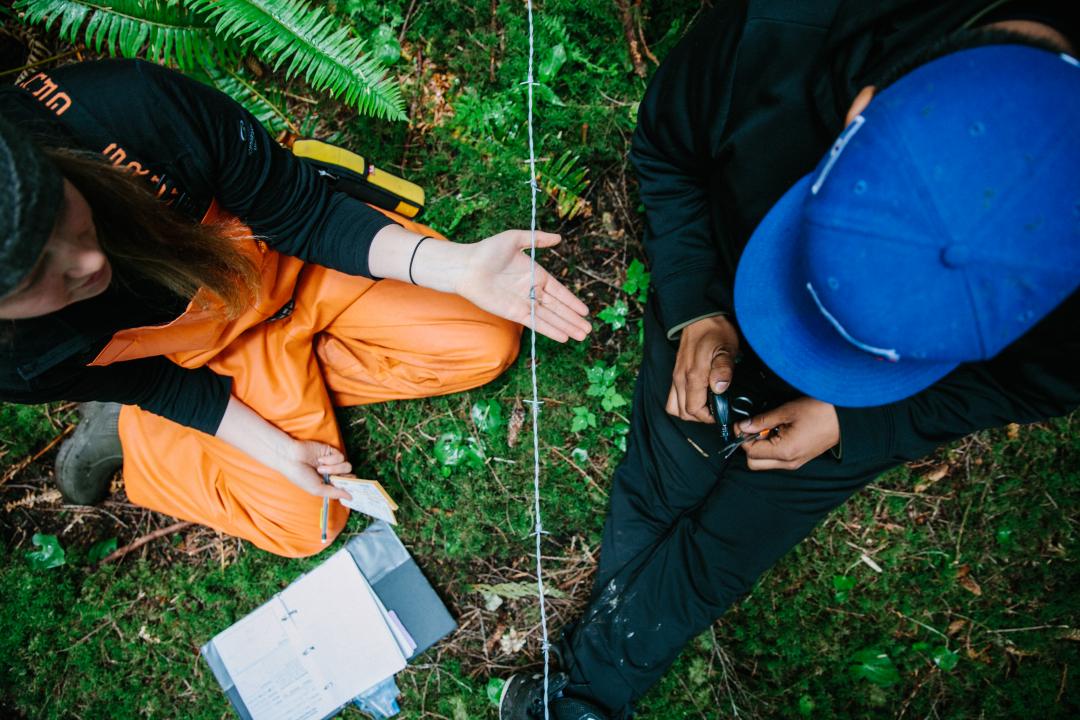
Community-Based Collaboration: Achieving More Together
Many of the challenges facing communities are too complex for any one person or organisation to solve alone. Whether a neighbourhood is improving local services, responding to environmental concerns or creating opportunities for young people, lasting progress often depends on people working together. This is the idea at the heart of community-based collaboration.
What is community-based collaboration?
Community-based collaboration brings residents, local groups, businesses, public services and other organisations together to identify shared priorities and take action. It is more than consulting people after decisions have been made. Genuine collaboration gives those affected by an issue a meaningful role in shaping the response.
Each participant brings different knowledge and resources. Residents understand the everyday realities of local life; community organisations may have established relationships and specialist experience; and public bodies can contribute funding, facilities or professional expertise. When these perspectives are combined, solutions are more likely to reflect what people actually need.
Why working together matters
Collaboration can help build trust between people and organisations. Open conversations make it easier to understand different experiences, challenge assumptions and find common ground. They can also help prevent duplicated effort by enabling groups to share information and make better use of existing resources.
Most importantly, collaboration can create a stronger sense of ownership. When people have helped shape a project, they are more likely to feel connected to its goals and contribute to its success. This can make initiatives more relevant, resilient and sustainable over time.
Creating the conditions for effective collaboration
Successful collaboration does not happen automatically. It needs time, clear communication and a willingness to share influence. A few practical principles can help:
- Start by listening. Find out what matters to different people before deciding what the project should deliver.
- Make participation accessible. Consider meeting times, venues, language, transport, childcare and online access so that more people can take part.
- Agree on a shared purpose. Be clear about the issue being addressed, the outcomes being sought and how decisions will be made.
- Value different contributions. Practical experience, local knowledge and professional expertise all have a place.
- Be transparent. Explain what can and cannot be changed, how resources will be used and what happens next.
- Review progress together. Celebrate achievements, discuss difficulties and adapt plans as circumstances change.
Addressing common challenges
Groups may have different priorities, levels of influence or expectations. Some participants may also have more time, confidence or access to decision-makers than others. If these differences are ignored, collaboration can unintentionally reinforce existing inequalities.
Creating a fair process means making space for less-heard voices and being thoughtful about whose knowledge is treated as valuable. It also means recognising that trust takes time. Keeping commitments, sharing updates and being honest about setbacks are small but important ways to build reliable relationships.
Progress through shared effort
Community-based collaboration is not simply a method for delivering a project. It is a way of building stronger relationships and giving people a meaningful role in decisions that affect their lives. The process may require patience, compromise and ongoing effort, but the results can reach beyond any single initiative.
When communities work together with respect and a shared sense of purpose, they can combine their strengths, respond more effectively to local needs and create change that people are proud to sustain.
Understanding Community-Based Collaboration: Key Concepts and Examples
- What does community collaboration mean?
- What are the 4 types of collaboration?
- What is community based collaboration?
- Why is collaborating with the community important?
- What is an example of a community-based program?
What does community collaboration mean?
Community collaboration means people, groups and organisations working together towards a shared goal that benefits their community. It involves listening to different perspectives, sharing knowledge and resources, and giving local people a meaningful role in shaping decisions and solutions. By combining their strengths and experiences, collaborators can respond more effectively to local needs and create lasting change.
What are the 4 types of collaboration?
There is no single agreed list of the four types of collaboration, but community-based work is often described as a spectrum: **cooperation**, where people share information or offer occasional help; **coordination**, where they organise their activities to avoid duplication; **collaboration**, where they plan and work towards shared goals; and **co-creation**, where community members and organisations jointly shape decisions and solutions from the outset. These approaches involve different levels of shared responsibility, and the most suitable depends on the community’s needs and aims.
What is community based collaboration?
Community-based collaboration is when local people, community groups, organisations and services work together to address shared needs or achieve common goals. It brings together their different experiences, knowledge and resources, while giving the people most affected a meaningful role in shaping decisions and solutions. Done well, it builds trust, strengthens local connections and helps create outcomes that better reflect the community’s priorities.
Why is collaborating with the community important?
Collaborating with the community is important because it brings together local knowledge, lived experience and different skills to create solutions that better reflect people’s needs. It helps build trust, encourages shared ownership and can make projects more inclusive and sustainable. By involving the people affected from the outset, organisations are more likely to identify the right priorities and achieve lasting results.
What is an example of a community-based program?
A community garden is a good example of a community-based programme. Local residents, community groups and sometimes councils work together to plan and care for a shared growing space. Participants can learn about gardening, grow fresh food, share skills and create a welcoming place to meet. Because the programme is shaped and run with the community, it can reflect local interests and encourage a lasting sense of connection and ownership.