
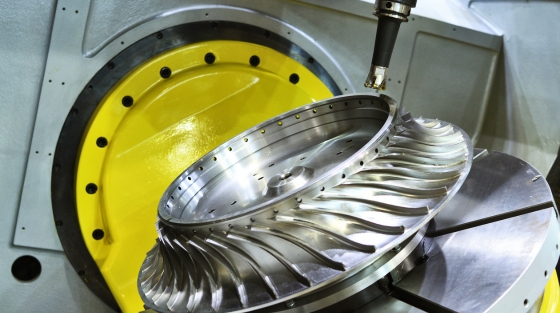
Aerospace Parts CNC Machining: Precision Manufacturing for Flight
Aerospace components must perform reliably in demanding conditions, from the vibration and temperature changes of flight to the high stresses experienced by engines and landing gear. CNC machining helps manufacturers produce these parts with the accuracy, consistency and traceability the industry requires.
Unlike general-purpose machining, aerospace parts CNC machining is shaped by demanding design specifications, specialised materials and rigorous quality controls. Every stage—from interpreting engineering drawings to inspecting the finished component—plays a role in ensuring that parts meet their intended requirements.
What is CNC machining?
Computer Numerical Control (CNC) machining uses programmed instructions to guide cutting tools and machine movements. Common processes include milling, turning, drilling and grinding. Because the equipment follows digital toolpaths, it can produce complex features repeatedly and with close control over dimensions.
Many aerospace parts are machined from solid blocks, bars or forgings. This approach, often called machining from solid, can create precise shapes and integral features. Depending on the component’s design and production needs, manufacturers may also machine castings or other near-net-shape materials.
Materials used in aerospace machining
Aerospace designs use materials selected for specific performance requirements, such as strength, low weight, heat resistance or corrosion resistance. Common examples include:
- Aluminium alloys: valued for their low weight and machinability, and used in a range of aircraft structures and components.
- Titanium alloys: chosen for applications requiring a strong, lightweight material with good corrosion resistance.
- Nickel-based superalloys: used in demanding high-temperature environments, including some engine applications.
- Stainless and other alloy steels: used where strength, wear resistance or other specified properties are needed.
Each material presents different machining challenges. Titanium and heat-resistant alloys, for example, can generate substantial heat at the cutting edge and may wear tools quickly. Choosing suitable tooling, cutting parameters, machine set-ups and coolant strategies is therefore essential.
Why precision and repeatability matter
Aerospace components often include features that must fit with other parts in an assembly. CNC machining can help control dimensions, hole positions, surface finishes and geometric relationships in accordance with the engineering specification. The required tolerances vary from part to part; they are set by the design rather than by a single standard that applies to every component.
Repeatability is equally important when producing multiple parts. A stable process helps manufacturers make components consistently across a production run, while inspection confirms that the results meet the relevant requirements. This combination of process control and verification is particularly important for parts used in safety-critical systems.
From engineering data to finished component
A typical aerospace CNC machining workflow may include the following stages:
- Design and review: Engineers assess drawings or 3D models, material specifications, tolerances and inspection requirements.
- Process planning: The manufacturer selects the material, machine, tooling, workholding and machining sequence.
- Programming and set-up: CNC toolpaths are prepared and checked, and the workpiece is secured for machining.
- Machining: The component is produced through one or more operations, with in-process checks where appropriate.
- Finishing and inspection: Parts may be deburred, cleaned or sent for specified surface treatments before dimensional and other required inspections.
- Documentation and delivery: Inspection records and material documentation are compiled in line with the agreed requirements.
Quality, traceability and inspection
Quality assurance is built into aerospace manufacturing. Depending on the component and customer requirements, inspection may use calibrated gauges, coordinate measuring machines, optical systems or other suitable methods. Non-destructive testing may also be specified to assess a part without damaging it.
Traceability helps link a finished component to relevant production information, such as material batches, process records and inspection results. Manufacturers should work to the standards and quality-system requirements applicable to their role and the particular programme. Buyers should confirm these requirements directly when selecting a supplier.
Choosing an aerospace CNC machining partner
When evaluating a machining supplier, consider its experience with the required materials and part types, available machine capacity, inspection equipment and approach to process control. It is also useful to discuss production volumes, lead times, documentation, surface-treatment coordination and how design changes are managed.
Clear communication at the quotation and design-review stages can help identify manufacturability issues early. In some cases, small changes to non-critical features may simplify machining or inspection, but any change must be reviewed and approved through the appropriate engineering process.
Conclusion
Aerospace parts CNC machining brings together digital manufacturing, specialist materials and disciplined quality control. When the process is planned around the component’s engineering requirements, CNC machining can support the production of accurate, repeatable parts for demanding aerospace applications. The foundation is a clear specification, a capable manufacturing process and thorough verification at every required stage.
Key Insights into CNC Machining of Aerospace Parts: Materials, Tolerances, Quality, Processes, and Production Timelines
- What materials are commonly used for CNC-machined aerospace parts?
- What tolerances can aerospace CNC machining achieve?
- How do manufacturers ensure the quality and traceability of aerospace components?
- Which CNC machining processes are used to manufacture aerospace parts?
- How long does it take to manufacture CNC-machined aerospace components?
What materials are commonly used for CNC-machined aerospace parts?
Materials commonly used for CNC-machined aerospace parts include aluminium alloys, titanium alloys, stainless and other alloy steels, and nickel-based superalloys. Aluminium is often chosen for its low weight and machinability, while titanium offers a strong, lightweight option with good corrosion resistance. Nickel-based superalloys are suited to components exposed to high temperatures, such as certain engine parts, and steels are used where strength, wear resistance or other specific properties are required. The right material depends on the component’s design, operating conditions and engineering specifications.
What tolerances can aerospace CNC machining achieve?
The tolerances achievable in aerospace CNC machining depend on the part’s material, geometry, size, machining process and inspection requirements. Modern CNC equipment can produce very precise features, but there is no single tolerance that applies to every aerospace component. Tighter tolerances may require specialist tooling, carefully controlled processes and additional inspection, which can affect cost and lead time. The best approach is to specify the functional requirements on the drawing and confirm achievable tolerances with the manufacturer during design review.
How do manufacturers ensure the quality and traceability of aerospace components?
Manufacturers ensure the quality and traceability of aerospace components through documented, controlled processes at every stage of production. This typically includes verifying raw materials and their certificates, using approved procedures and calibrated equipment, carrying out in-process and final inspections against the engineering specification, and recording results such as measurements, batch details and any non-conformance actions. Unique part or batch identifiers link each component to its material, manufacturing and inspection records, making its production history easier to verify. The exact controls and documentation depend on the component, customer requirements and applicable quality standards.
Which CNC machining processes are used to manufacture aerospace parts?
Aerospace parts are commonly made using CNC milling and turning, often combined with drilling, boring and grinding to create precise features and finishes. Milling is suited to complex shapes, pockets and surfaces, while turning produces round components such as shafts and fittings. Multi-axis machining can complete several features in one set-up, helping to maintain accuracy and reduce handling. The right process depends on the component’s design, material, tolerances and production requirements.
How long does it take to manufacture CNC-machined aerospace components?
The time required to manufacture CNC-machined aerospace components depends on factors such as part complexity, material availability, production quantity, machining time and inspection requirements. A simple part made from readily available material may be completed relatively quickly, while complex components requiring specialist alloys, multiple machining operations, surface treatments or detailed certification and inspection can take considerably longer. Lead times also include programming, set-up and any approval stages, so the best estimate comes from a manufacturer reviewing the drawings, specifications and required delivery quantity.