
The Importance of Accuracy and Precision in Pipetting
Pipetting is a fundamental technique in laboratories, used for transferring precise volumes of liquids. Accuracy and precision in pipetting are crucial for obtaining reliable and reproducible results in experiments.
Accuracy: refers to how close the measured value is to the true value. In pipetting, accuracy ensures that the volume dispensed matches the intended volume. Factors such as using calibrated pipettes, proper technique, and correct calibration can improve accuracy.
Precision: refers to the consistency or reproducibility of measurements. In pipetting, precision ensures that repeated measurements of the same volume yield similar results. Factors such as using high-quality pipettes, practicing good pipetting techniques, and maintaining a steady hand can improve precision.
Both accuracy and precision are essential in pipetting to avoid errors that could impact experimental outcomes. Inaccurate volumes can lead to incorrect concentrations, affecting the validity of results. Lack of precision can result in variability between replicates, reducing the reliability of data.
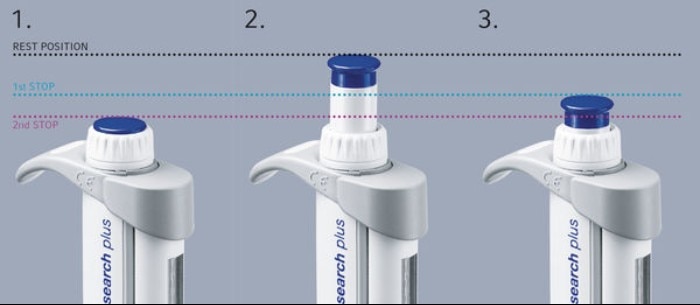
To enhance accuracy and precision in pipetting, it is important to calibrate equipment regularly, use appropriate pipetting techniques (such as proper tip immersion and release), and handle liquids carefully to prevent air bubbles or spills. Training on good laboratory practices and following standard operating procedures can also help improve pipetting skills.
By prioritising accuracy and precision in pipetting, researchers can ensure the integrity of their data and maintain high standards of scientific excellence. Remember, a small error in pipetting can have significant consequences on experimental outcomes!
Understanding and Enhancing Accuracy and Precision in Pipetting: Answers to Common Questions
- What is the difference between accuracy and precision in pipetting?
- Why is accuracy important in pipetting?
- How can I improve accuracy when pipetting?
- What factors affect precision in pipetting?
- What are common sources of error in pipetting that affect accuracy and precision?
- Can using low-quality pipettes impact the accuracy and precision of my measurements?
- Are there specific techniques or best practices to ensure both accuracy and precision when pipetting?
What is the difference between accuracy and precision in pipetting?
In the realm of pipetting, the distinction between accuracy and precision is a common query among laboratory professionals. Accuracy in pipetting refers to how closely the dispensed volume aligns with the true intended value, ensuring that the measurements are correct. On the other hand, precision in pipetting pertains to the consistency and reproducibility of measurements, highlighting the reliability of obtaining similar results with repeated actions. Understanding and mastering both accuracy and precision in pipetting are vital for ensuring reliable experimental outcomes and maintaining high standards of scientific integrity within laboratory settings.
Why is accuracy important in pipetting?
Accuracy in pipetting is paramount due to its direct impact on the reliability and validity of experimental results. Ensuring accuracy in pipetting guarantees that the intended volume of liquid is dispensed correctly, thus maintaining the integrity of concentrations and measurements. Any deviation from the desired volume can lead to inaccuracies in calculations, affecting the outcome of experiments. By prioritising accuracy in pipetting, researchers can have confidence in the precision and consistency of their data, ultimately contributing to the credibility and reproducibility of scientific findings.
How can I improve accuracy when pipetting?
To enhance accuracy when pipetting, several key strategies can be implemented. Firstly, it is essential to use calibrated pipettes and regularly verify their accuracy through calibration checks. Ensuring proper technique, such as maintaining a consistent pipetting speed and angle, can also improve accuracy. Additionally, priming the pipette tip before aspiration and dispensing liquids gently can help minimise errors. Practising good laboratory habits, such as working in a stable environment free from vibrations and distractions, can further aid in improving accuracy when pipetting. By following these guidelines diligently and paying attention to detail, one can significantly enhance the accuracy of pipetting procedures for reliable and precise results in laboratory experiments.
What factors affect precision in pipetting?
When considering the factors that affect precision in pipetting, several key elements come into play. The quality and calibration of the pipette itself are crucial, as using a well-maintained and properly calibrated instrument can significantly impact precision. Additionally, the technique and skill of the operator play a vital role in achieving consistent results. Factors such as the angle of approach, speed of aspiration and dispense, and proper tip immersion can all influence the precision of pipetting. Environmental conditions, such as temperature and humidity, should also be taken into account, as they can affect the viscosity of the liquid being dispensed. By paying attention to these factors and implementing best practices, researchers can enhance the precision of their pipetting techniques and ensure reliable and reproducible results in their experiments.
What are common sources of error in pipetting that affect accuracy and precision?
Common sources of error in pipetting that affect accuracy and precision include using inaccurate or poorly calibrated pipettes, improper technique such as not allowing the pipette tip to fully aspirate or dispense liquid, variations in temperature and humidity affecting the volume of the liquid, as well as inconsistencies in operator skill and experience. Contaminated or damaged pipette tips, inadequate mixing of solutions before pipetting, and air bubbles trapped in the tip can also contribute to errors in both accuracy and precision. It is essential for researchers to be aware of these potential sources of error and take necessary precautions to minimise their impact on experimental results.
Can using low-quality pipettes impact the accuracy and precision of my measurements?
Using low-quality pipettes can have a significant impact on the accuracy and precision of your measurements in pipetting. Low-quality pipettes may not be calibrated correctly, leading to inaccurate volume dispensing. This can result in deviations from the intended values, affecting the accuracy of your measurements. Additionally, low-quality pipettes may lack precise mechanisms for controlling liquid flow, resulting in inconsistent volumes being dispensed. This inconsistency can compromise the precision of your measurements, leading to variability between replicates and reducing the reliability of your experimental results. Investing in high-quality pipettes is essential to ensure accurate and precise pipetting, ultimately contributing to the validity and credibility of your scientific data.
Are there specific techniques or best practices to ensure both accuracy and precision when pipetting?
When it comes to ensuring both accuracy and precision in pipetting, there are specific techniques and best practices that can significantly improve your pipetting performance. Firstly, using calibrated pipettes and regularly verifying their accuracy with standard solutions is essential. Proper technique, such as maintaining a consistent pipetting speed, releasing the plunger smoothly, and avoiding introducing air bubbles, can help enhance both accuracy and precision. Additionally, ensuring proper tip immersion depth and angle when aspirating and dispensing liquids can minimise errors. Regular training on pipetting best practices and following standard operating procedures can further aid in achieving optimal accuracy and precision in your pipetting tasks.