
The Importance of Accuracy and Precision in the Laboratory
Accuracy and precision are two crucial factors in any laboratory setting, playing a significant role in the reliability of experimental results and the validity of scientific conclusions. Let’s delve into the importance of accuracy and precision in laboratory work.
Accuracy
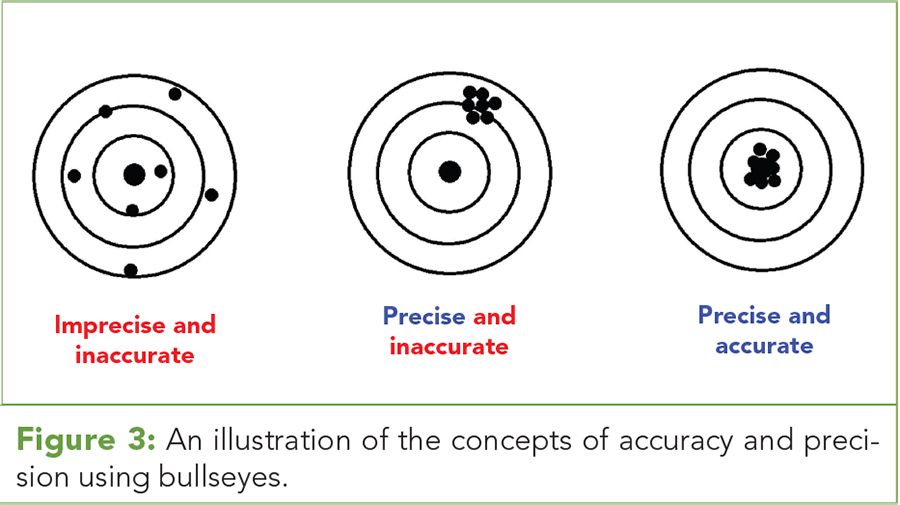
Accuracy refers to how close a measured value is to the true value or accepted standard. In a laboratory setting, accurate measurements are essential for obtaining reliable data that can be trusted for making informed decisions. A lack of accuracy can lead to erroneous conclusions and misinterpretation of results.
Ensuring accuracy involves using calibrated instruments, following proper measurement techniques, and minimising sources of error during experimentation. Regular calibration checks and validation procedures help maintain accuracy levels within acceptable limits.
Precision
Precision, on the other hand, relates to the consistency or reproducibility of measurements. A precise measurement yields similar results when repeated under identical conditions. Precision is crucial for assessing the reliability and consistency of experimental data.
To achieve precision in laboratory work, it is essential to minimise random errors through meticulous attention to detail, proper sample handling techniques, and conducting multiple trials to evaluate variability. Precision enhances the reproducibility of results and increases confidence in the validity of findings.
Importance of Accuracy and Precision
Both accuracy and precision are vital for producing high-quality scientific research. Accurate measurements ensure that data reflect true values, while precise measurements indicate the level of consistency within experimental results. Together, accuracy and precision enhance the credibility and trustworthiness of scientific findings.
Moreover, accurate and precise measurements are essential for comparing results across different studies, verifying hypotheses, identifying trends or patterns, and making informed decisions based on reliable data. Researchers rely on accurate and precise measurements to draw meaningful conclusions that contribute to advancements in various fields.
In Conclusion
Accuracy and precision are fundamental concepts in laboratory work that underpin the integrity and validity of scientific research. By prioritising accurate measurements that closely align with true values and precise measurements that exhibit consistency and reproducibility, laboratories can generate reliable data that form the basis for informed decision-making and scientific progress.
Understanding Accuracy and Precision: Key FAQs for Laboratory Excellence
- What is the difference between accuracy and precision in a laboratory setting?
- Why are accuracy and precision important in laboratory experiments?
- How can one ensure accuracy when conducting measurements in a laboratory?
- What factors can affect the accuracy of measurements in a laboratory?
- How does precision contribute to the reliability of experimental results?
- What techniques or tools can be used to improve precision in lab work?
- Why is it essential to distinguish between random and systematic errors for achieving both accuracy and precision?
- Can you provide examples of how inaccuracies or lack of precision in lab work can impact scientific research outcomes?
What is the difference between accuracy and precision in a laboratory setting?
In a laboratory setting, the distinction between accuracy and precision is a common query among researchers and scientists. Accuracy refers to how close a measured value is to the true or accepted value, highlighting the reliability of the data obtained. On the other hand, precision relates to the consistency or reproducibility of measurements, emphasising the degree of agreement between repeated results under identical conditions. Understanding this difference is crucial for ensuring that experimental data are not only reliable but also consistently reproducible, ultimately contributing to the credibility and validity of scientific findings in laboratory research.
Why are accuracy and precision important in laboratory experiments?
In laboratory experiments, accuracy and precision play a pivotal role in ensuring the reliability and validity of results. Accuracy is crucial as it determines how closely the measured values align with the true or accepted standard, influencing the trustworthiness of the data obtained. Precision, on the other hand, reflects the consistency and reproducibility of measurements under identical conditions, indicating the reliability of experimental data. Together, accuracy and precision are essential for producing credible scientific findings, facilitating accurate comparisons across studies, identifying trends or patterns with confidence, and making informed decisions based on dependable data. By upholding high standards of accuracy and precision in laboratory experiments, researchers can enhance the integrity of their work and contribute to advancements in scientific knowledge.
How can one ensure accuracy when conducting measurements in a laboratory?
Ensuring accuracy when conducting measurements in a laboratory requires meticulous attention to detail and adherence to best practices. To achieve accuracy, it is essential to calibrate instruments regularly, use appropriate measurement techniques, and minimise sources of error. Conducting validation checks, verifying the accuracy of standards used, and following established procedures can help maintain precision in measurements. Additionally, recording data accurately, controlling environmental factors that could affect measurements, and repeating experiments to confirm results all contribute to ensuring the accuracy of laboratory measurements. By implementing these strategies consistently and diligently, researchers can enhance the reliability and trustworthiness of their experimental data.
What factors can affect the accuracy of measurements in a laboratory?
In a laboratory setting, several factors can influence the accuracy of measurements. One crucial factor is the calibration and maintenance of measuring instruments, as inaccuracies in instrument calibration can lead to erroneous results. The skill and technique of the person conducting the measurements also play a significant role, as human error or inconsistency in measurement procedures can impact accuracy. Environmental conditions, such as temperature fluctuations or humidity levels, may introduce variability into measurements. Additionally, the quality and stability of reagents or samples used in experiments can affect measurement accuracy. Understanding and addressing these factors are essential for ensuring accurate and reliable results in laboratory work.
How does precision contribute to the reliability of experimental results?
Precision plays a crucial role in enhancing the reliability of experimental results in the laboratory setting. By ensuring consistency and reproducibility in measurements, precision allows researchers to assess the degree of variability within their data. When experimental results exhibit high precision, with repeated measurements yielding similar values under identical conditions, it indicates a reduced margin of error and increased confidence in the reliability of the findings. Precision enables researchers to identify subtle differences, detect patterns, and draw meaningful conclusions from their data, ultimately contributing to the robustness and credibility of scientific research outcomes.
What techniques or tools can be used to improve precision in lab work?
To enhance precision in laboratory work, various techniques and tools can be utilised to minimise random errors and improve the consistency of measurements. One effective method is to use calibrated instruments that have been properly maintained and validated. Regular calibration checks ensure that instruments provide accurate readings, contributing to increased precision in experimental results. Employing statistical analysis techniques, such as averaging multiple measurements and calculating standard deviations, can also help assess variability and enhance the precision of data. Additionally, following standard operating procedures meticulously, practising good sample handling techniques, and conducting replicate trials can further improve precision in lab work by reducing sources of error and enhancing reproducibility.
Why is it essential to distinguish between random and systematic errors for achieving both accuracy and precision?
Distinguishing between random and systematic errors is essential in the pursuit of accuracy and precision in laboratory work. Random errors, which occur unpredictably and affect measurements inconsistently, can be minimised through multiple trials and statistical analysis. On the other hand, systematic errors result from consistent biases in measurement processes and equipment calibration. By identifying and correcting systematic errors, researchers can improve the accuracy of their measurements by aligning them closer to the true values. Understanding the distinction between these types of errors allows scientists to enhance precision by reducing variability and ensuring that measurements are consistently reproducible under similar conditions. Addressing both random and systematic errors is crucial for achieving reliable and trustworthy results in laboratory experiments.
Can you provide examples of how inaccuracies or lack of precision in lab work can impact scientific research outcomes?
In scientific research, inaccuracies or lack of precision in laboratory work can have profound implications on the outcomes and validity of study findings. For example, if a measurement instrument is not properly calibrated, it may introduce systematic errors that skew results away from the true values, leading to inaccurate conclusions. Similarly, a lack of precision in sample handling or data collection can result in inconsistent or unreliable data, making it challenging to draw meaningful insights or identify significant trends within the research. These inaccuracies and imprecisions can undermine the credibility of study findings, hinder reproducibility, and ultimately impede scientific progress by potentially leading to erroneous interpretations and conclusions.
This is a topic which is near to my heart…
Cheers! Where are your contact details though?