
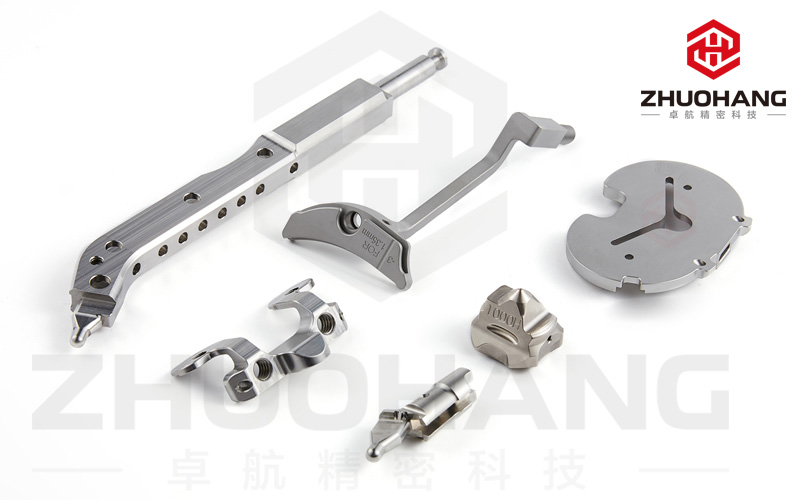
CNC Medical Parts: Precision Engineering for Healthcare
Medical devices and healthcare equipment depend on components that perform reliably, fit accurately and meet demanding design requirements. CNC medical parts are produced using computer-controlled machining processes, which remove material from a solid workpiece to create components with precise shapes and dimensions. They are used in everything from diagnostic equipment to surgical instruments and implantable devices.
Because these parts may be used in critical applications, their manufacture involves more than achieving a close fit. Material selection, surface finish, cleanliness, inspection and documentation all need to be considered alongside the design.
What are CNC medical parts?
CNC stands for computer numerical control. A digital design guides machine tools such as mills and lathes as they cut, drill or shape material. The process can produce individual prototypes as well as repeat batches of components, depending on the design and production requirements.
Common examples of CNC-machined medical parts include:
- Components for surgical instruments
- Housings and structural parts for diagnostic equipment
- Connectors, fittings and fluid-handling components
- Parts for patient monitoring and laboratory devices
- Prototypes and components for medical-device development
- Selected orthopaedic and dental components, where the design and material are suitable
Why CNC machining is used in medical manufacturing
Accuracy and repeatability
Medical assemblies can contain small, closely fitting components. CNC machining can produce detailed features and controlled dimensions, helping parts fit together as intended. A well-planned process can also support consistency across production runs, subject to appropriate machine control and inspection.
Design flexibility
Machining can create features such as slots, bores, threads, pockets and complex contours. This makes it useful for designs that need specific mechanical properties, precise interfaces or a combination of different features in one component.
Material choice
Depending on the application, parts may be machined from metals or engineering plastics. The right material depends on factors such as strength, weight, corrosion resistance, sterilisation method, intended contact with the body and applicable regulatory requirements.
Prototyping and production
CNC machining is often used to make prototypes for design evaluation and testing. It can also be suitable for low- to medium-volume production, replacement parts and components that would be difficult to manufacture economically using dedicated tooling.
Materials used for CNC medical parts
Material selection should be based on the component’s function and intended use. Common machining materials can include:
- Stainless steel: Used for many durable components where strength and corrosion resistance are important. The particular grade must be chosen for the application and processing requirements.
- Titanium and its alloys: Valued for their strength-to-weight characteristics and use in some medical applications. Suitability depends on the design, material specification and intended contact.
- Aluminium alloys: Often used for equipment housings and structural parts where low weight and machinability are useful.
- Engineering plastics: Materials such as PEEK, acetal and other polymers may be considered for components requiring particular weight, insulation or chemical-resistance properties. Not every grade is suitable for medical use.
A material’s name alone does not establish that a finished part is suitable for a medical application. The exact grade, supplier documentation, manufacturing history, finishing and intended use all matter. For components that contact patients or fluids, biocompatibility and other relevant requirements should be assessed for the complete device and its use environment.
Key manufacturing considerations
Design for manufacturability
Early collaboration between designers and machinists can help identify features that may be difficult or costly to produce. Wall thickness, internal corners, tool access, tolerances and datum choices can all affect machining strategy. Design adjustments may improve manufacturability without compromising the component’s function.
Surface finish and cleaning
Surface requirements vary according to the part’s purpose. Some components need a particular finish to support movement, sealing or cleaning; others may require additional finishing operations. Cleaning and packaging should also be considered, especially where contamination control is important.
Tolerances and inspection
Tolerances should reflect the component’s function rather than being specified more tightly than necessary. Inspection plans may include dimensional checks, visual examination and other tests appropriate to the design. Measurement methods and acceptance criteria should be agreed before production.
Traceability and documentation
Medical-device supply chains often require clear records of materials, manufacturing steps, inspection results and changes. The required documentation depends on the product, the manufacturer’s quality system and applicable regulations. These requirements should be established at the outset of a project.
Quality and regulatory requirements
Requirements for medical manufacturing depend on the intended use, the market and the role of each organisation in the supply chain. Standards such as ISO 13485 may be relevant to quality management for medical devices, while regulatory obligations differ between regions. Compliance should never be assumed solely because a component has been CNC machined or because a supplier uses a particular process.
Before placing an order, clarify which specifications, certifications, records and inspections are required. The medical-device manufacturer remains responsible for ensuring that the finished device meets its applicable regulatory and safety obligations.
Choosing a CNC machining supplier
When evaluating a supplier for CNC medical parts, consider whether they can:
- Work from the required drawings, CAD files and specifications
- Source and document the specified materials
- Meet agreed tolerances and surface-finish requirements
- Provide suitable inspection records and traceability
- Manage design revisions and production changes clearly
- Explain how cleaning, handling and packaging requirements will be addressed
- Support prototypes, production planning and communication throughout the project
Conclusion
CNC machining is a versatile way to produce precise components for medical devices and healthcare equipment. Its value lies not only in the ability to machine complex shapes, but also in how the process is managed: with suitable materials, clear specifications, appropriate inspection and reliable documentation. Careful planning between the device designer and machining supplier helps ensure that each part is fit for its intended role.
6 Essential Tips for CNC Machining Medical Parts
- Use certified, traceable materials suitable for the medical application.
- Set tolerances to match the design and clinical requirements.
- Choose tooling and cutting parameters to minimise burrs and defects.
- Prevent contamination with clean machines and controlled handling.
- Validate machining and inspection processes before production.
- Keep clear records of materials, settings and inspection results.
Use certified, traceable materials suitable for the medical application.
Use certified, traceable materials that are suitable for the intended medical application. Confirm the material grade and relevant documentation with your supplier, and keep records linking each batch to the finished parts. This helps verify that components meet the design requirements and supports quality checks and regulatory documentation throughout the supply chain.
Set tolerances to match the design and clinical requirements.
Set tolerances to match the design and clinical requirements of each CNC medical part. Tighter tolerances can be essential where components must fit or function precisely, but applying them across every feature may add cost and production time without improving performance. Work with the design and manufacturing teams to identify which dimensions are critical, specify achievable tolerances for those features, and confirm how they will be inspected. This helps ensure parts meet their intended requirements while supporting consistent, efficient production.
Choose tooling and cutting parameters to minimise burrs and defects.
Choosing the right tooling and cutting parameters is essential when machining CNC medical parts, as it helps minimise burrs, surface defects and unwanted variation. Sharp, application-appropriate tools, stable workholding and carefully controlled speeds and feeds can produce cleaner edges and a more consistent finish. This can reduce the need for rework and make inspection and subsequent cleaning easier, while helping the component meet its specified requirements.
Prevent contamination with clean machines and controlled handling.
Prevent contamination by keeping CNC machines, tools and work areas clean, and by using controlled handling throughout production. Operators should follow documented cleaning procedures and use suitable gloves, containers and packaging to protect parts from oils, particles and other residues. Clear separation between machining, inspection and packing areas can further reduce the risk of contamination, helping ensure components meet the cleanliness requirements of their intended medical application.
Validate machining and inspection processes before production.
Validate machining and inspection processes before production to confirm that CNC medical parts can be made consistently to the required specifications. Check that tooling, machine settings and measurement methods are suitable for the design, and agree acceptance criteria and documentation in advance. This helps identify issues early, reduces the risk of non-conforming parts and supports reliable production.
Keep clear records of materials, settings and inspection results.
Keep clear, accurate records of the materials used, machining settings and inspection results for every production run. This documentation helps maintain consistency between batches, makes it easier to investigate and resolve issues, and supports traceability throughout the supply chain. Agree in advance which records are required, how they will be stored and how any changes will be documented.