
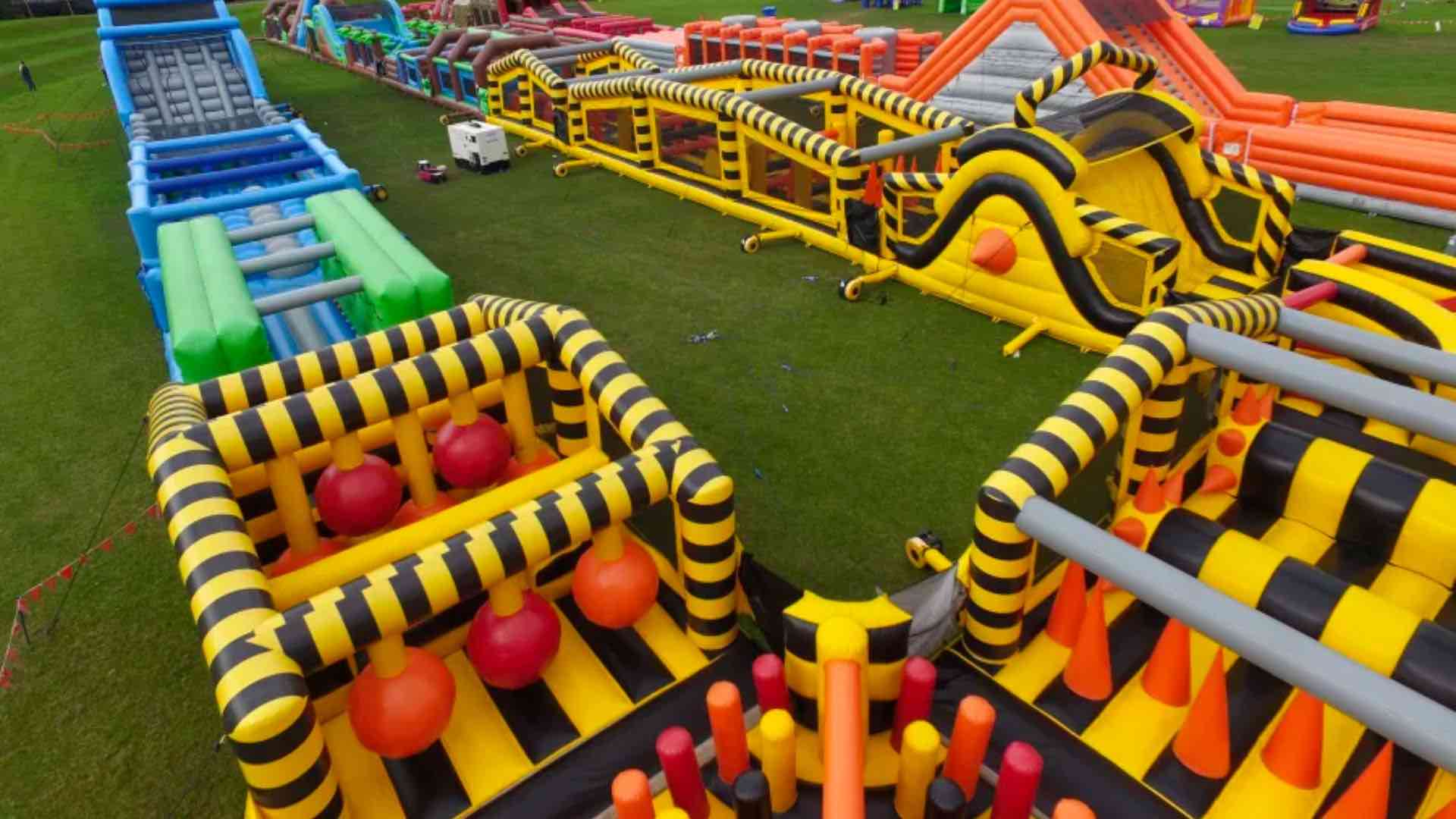
How to Create a Backyard Obstacle Course for Adults
A backyard obstacle course isn’t just for children. With a little planning, adults can turn an outdoor space into a fun, challenging way to build strength, balance, coordination and stamina. Whether you want a lively weekend activity or a regular training circuit, a course can be adapted to suit your garden, fitness level and budget.
Plan your course
Start by measuring the available space and checking the ground. Choose a route that allows people to move safely between obstacles without crossing paths or running into walls, fences, trees or garden furniture. A simple loop is often easier to manage than a course with sharp turns.
Think about the people who will use it, too. Beginners may prefer low-impact challenges, while experienced participants might enjoy timed runs or more demanding strength exercises. Aim for variety rather than making every obstacle difficult.
Ideas for adult-friendly obstacles
- Agility ladder: Use a purpose-made ladder or mark out squares with chalk or tape for quick-footwork drills.
- Low hurdles: Set out soft, stable hurdles to step over or weave around. Keep them low enough to reduce the risk of trips.
- Balance station: Walk along a wide, low beam or a securely positioned plank. Avoid raised or unstable structures.
- Medicine-ball carry: Carry a suitable weight around a marker and back. Choose a load that allows you to maintain good posture.
- Crawl section: Use a low, open frame or simply mark out a short area for crawling. Check carefully for sharp edges and overhead hazards.
- Step-ups: Use a sturdy, non-slip platform designed to support your weight.
- Shuttle run: Place two cones several metres apart and run, jog or walk between them.
- Target throw: Throw soft balls or beanbags at a large target before moving to the next station.
Choose safe equipment
Use equipment made for exercise or outdoor use, and check its weight limits and instructions. Secure anything that could tip, slide or roll. Avoid makeshift climbing frames, slippery surfaces and obstacles that require jumping from height. If you install permanent equipment, follow the manufacturer’s guidance and consider having it fitted professionally.
Before each session, inspect the course for loose fixings, splinters, sharp edges, standing water and other hazards. Keep the route clear of hoses, toys and garden tools. A soft, even surface such as grass can be more forgiving than concrete, but it should still be checked for holes or uneven patches.
Build a balanced circuit
A good course alternates between different kinds of movement. For example, follow a shuttle run with a balance challenge, then add a carry, a low crawl and a target throw. This keeps the activity engaging and avoids placing too much emphasis on one type of exercise.
To begin, complete the course at a comfortable pace and focus on controlled movement. As fitness and confidence improve, you can add another lap, adjust the distance between markers or set a time limit. Change only one element at a time so the course remains manageable.
Warm up and adapt the challenge
Spend five to ten minutes warming up with easy walking or jogging, gentle mobility exercises and a few practice movements. Start with a version of each obstacle that feels comfortable. Anyone returning to exercise, managing an injury or living with a health condition may wish to seek advice from a qualified health professional before taking on strenuous challenges.
Make the course inclusive by offering alternatives. A fast run can become a brisk walk; a jump can become a step-over; and a heavy carry can be replaced with a lighter object. The aim is to make the course challenging without making it unsafe.
Make it enjoyable
Use cones, chalk or garden markers to make the route easy to follow. You could run the course individually, work in pairs or take turns timing one another. For a social event, try a team relay or a points-based challenge that rewards accuracy and good technique as well as speed.
Keep water nearby, wear supportive footwear and stop if you feel unwell or experience pain. In hot weather, exercise during cooler parts of the day; after rain, check that the ground and equipment are not slippery. Store portable equipment safely when the course is not in use.
A course that grows with you
The best backyard obstacle course is one you can use regularly and adjust over time. Start with a few simple stations, learn what works in your space and add equipment only when you need it. With sensible planning, a safe set-up and a bit of imagination, your garden can become a practical and enjoyable training space for adults of different ages and fitness levels.
Creating and Understanding Backyard Obstacle Courses for Adults: A Guide
- What is an obstacle course for adults?
- How do I build an obstacle course in my backyard?
- How do you make a homemade obstacle course?
- What is backyard obstacle course?
What is an obstacle course for adults?
An obstacle course for adults is a series of physical challenges arranged along a route, designed to test and develop skills such as strength, balance, agility, coordination and stamina. It might include activities such as weaving between cones, stepping over low hurdles, crawling beneath a safely positioned barrier or carrying a suitable weight. Courses can be set up in a garden, park or indoor space and adapted to suit different fitness levels, abilities and goals.
How do I build an obstacle course in my backyard?
To build an obstacle course in your backyard, first measure the space and plan a clear route on level ground, keeping it away from hazards such as walls, sharp edges and garden tools. Add a mix of simple challenges—such as cones to weave around, low hurdles to step over, a balance station and a shuttle run—using sturdy, weather-appropriate equipment that is securely positioned. Check the course for slippery patches or loose parts before each use, and adapt the obstacles to your fitness level. Begin with a warm-up and try the course at a comfortable pace before making it more challenging.
How do you make a homemade obstacle course?
To make a homemade obstacle course, plan a clear route around your garden and use sturdy, everyday items to create a mix of challenges. Set out cones or bottles to weave around, lay a rope on the ground to follow, use a stable step for step-ups, and add a soft-ball target throw or a low crawl beneath a securely supported table. Keep obstacles on level, non-slip ground, leave plenty of space between them, and avoid anything sharp, unstable or high enough to cause a dangerous fall. Start with an easy circuit, check each obstacle before use, and adapt the challenges to suit everyone’s fitness and ability.
What is backyard obstacle course?
A backyard obstacle course is a series of physical challenges set up outdoors, usually in a garden or other private outdoor space. For adults, it might include activities such as weaving between cones, stepping over low hurdles, balancing, crawling or carrying a light weight. The course can be tailored to the space available and the participants’ fitness levels, making it a fun way to exercise, practise coordination or enjoy a friendly challenge.