
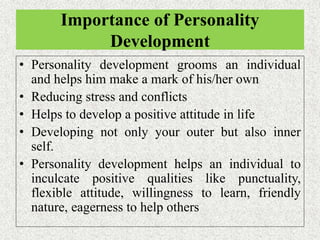
Communication Skills in Personality Development
Personality development is not about changing who you are to fit everyone else. It is about understanding yourself, building confidence and learning how to relate to others more effectively. Communication skills play an important part in this process. The way we listen, speak and respond can shape our relationships, influence how others see us and help us express our ideas with confidence.
What are communication skills?
Communication is more than choosing the right words. It includes listening carefully, using body language, recognising tone of voice and adapting what we say to suit the situation. Good communication also involves being clear and respectful, while remaining open to other people’s perspectives.
These skills can be developed over time. They do not require an outgoing personality: quiet, reflective people can be excellent communicators too.
How communication supports personality development
It builds self-confidence
Being able to express thoughts and feelings clearly can make everyday interactions feel less daunting. As people practise speaking up, asking questions and sharing ideas, they often become more comfortable taking part in conversations and new situations. Confidence grows through experience—not by getting every interaction perfect.
It strengthens self-awareness
Communication encourages us to notice how we respond to others. For example, we might recognise that we interrupt when nervous, avoid difficult conversations or struggle to explain what we need. Reflecting on these habits can help us understand our emotions and choose more considered responses.
It improves relationships
Healthy relationships rely on people feeling heard and respected. Active listening, empathy and honest conversation can reduce misunderstandings and help build trust. When disagreements arise, calm and respectful communication makes it easier to focus on the issue rather than attacking the person.
It helps with personal and professional growth
Whether taking part in a meeting, working with a team, interviewing for a job or making a new connection, communication skills help people share their strengths and learn from others. They can also make it easier to give and receive feedback, set boundaries and ask for support.
Key communication skills to develop
- Active listening: Give the speaker your attention, avoid interrupting and ask questions to check your understanding.
- Clear expression: Organise your thoughts and use straightforward language. Aim to be concise without leaving out important details.
- Empathy: Try to understand another person’s feelings or point of view, even when you do not agree.
- Assertiveness: Share your opinions, needs and boundaries clearly while respecting the rights of others.
- Non-verbal awareness: Notice how facial expressions, posture, gestures and tone may affect the message you are communicating.
- Emotional regulation: When a conversation becomes difficult, pause before responding and choose words that reflect what you want to achieve.
- Adaptability: Consider your audience and the context. A conversation with a colleague may call for a different approach from one with a close friend.
Practical ways to improve
Communication develops through regular practice. Start by listening without planning your reply while someone else is speaking. When you do respond, summarise what you have heard before adding your own view. This simple habit can help prevent misunderstandings.
You could also practise expressing opinions in low-pressure situations, such as contributing an idea during a group discussion or asking for clarification when something is unclear. If you find difficult conversations challenging, prepare the main points you want to make and think about the outcome you hope to achieve.
After an important interaction, reflect on what went well and what you might do differently next time. The aim is not to judge yourself harshly, but to learn. Feedback from someone you trust can also reveal habits you may not notice on your own.
Communication is a two-way process
Strong communication is not simply about speaking persuasively. It involves making room for other people, being willing to reconsider an assumption and recognising that misunderstandings can happen. A thoughtful communicator is not someone who always has the perfect response; it is someone who tries to be clear, attentive and respectful.
Conclusion
Communication skills can make a meaningful contribution to personality development. They help people express themselves, understand others and build stronger relationships. By practising active listening, empathy, clarity and assertiveness, anyone can become a more confident and considerate communicator—while remaining true to their own personality.
Enhancing Personality Development: 9 Essential Communication Skills
- Listen actively before responding.
- Speak clearly and at a steady pace.
- Choose words that suit your audience.
- Use open, confident body language.
- Ask thoughtful questions.
- Share your ideas respectfully.
- Accept feedback with an open mind.
- Practise empathy in conversations.
- Reflect on how you communicate.
Listen actively before responding.
Listening actively before responding is an important communication skill that helps build understanding and trust. Give the speaker your full attention, avoid interrupting and take a moment to consider what they mean before sharing your own thoughts. Asking a thoughtful question or briefly summarising their point can show that you have listened carefully and help prevent misunderstandings. This habit also encourages patience, empathy and more confident, respectful conversations.
Speak clearly and at a steady pace.
Speak clearly and at a steady pace to help others follow your ideas and understand your message. Rushing can make you harder to understand, while speaking too slowly may cause listeners to lose focus. Take a breath, pronounce your words carefully and pause briefly between key points. This small habit can make you sound more confident and composed, while giving you time to organise your thoughts.
Choose words that suit your audience.
Choose words that suit your audience to make your message clear, relevant and respectful. Consider who you are speaking to, what they already know and the situation you are in. For example, use plain language when explaining a complex idea, and avoid unfamiliar jargon unless you know your audience understands it. Adapting your words does not mean changing your views; it means expressing them in a way others can understand, helping you communicate with greater confidence and build stronger relationships.
Use open, confident body language.
Using open, confident body language can help you feel more self-assured and make others feel at ease. Stand or sit comfortably with an upright posture, keep your arms uncrossed and use natural eye contact and gestures. These small signals can show that you are engaged and approachable, helping you express yourself more clearly and build positive connections. Aim to be relaxed and genuine rather than forcing a pose, as confidence comes across best when your body language feels natural.
Ask thoughtful questions.
Asking thoughtful questions is a simple way to strengthen communication and support personal growth. Instead of focusing only on what to say next, show genuine interest in the other person’s ideas by asking open-ended questions such as “What did you find most useful?” or “How did you come to that conclusion?” This encourages more meaningful conversations, helps you understand different perspectives and shows that you are listening. Over time, thoughtful questions can build confidence, empathy and stronger relationships.
Share your ideas respectfully.
Sharing your ideas respectfully helps you express yourself with confidence while making space for other people’s views. Speak clearly, choose considerate language and explain your reasons without dismissing or interrupting others. If someone disagrees, listen with an open mind and respond thoughtfully. This approach encourages constructive conversations, builds trust and supports personal growth.
Accept feedback with an open mind.
Accepting feedback with an open mind is an important part of developing strong communication skills and a confident personality. Rather than reacting defensively, listen carefully, ask questions if something is unclear and consider whether the advice could help you improve. You do not have to agree with every comment, but responding calmly and thoughtfully shows self-awareness and respect. Over time, constructive feedback can help you recognise your strengths, work on areas for growth and communicate more effectively with others.
Practise empathy in conversations.
Practising empathy in conversations means making a genuine effort to understand another person’s feelings and point of view, even when they differ from your own. Listen without interrupting, ask thoughtful questions and acknowledge what the other person has shared before offering your opinion. This helps people feel heard and respected, strengthens relationships and encourages you to respond with greater patience and self-awareness—qualities that support positive personality development.
Reflect on how you communicate.
Reflecting on how you communicate helps you understand the habits that shape your conversations and relationships. After an interaction, consider whether you listened attentively, expressed your thoughts clearly and responded calmly, as well as how your tone and body language may have affected the exchange. Notice what went well and what you might try differently next time, without judging yourself harshly. This regular self-reflection can build self-awareness, strengthen confidence and help you communicate with greater empathy and purpose.