
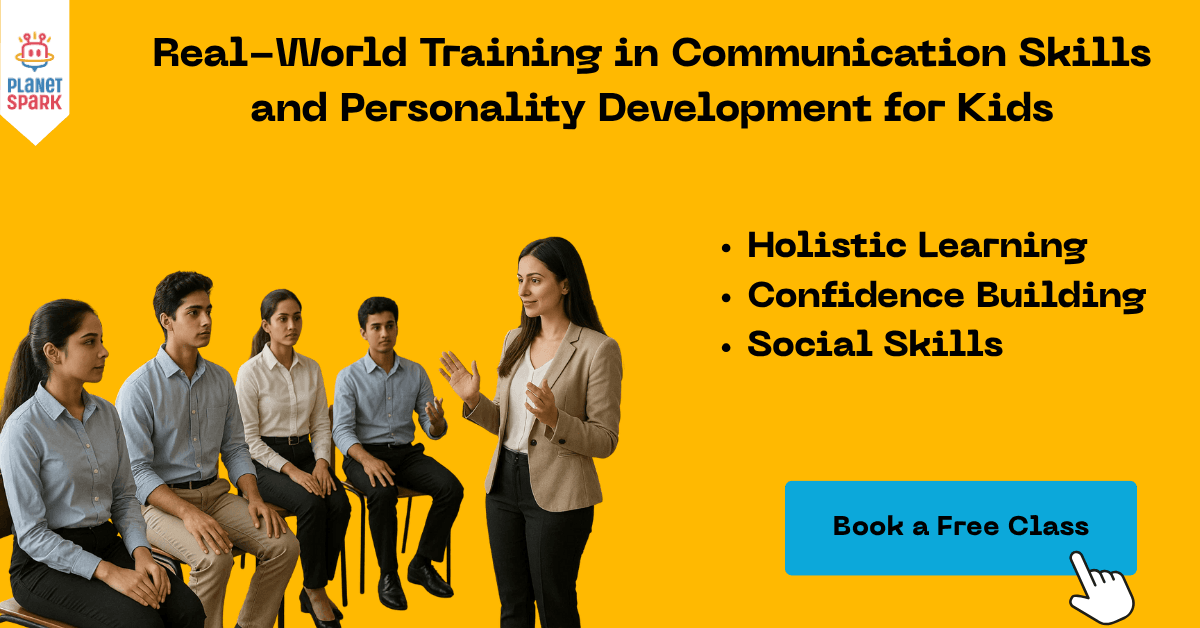
Communication Skills and Personality Development
Communication is part of almost everything we do: sharing ideas at work, building friendships, resolving disagreements and expressing what matters to us. The way we communicate can shape how others understand us, while our experiences and personal growth can influence how we communicate in return. Developing communication skills is therefore an important part of personal development.
What are communication skills?
Communication involves more than speaking clearly. It includes listening, asking questions, understanding non-verbal signals and choosing language that suits the situation. Strong communicators express their thoughts in a way others can follow, while remaining open to different viewpoints.
Key communication skills include:
- Active listening: giving someone your attention, avoiding interruptions and checking that you have understood their meaning.
- Clear expression: organising your thoughts and using straightforward language.
- Non-verbal awareness: noticing tone of voice, facial expressions, posture and gestures.
- Empathy: considering how another person may feel, even when you see things differently.
- Assertiveness: expressing your needs and boundaries respectfully, without dismissing someone else’s.
- Adaptability: adjusting your approach to the audience, setting and purpose of the conversation.
How communication supports personal development
Personality development is not about becoming someone else or fitting a particular ideal. It is about understanding yourself, building useful habits and choosing how you want to respond to the world. Communication can support this process in several ways.
First, expressing thoughts and feelings can help you understand them more clearly. Talking through a decision, writing down your ideas or asking for feedback may reveal what you value and where you would like to grow.
Second, good communication helps build confidence. Confidence does not mean always having the perfect words; it means being willing to take part, ask for clarification and share your perspective. With practice, conversations that once felt difficult can become easier to manage.
Finally, communication helps us form and maintain relationships. Listening with care, acknowledging other people’s experiences and speaking honestly can strengthen trust. These relationships can, in turn, offer encouragement and constructive feedback that support personal growth.
Practical ways to improve
Listen before responding
When someone is speaking, focus on their message rather than planning your reply. If something is unclear, ask a calm, open question. You might say, “Could you tell me a little more about what you mean?” This shows interest and reduces the chance of misunderstanding.
Think about your purpose
Before an important conversation, consider what you hope to achieve. Are you sharing information, asking for help, solving a problem or setting a boundary? A clear purpose can help you choose your words and stay focused.
Practise expressing yourself
Try explaining an idea in a few sentences, or rehearse a conversation that you find challenging. For sensitive topics, using “I” statements can help you describe your experience without blaming others. For example: “I feel concerned when plans change at short notice, because I need time to organise my day.”
Notice non-verbal communication
Body language and tone can affect how a message is received. Aim for a relaxed posture and a tone that matches what you mean. Remember that non-verbal cues vary between people and cultures, so it is better to ask than to assume what someone’s gesture means.
Invite useful feedback
Ask someone you trust for specific feedback. Instead of asking, “Am I good at communicating?”, try, “Was my explanation clear?” or “Is there anything I could have handled differently in that conversation?” Treat feedback as information to consider, rather than a judgement of your character.
Handling difficult conversations
Disagreements are a normal part of life. The aim is not to avoid every conflict, but to handle it constructively. Choose an appropriate time and place, describe the issue calmly, and listen to the other person’s perspective. If emotions are running high, it may help to pause and return to the discussion when both people are ready.
It is also important to recognise that effective communication is a shared responsibility. You can speak respectfully and clearly, but you cannot control how another person responds. Setting boundaries and seeking support may be necessary when a conversation feels unsafe or persistently unproductive.
Growth through everyday conversations
Communication skills develop over time, through attention and practice. Each conversation offers a chance to listen more carefully, express yourself more clearly or respond with greater patience. Small improvements can make a meaningful difference to relationships, confidence and the way you approach challenges.
By treating communication as a skill that can be learned, rather than a fixed personality trait, you can make steady progress while remaining true to yourself. The goal is not to speak perfectly, but to connect more thoughtfully—with other people and with your own values.
Enhancing Confidence and Growth: The Benefits of Communication Skills and Personality Development
- Builds confidence in everyday interactions.
- Strengthens personal and professional relationships.
- Encourages active listening and empathy.
- Helps resolve disagreements constructively.
- Makes it easier to express ideas clearly.
- Supports self-awareness and personal growth.
Challenges in Communication Skills and Personality Development: Patience, Anxiety, Discomfort, Habitual Change, and Miscommunication
- Improvement takes time and consistent practice.
- Overthinking conversations can increase anxiety.
- Direct communication may feel uncomfortable at first.
- Personality growth can challenge familiar habits.
- Miscommunication can still happen despite good skills.
Builds confidence in everyday interactions.
Strong communication skills can build confidence in everyday interactions by helping you express your thoughts clearly, ask questions and take part in conversations with greater ease. As you practise listening and responding thoughtfully, social situations may feel less daunting, whether you are meeting someone new, contributing at work or raising a concern. Over time, these small successes can strengthen your self-belief and help you feel more comfortable being yourself around others.
Strengthens personal and professional relationships.
Strong communication skills can strengthen both personal and professional relationships by helping people share ideas clearly, listen with care and understand one another’s perspectives. In personal life, this can build trust, deepen connections and make it easier to resolve misunderstandings. At work, respectful and confident communication supports teamwork, encourages collaboration and helps colleagues address challenges constructively. As people develop these skills, they often become more self-aware and considerate, making their relationships more positive and lasting.
Encourages active listening and empathy.
Strong communication skills encourage active listening and empathy by helping people focus on what others are saying, ask thoughtful questions and consider different perspectives. Rather than simply waiting to respond, an active listener seeks to understand the speaker’s feelings and meaning. This can build trust, reduce misunderstandings and strengthen relationships, while empathy helps people respond with greater care and respect. Over time, these habits also support personality development by nurturing patience, self-awareness and openness to others.
Helps resolve disagreements constructively.
Strong communication skills can help people resolve disagreements constructively by encouraging them to explain their views calmly, listen to one another and focus on the issue rather than making personal criticisms. Showing empathy and asking questions can reveal where misunderstandings have arisen, while respectful language makes it easier to find common ground. This also supports personality development by building patience, self-awareness and confidence in handling challenging conversations.
Makes it easier to express ideas clearly.
Strong communication skills make it easier to express ideas clearly and confidently. By organising your thoughts, choosing appropriate words and adapting your message to the audience, you can help others understand what you mean. This reduces misunderstandings and makes it easier to contribute in conversations, share suggestions and explain your point of view. With practice, clear expression can also build confidence and support personal development.
Supports self-awareness and personal growth.
Strong communication skills support self-awareness and personal growth by helping people express their thoughts, feelings and values more clearly. Through thoughtful conversations and constructive feedback, it becomes easier to recognise personal strengths, identify areas for development and understand how our behaviour affects others. This insight can help us make more considered choices, build confidence and develop in ways that feel authentic.
Improvement takes time and consistent practice.
Improving communication skills and developing your personality takes time and consistent practice. Progress may feel slow, and new habits—such as listening more actively or expressing yourself confidently—can be difficult to maintain at first. Setbacks are a normal part of learning, so patience and regular effort are essential; expecting immediate change may lead to frustration or discourage you from continuing.
Overthinking conversations can increase anxiety.
Overthinking conversations can increase anxiety, particularly when you repeatedly replay what you said or worry about how someone interpreted it. This can make ordinary interactions feel more stressful and lead you to imagine problems that may not exist. Reflecting on a conversation can be useful, but dwelling on every detail is unlikely to change what happened. Try to focus on what you can learn, accept that misunderstandings sometimes occur, and bring your attention back to the present.
Direct communication may feel uncomfortable at first.
Direct communication may feel uncomfortable at first, particularly for people who are used to avoiding conflict or putting others’ needs before their own. Expressing an opinion, asking for what you need or setting a boundary can seem daunting, and may be mistaken for being rude or confrontational. With practice, however, direct communication can become more natural: speaking clearly and respectfully helps reduce misunderstandings and supports healthier relationships.
Personality growth can challenge familiar habits.
Personality growth can challenge familiar habits, even when those habits feel comfortable or safe. Becoming more assertive, open or willing to try new things may initially feel awkward and can unsettle routines or relationships. Change takes time, so it helps to set realistic goals, practise small steps and treat setbacks as part of the learning process.
Miscommunication can still happen despite good skills.
Even with strong communication skills, misunderstandings can still happen. People may interpret words, tone or body language differently because of their experiences, expectations or cultural backgrounds. Noise, stress and rushed conversations can also affect how a message is received. Recognising this helps us respond with patience: ask questions, clarify what we mean and check that we have understood one another, rather than assuming communication will always go perfectly.