
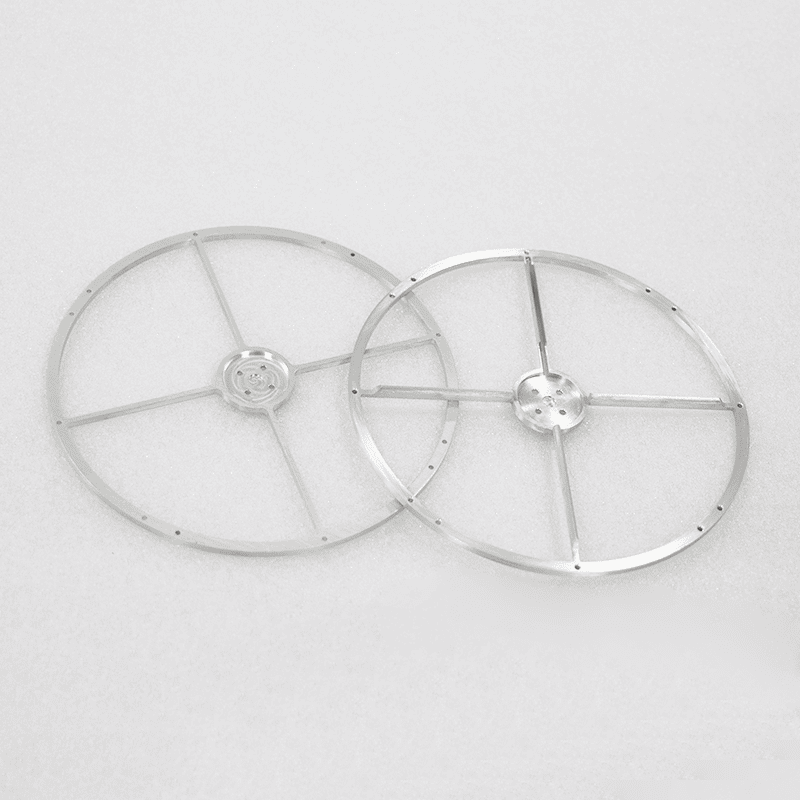
Aerospace CNC Machined Parts: Precision for Flight
Aerospace components must perform reliably in some of the most demanding environments on earth—and beyond it. They may face vibration, pressure changes, extreme temperatures and repeated mechanical loads, while being subject to strict weight and safety requirements. Computer numerical control (CNC) machining helps manufacturers produce the precise, consistent parts needed for aircraft, spacecraft and their supporting systems.
What are aerospace CNC machined parts?
Aerospace CNC machined parts are components shaped from solid material using computer-controlled tools. A digital design guides operations such as milling, turning, drilling and grinding. Depending on the part, machining can remove material from a block, bar or billet to create detailed features and accurate dimensions.
Typical examples include brackets, housings, fittings, shafts, valves, panels, structural connectors and components for engines, landing gear and flight-control systems. Some parts are relatively simple; others have complex contours, thin walls or closely spaced features.
Why CNC machining is used in aerospace
Precision is essential in aerospace manufacturing. Components often need to fit precisely with other parts, and even small dimensional differences can affect assembly or performance. CNC equipment can follow detailed tool paths repeatedly, helping manufacturers achieve consistent results across production runs.
The process is also suitable for complex geometries. Multi-axis machines can cut features from several angles, sometimes completing work that would otherwise require multiple set-ups. Fewer set-ups can reduce handling and help maintain accuracy between features.
CNC machining is particularly useful for prototypes, specialised components and low- to medium-volume production. Design updates can often be introduced by revising the digital model or machining programme, rather than producing new tooling.
Materials used for aerospace components
The material is selected according to the component’s purpose, operating conditions, weight requirements and applicable specifications. Common choices include:
- Aluminium alloys: valued for their relatively low weight, machinability and useful strength-to-weight ratio. They are used in a range of structural and non-structural components.
- Titanium alloys: chosen where high strength, corrosion resistance and performance at elevated temperatures are important. Titanium can be more challenging to machine than aluminium, so tool selection and heat management matter.
- Stainless and alloy steels: used where strength, wear resistance or durability is required, including in certain fittings and mechanical components.
- High-temperature alloys: materials such as nickel-based alloys are used in demanding applications, including some engine-related parts. Their properties can make machining more difficult.
- Engineering plastics and composites: used for selected lightweight, insulating or non-structural applications, subject to design and performance requirements.
From design to finished part
Production typically begins with a technical drawing or three-dimensional CAD model. Engineers and machinists review the geometry, material, tolerances and surface requirements, then plan how to produce the component. This includes choosing the machine, cutting tools, workholding method and sequence of operations.
During machining, the workpiece is securely held while cutting tools remove material according to the programmed instructions. Depending on the design, several operations or machines may be required. Deburring, cleaning and surface treatments may follow, before the part is inspected and prepared for delivery.
Good planning is important. Features that are difficult to access, very thin sections and unnecessarily tight tolerances can add complexity. Early communication between the design and manufacturing teams can help identify practical improvements without compromising the part’s function.
Quality control and traceability
Aerospace manufacturing places strong emphasis on documented processes and verification. Inspection methods are chosen to suit the component and its requirements. They may include dimensional checks with precision instruments, coordinate measuring machine inspection, surface-finish measurement and non-destructive testing where appropriate.
Records can also be needed to demonstrate material identity, process history and inspection results. Traceability helps manufacturers and customers understand how a part was produced and verify that it meets the agreed requirements. The exact quality system and approvals required depend on the customer, programme and intended application.
Challenges in aerospace CNC machining
Producing aerospace parts involves balancing several demands. Tight tolerances must be achieved without creating unnecessary manufacturing difficulty. Lightweight designs can include thin walls that are more susceptible to vibration or distortion during cutting. Difficult-to-machine materials may cause increased tool wear and require careful control of cutting conditions.
Manufacturers must also manage material use. Machining a complex component from a solid billet can generate substantial offcuts, particularly when the finished part has a low material-to-part ratio. Efficient tool paths, careful process planning and, where suitable, alternative manufacturing methods can help reduce waste.
Choosing a manufacturing partner
When sourcing aerospace CNC machined parts, consider more than the machine list. Relevant factors include experience with the specified material, inspection capability, process documentation, traceability arrangements and the ability to meet delivery requirements. It is also useful to discuss drawings, tolerances and inspection expectations before production begins.
A capable supplier should be able to explain how the component will be manufactured, identify potential risks and clarify what evidence will be provided with the finished parts. Clear communication helps prevent misunderstandings and supports consistent production.
Conclusion
Aerospace CNC machining combines digital design, skilled process planning and precise cutting to produce components for aircraft and spacecraft systems. Its flexibility makes it suitable for intricate designs, prototypes and specialised production, while robust inspection and traceability help verify that parts meet their requirements. As aerospace designs continue to evolve, CNC machining remains an important method for producing reliable, high-precision components.
Key Insights into Aerospace CNC Machined Parts: Materials, Tolerances, Components, Quality Assurance, Standards, and Production Timelines
- What materials are commonly used for aerospace CNC machined parts?
- What tolerances can aerospace CNC machining achieve?
- Which aerospace components can be made using CNC machining?
- How do manufacturers ensure the quality and traceability of aerospace machined parts?
- What certifications and quality standards should an aerospace CNC machining supplier meet?
- How long does it take to manufacture aerospace CNC machined parts?
What materials are commonly used for aerospace CNC machined parts?
Common materials for aerospace CNC machined parts include aluminium alloys, valued for their low weight and good strength-to-weight ratio; titanium alloys, chosen for their strength, corrosion resistance and ability to withstand high temperatures; and stainless or alloy steels, used where durability and wear resistance are important. Nickel-based superalloys may be selected for components exposed to extreme heat, while engineering plastics and composites are used in suitable lightweight or non-structural applications. The best material depends on the part’s function, operating conditions, weight limits and relevant specifications.
What tolerances can aerospace CNC machining achieve?
Aerospace CNC machining can achieve tolerances of around ±0.01 mm on selected features, and tighter limits may be possible in specific circumstances; however, achievable accuracy depends on the material, part geometry, size, machining process and inspection method. Complex parts, thin walls and temperature-sensitive materials can make tight tolerances harder to maintain across an entire component. The required tolerances should therefore be specified on the engineering drawing, with critical dimensions identified separately and confirmed with the manufacturer before production.
Which aerospace components can be made using CNC machining?
CNC machining can produce a wide range of aerospace components, including structural brackets, housings, panels, fittings, shafts, valves and precision connectors. It is also used for parts in engines, landing gear and flight-control systems, provided the design and material are suitable for the process. The final choice depends on the component’s function, required tolerances, operating conditions and relevant quality requirements.
How do manufacturers ensure the quality and traceability of aerospace machined parts?
Manufacturers ensure the quality and traceability of aerospace machined parts through documented production procedures, rigorous inspection and clear records at every stage. They verify material certifications and batch details, monitor machining processes, and check finished parts against specified dimensions and surface requirements using calibrated measuring equipment and, where needed, non-destructive testing. Inspection results, process records and part identification are retained so each component can be linked to its materials, manufacturing history and verification checks. Requirements vary by customer and application, so manufacturers follow the relevant quality standards and approval processes for each programme.
What certifications and quality standards should an aerospace CNC machining supplier meet?
Aerospace CNC machining suppliers are commonly expected to hold AS9100 certification, the quality management standard for aviation, space and defence organisations, based on ISO 9001. Depending on the customer, programme and location, additional approvals or requirements may apply, such as NADCAP accreditation for specific special processes, customer-specific approvals, and compliance with relevant regulatory and contractual requirements. Certification alone is not enough: check that the supplier can provide material certificates, traceability, inspection records, calibration controls and documented processes, and confirm that its approved scope covers the work required.
How long does it take to manufacture aerospace CNC machined parts?
The time needed to manufacture aerospace CNC machined parts depends on factors such as the part’s complexity, material availability, tolerances, order quantity and required surface treatments or inspections. A straightforward part made from readily available stock may take only a few days to machine, while complex components requiring specialist materials, extensive programming, multiple operations or detailed quality checks can take several weeks or longer. Lead times may also increase if design approval, certification or additional testing is required, so it is best to confirm the schedule with the manufacturer once the drawings and specifications are available.