
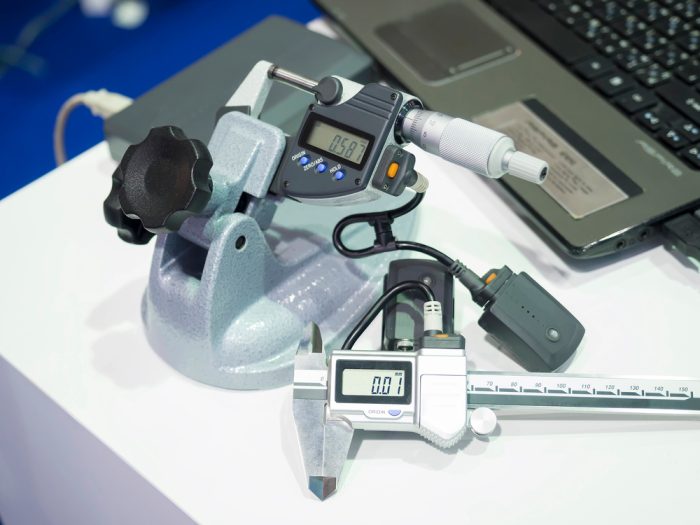
The Importance of Accuracy in Measuring Instruments
Accurate measurement is crucial in various fields, from science and engineering to healthcare and manufacturing. The reliability of data obtained from measuring instruments directly impacts the quality of decisions made based on that data.
Measuring instruments are designed to provide precise and consistent readings to ensure the integrity of experiments, processes, or products. Even the slightest deviation from the true value can lead to significant errors and potentially costly consequences.
For example, in a laboratory setting, inaccurate measurements can skew research results and render experiments invalid. In industries such as construction and manufacturing, precision measuring tools are essential for ensuring that products meet required specifications and standards.
Calibration is a critical process that helps maintain the accuracy of measuring instruments. By comparing the instrument’s readings to a known standard, any deviations can be identified and corrected to ensure reliable performance.
Regular maintenance and calibration schedules are necessary to prevent drift or inaccuracies in measuring instruments over time. Proper handling and storage also play a role in preserving the accuracy of these tools.
Investing in high-quality, accurate measuring instruments is essential for achieving consistent results and upholding standards of excellence. Whether it’s for scientific research, industrial applications, or everyday measurements, precision is key to success.
In conclusion, accuracy in measuring instruments is not just a matter of convenience but a fundamental requirement for ensuring reliability, quality, and integrity in various fields. By prioritising accuracy and regular calibration, we can trust the data obtained from these instruments and make informed decisions based on solid foundations.
Five Essential Tips for Ensuring Accuracy in Measuring Instruments
- Regularly calibrate measuring instruments to ensure accuracy.
- Handle measuring instruments with care to prevent damage that could affect accuracy.
- Use the correct measuring instrument for the specific type of measurement needed.
- Follow proper measurement procedures and techniques to improve accuracy.
- Store measuring instruments properly when not in use to maintain their accuracy.
Regularly calibrate measuring instruments to ensure accuracy.
Regularly calibrating measuring instruments is a crucial step in maintaining their accuracy and reliability. By comparing the instrument’s readings to a known standard through calibration, any deviations or inaccuracies can be identified and corrected promptly. This process helps to ensure that the measurements obtained are precise and consistent, allowing for dependable data collection and informed decision-making. Prioritising regular calibration of measuring instruments not only enhances their performance but also upholds the integrity of results across various fields, from scientific research to industrial applications.
Handle measuring instruments with care to prevent damage that could affect accuracy.
It is essential to handle measuring instruments with care to prevent any damage that could compromise their accuracy. Mishandling or rough treatment of these tools can lead to internal components becoming misaligned or damaged, resulting in inaccurate readings. By treating measuring instruments with the necessary care and attention, users can maintain their precision and reliability over time, ensuring that measurements remain accurate and trustworthy for consistent results in various applications.
Use the correct measuring instrument for the specific type of measurement needed.
To ensure accuracy in measuring instruments, it is essential to use the correct tool for the specific type of measurement required. Each measuring instrument is designed with unique capabilities and limitations, tailored to different parameters such as length, weight, temperature, or pressure. By selecting the appropriate instrument for the task at hand, users can obtain precise and reliable measurements that align with the intended purpose. Using the right measuring instrument not only enhances accuracy but also promotes efficiency and effectiveness in data collection and analysis.
Follow proper measurement procedures and techniques to improve accuracy.
By following proper measurement procedures and techniques, you can significantly enhance the accuracy of your measuring instruments. Adhering to established guidelines and best practices ensures that measurements are taken consistently and reliably, reducing the likelihood of errors or inaccuracies. Whether it involves calibrating the instrument correctly, using the appropriate methods for data collection, or maintaining a controlled environment for measurements, attention to detail in procedures can lead to more precise and trustworthy results.
Store measuring instruments properly when not in use to maintain their accuracy.
Proper storage of measuring instruments when not in use is essential to preserve their accuracy and reliability. Exposure to harsh conditions, dust, or improper handling can lead to damage or calibration drift, affecting the instrument’s precision. By storing measuring tools in a clean, dry environment and following manufacturer’s guidelines, we can ensure that they remain in optimal condition for accurate measurements when needed. Taking care of our instruments during storage is a simple yet crucial step towards maintaining their performance and longevity.