
The Importance of Accuracy, Precision, and Resolution
When it comes to measurements and data analysis, accuracy, precision, and resolution play crucial roles in ensuring the reliability and validity of results. Let’s delve into the significance of each of these factors:
Accuracy
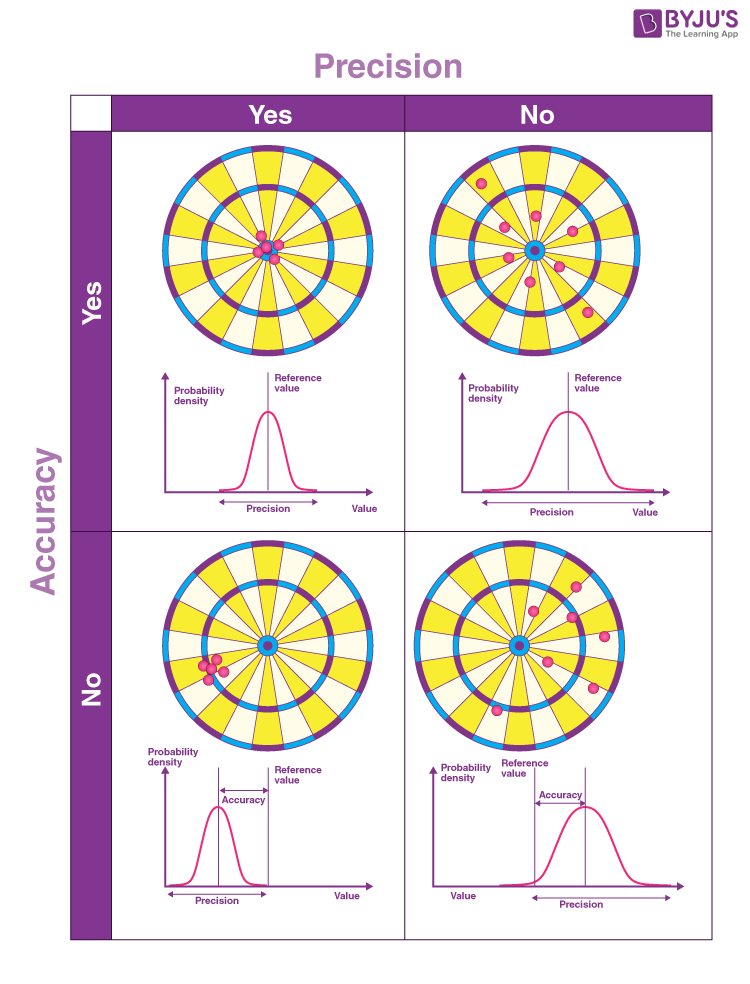
Accuracy refers to how close a measured value is to the true or accepted value. In other words, accuracy indicates the correctness of a measurement. Achieving high accuracy involves minimising errors and uncertainties in the measurement process. It is essential in fields such as science, engineering, and healthcare where precise measurements are vital for making informed decisions.
Precision
Precision focuses on the consistency and repeatability of measurements. A precise measurement yields similar results when repeated under the same conditions. Precision is crucial for detecting small changes in data points and distinguishing between variations. In scientific experiments and quality control processes, precision ensures that results are reliable and reproducible.
Resolution
Resolution refers to the smallest increment by which a measuring device can detect or display a change in quantity. It determines the level of detail or granularity in measurements. Higher resolution enables finer distinctions between values, leading to more accurate data analysis. In digital imaging, for example, resolution affects image clarity and sharpness.
In conclusion, accuracy ensures that measurements are correct, precision guarantees consistency in results, and resolution determines the level of detail captured in data. By understanding and optimising accuracy, precision, and resolution in measurements, researchers, engineers, and analysts can enhance the quality and reliability of their work.
Five Essential Tips for Enhancing Accuracy, Precision, and Resolution in Measurements
- Ensure your measuring instrument is calibrated regularly to maintain accuracy.
- Use the appropriate number of significant figures to improve precision in your measurements.
- Understand the limitations of your equipment’s resolution to avoid misleading results.
- Take multiple measurements and calculate the average to increase accuracy.
- Consider the smallest increment that can be measured by your device when determining resolution.
Ensure your measuring instrument is calibrated regularly to maintain accuracy.
To uphold the integrity of your measurements, it is crucial to ensure that your measuring instrument undergoes regular calibration. Calibration plays a pivotal role in maintaining accuracy by aligning the instrument’s readings with known standards. By calibrating your equipment at scheduled intervals, you can mitigate the risk of errors and uncertainties that may compromise the precision of your measurements. This proactive approach not only enhances the reliability of your data but also ensures that your results remain consistent and trustworthy over time.
Use the appropriate number of significant figures to improve precision in your measurements.
To enhance precision in your measurements, it is essential to utilise the appropriate number of significant figures. By selecting the correct number of significant figures, you can capture the necessary level of detail in your data without introducing unnecessary inaccuracies. This practice not only improves the reliability of your measurements but also ensures that your results are communicated effectively, reflecting the true precision of your work.
Understand the limitations of your equipment’s resolution to avoid misleading results.
To prevent misleading outcomes, it is crucial to grasp the constraints of your equipment’s resolution. By acknowledging the limitations of the device’s ability to detect and display changes in measurements, you can make informed decisions about the level of detail and accuracy achievable in your data analysis. Being aware of your equipment’s resolution ensures that you interpret results accurately and avoid drawing erroneous conclusions based on data that may not provide a complete picture.
Take multiple measurements and calculate the average to increase accuracy.
Taking multiple measurements and calculating the average is a valuable tip to enhance accuracy in data collection. By repeating measurements and deriving an average value, you can reduce the impact of random errors and outliers, resulting in a more precise representation of the true value. This approach increases reliability and minimises the influence of individual measurement variations, ultimately improving the overall accuracy of your results. Embracing this method ensures that your data is more robust and dependable for making informed decisions and drawing meaningful conclusions.
Consider the smallest increment that can be measured by your device when determining resolution.
When evaluating resolution, it is essential to consider the smallest increment that your device can measure accurately. This factor directly impacts the level of detail and precision in your data analysis. By understanding and taking into account the device’s capabilities in detecting minute changes, you can ensure that your measurements are reliable and provide a comprehensive view of the data. Paying attention to the smallest measurable increment enhances the accuracy of your results and enables you to make informed decisions based on precise information.
My brother recommended I might like this blog.
He was entirely right. This post actually made my day.
You cann’t imagine just how much time I had spent for this information! Thanks!
Honestly, I’ve looking into this unique niche and your take on 2026
embroidery is incredible. Appreciate the detail!