
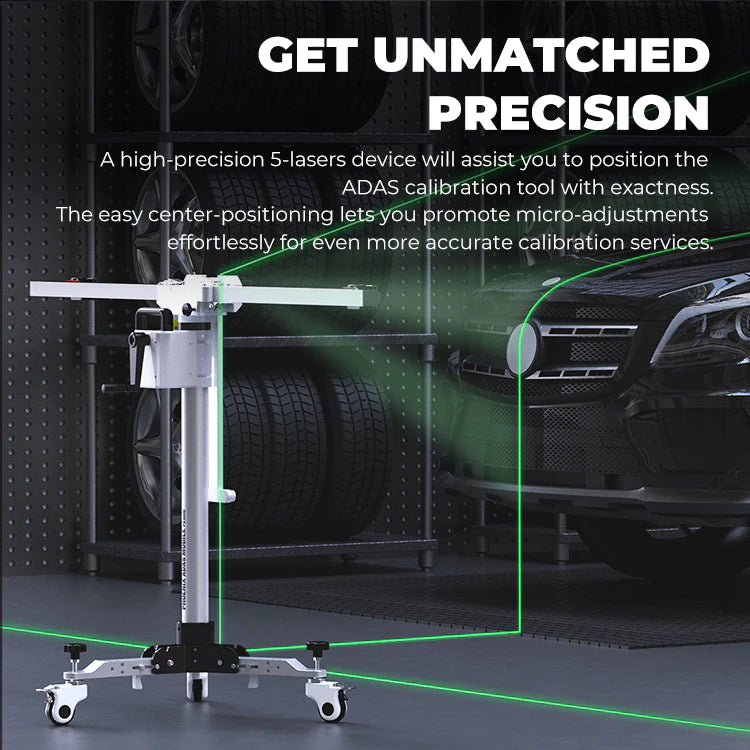
The Importance of Accurate Calibration
Calibration is a crucial process in various industries that ensures the accuracy and reliability of measurement instruments and equipment. Accurate calibration is essential for maintaining consistency, quality control, and compliance with industry standards.
When instruments are calibrated correctly, they provide precise and reliable measurements, which are vital for making informed decisions, conducting experiments, and ensuring product quality. Inaccurate measurements can lead to costly errors, production delays, and compromised safety.
Accurate calibration also plays a significant role in meeting regulatory requirements and standards set by governing bodies. Many industries, such as healthcare, aerospace, automotive, and manufacturing, have strict guidelines regarding the calibration of equipment to guarantee accuracy and consistency in operations.
Regular calibration of instruments is necessary to detect any drift or deviations in measurement accuracy over time. By calibrating equipment at scheduled intervals, companies can identify potential issues early on and take corrective actions to prevent costly downtime or product recalls.
Choosing a reputable calibration service provider is crucial for ensuring accurate calibration results. Professional calibration labs use state-of-the-art equipment and follow strict procedures to calibrate instruments with precision. They provide detailed reports certifying the accuracy of measurements, which can be essential for audits or quality assurance purposes.
In conclusion, accurate calibration is indispensable for maintaining the integrity of measurements, ensuring compliance with industry standards, and upholding quality control processes. By prioritising accurate calibration practices, businesses can enhance efficiency, reduce risks, and maintain a competitive edge in today’s fast-paced industries.
Understanding Calibration: Accuracy, Definitions, Types, and Differences Between Accuracy and Precision
- What is calibration accuracy?
- What do you mean by calibration?
- What are the two types of calibration?
- What is the difference between accuracy and precision calibration?
What is calibration accuracy?
Calibration accuracy refers to the degree of precision and reliability with which a measurement instrument or device is calibrated to ensure that it provides consistent and correct readings. It involves comparing the output of the instrument being calibrated to a known reference standard and making necessary adjustments to eliminate any discrepancies. Calibration accuracy is essential for guaranteeing that measurements are reliable, traceable, and compliant with industry standards. By achieving calibration accuracy, businesses can trust the integrity of their measurement data, make informed decisions based on accurate information, and maintain quality control processes effectively.
What do you mean by calibration?
Calibration is the process of comparing the measurements of an instrument or device to a known standard to determine its accuracy. It involves adjusting the instrument to ensure that it provides precise and reliable measurements within an acceptable margin of error. Calibration is essential for verifying the performance of equipment, maintaining consistency in measurements, and ensuring compliance with industry standards. By calibrating instruments regularly, businesses can trust the accuracy of their measurements, make informed decisions based on reliable data, and uphold quality control processes effectively.
What are the two types of calibration?
There are two primary types of calibration: internal calibration and external calibration. Internal calibration involves using built-in reference standards or procedures within the instrument itself to verify and adjust its accuracy. On the other hand, external calibration requires sending the instrument to a certified calibration lab or technician for precise adjustments and verification against traceable standards. Both types of calibration are essential for ensuring the accuracy and reliability of measurement instruments in various industries.
What is the difference between accuracy and precision calibration?
In the realm of calibration, understanding the distinction between accuracy and precision is crucial. Accuracy refers to how close a measured value is to the true value of a quantity, reflecting the overall correctness of the measurement. On the other hand, precision relates to the consistency and repeatability of measurements, indicating how closely individual measurements agree with each other. In calibration, achieving both accuracy and precision is paramount for ensuring reliable and trustworthy measurement results. While accuracy ensures that measurements are close to the actual value being measured, precision focuses on the consistency and reliability of those measurements over multiple trials. Striking a balance between accuracy and precision calibration is essential for maintaining quality control, meeting industry standards, and making informed decisions based on reliable data.