
The Difference Between Precision and Accuracy in Machine Learning
When it comes to evaluating the performance of machine learning models, two key metrics that are often used are precision and accuracy. While these terms may seem similar, they have distinct meanings and implications in the context of machine learning.
Precision
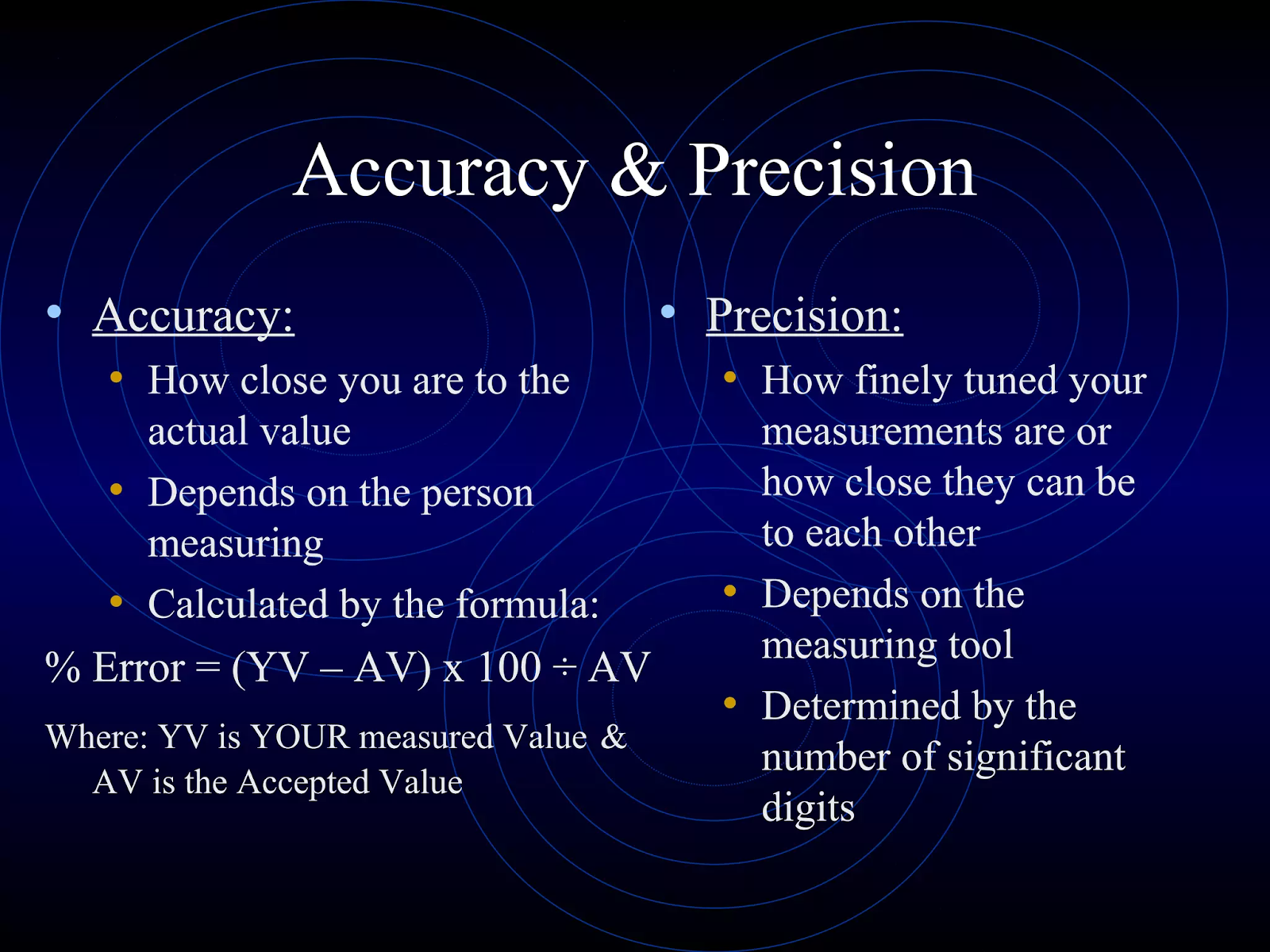
Precision is a measure of the exactness of a machine learning model. It answers the question: Of all the instances that the model predicted as positive, how many were actually positive? In other words, precision measures the proportion of true positive predictions among all positive predictions made by the model.
Accuracy
Accuracy, on the other hand, is a measure of correctness. It answers the question: Of all the instances in the dataset, how many did the model predict correctly? Accuracy measures the proportion of correct predictions (both true positives and true negatives) made by the model.
Difference Between Precision and Accuracy
The key difference between precision and accuracy lies in what they focus on. Precision focuses on how well a model performs when it predicts a positive outcome, while accuracy looks at overall correctness regardless of class labels.
For example, in a binary classification problem where identifying cases of cancer is crucial, precision would be more important than accuracy. A high precision score would mean that when the model predicts cancer, it is highly likely to be correct. On the other hand, accuracy could be high even if there are many false positives or false negatives.
Conclusion
In summary, precision and accuracy are both important metrics in evaluating machine learning models. Understanding their differences can help data scientists choose appropriate evaluation criteria based on their specific objectives and requirements.
Understanding Precision and Accuracy in Machine Learning: Key Differences and Applications
- What is the difference between precision and accuracy in machine learning?
- How do precision and accuracy differ in the context of machine learning?
- Why are precision and accuracy important metrics in evaluating machine learning models?
- Can you explain the concept of precision versus accuracy in machine learning?
- When should one prioritise precision over accuracy in machine learning?
- What implications do precision and accuracy have on the performance of machine learning models?
- Are there specific scenarios where high precision is more critical than high accuracy in machine learning tasks?
- How can data scientists effectively utilise precision and accuracy metrics to improve their machine learning models?
What is the difference between precision and accuracy in machine learning?
In the realm of machine learning, a commonly asked question revolves around distinguishing between precision and accuracy. Precision in machine learning refers to the measure of exactness in the model’s positive predictions, indicating how many of these predictions are truly positive. On the other hand, accuracy represents the overall correctness of the model’s predictions across all instances in the dataset, irrespective of class labels. Understanding this disparity is crucial for data scientists to effectively evaluate and fine-tune their machine learning models based on specific objectives and requirements.
How do precision and accuracy differ in the context of machine learning?
In the realm of machine learning, the distinction between precision and accuracy is a common point of confusion for many. Precision in machine learning pertains to the measure of exactness in positive predictions, highlighting the proportion of true positive outcomes among all instances predicted as positive by a model. On the other hand, accuracy focuses on overall correctness, indicating the proportion of correct predictions across all instances in a dataset. Understanding this disparity is crucial for effectively assessing model performance and selecting appropriate evaluation metrics tailored to specific objectives within the realm of machine learning.
Why are precision and accuracy important metrics in evaluating machine learning models?
Precision and accuracy are crucial metrics in evaluating machine learning models because they provide valuable insights into the model’s performance and reliability. Precision helps us understand the exactness of the model’s positive predictions, indicating how well it identifies relevant instances. On the other hand, accuracy gives an overall measure of correctness, showing how often the model makes correct predictions across all classes. By considering both precision and accuracy, data scientists can assess the trade-offs between false positives and false negatives, tailor their models to specific requirements, and make informed decisions about model effectiveness and suitability for real-world applications.
Can you explain the concept of precision versus accuracy in machine learning?
When discussing the concept of precision versus accuracy in machine learning, it is important to understand the nuanced differences between these two evaluation metrics. Precision focuses on the proportion of true positive predictions among all positive predictions made by a model, highlighting its exactness in identifying relevant instances. On the other hand, accuracy measures the overall correctness of a model’s predictions across all classes, irrespective of class labels. While precision emphasises the model’s ability to avoid false positives, accuracy provides a holistic view of prediction correctness. Both metrics play crucial roles in assessing the performance of machine learning models and are essential for making informed decisions based on specific objectives and requirements.
When should one prioritise precision over accuracy in machine learning?
When considering the prioritisation of precision over accuracy in machine learning, it is crucial to assess the specific objectives and implications of the task at hand. One should prioritise precision over accuracy in machine learning when the cost of false positives is high. For instance, in scenarios where misclassifying a positive instance as negative could have severe consequences, such as in medical diagnoses or fraud detection, prioritising precision becomes paramount. By focusing on precision, one aims to minimise false positive predictions, ensuring that when the model identifies a positive case, it is highly likely to be correct. Therefore, understanding the context and potential impact of false positives is essential in determining when to give precedence to precision over accuracy in machine learning applications.
What implications do precision and accuracy have on the performance of machine learning models?
The distinction between precision and accuracy in machine learning has significant implications on the performance of models. Precision measures the exactness of positive predictions, highlighting the model’s ability to correctly identify relevant instances. On the other hand, accuracy reflects overall correctness, encompassing both true positives and true negatives. Understanding these metrics is crucial as they inform different aspects of model performance. A high precision score indicates a low rate of false positives, which is essential in scenarios where precision is paramount, such as medical diagnosis. Conversely, accuracy provides a holistic view of model correctness but may not be sufficient when false positives or false negatives carry varying costs. By considering both precision and accuracy, data scientists can tailor their evaluation criteria to align with specific objectives and optimise model performance effectively.
Are there specific scenarios where high precision is more critical than high accuracy in machine learning tasks?
In machine learning tasks, there are specific scenarios where high precision is more critical than high accuracy. One such scenario is in medical diagnostics, where identifying true positive cases is paramount to avoid missing potential health risks. For example, in cancer detection, a high precision rate ensures that when the model predicts a positive case, it is highly likely to be accurate. This focus on precision helps reduce false positives, which can have serious consequences in healthcare settings. Therefore, in situations where the cost of false positives is high or where the emphasis is on correctly identifying positive instances, prioritising high precision over overall accuracy becomes crucial for effective decision-making and patient care.
How can data scientists effectively utilise precision and accuracy metrics to improve their machine learning models?
Data scientists can effectively utilise precision and accuracy metrics to enhance the performance of their machine learning models by understanding the distinct roles these metrics play in model evaluation. By focusing on precision, data scientists can ensure that their models make fewer false positive predictions, particularly in scenarios where precision is crucial, such as medical diagnoses or fraud detection. On the other hand, accuracy provides an overall measure of correctness and can help data scientists assess the general performance of their models across different classes. By carefully balancing precision and accuracy based on the specific requirements of their use case, data scientists can make informed decisions to improve the reliability and effectiveness of their machine learning models.