
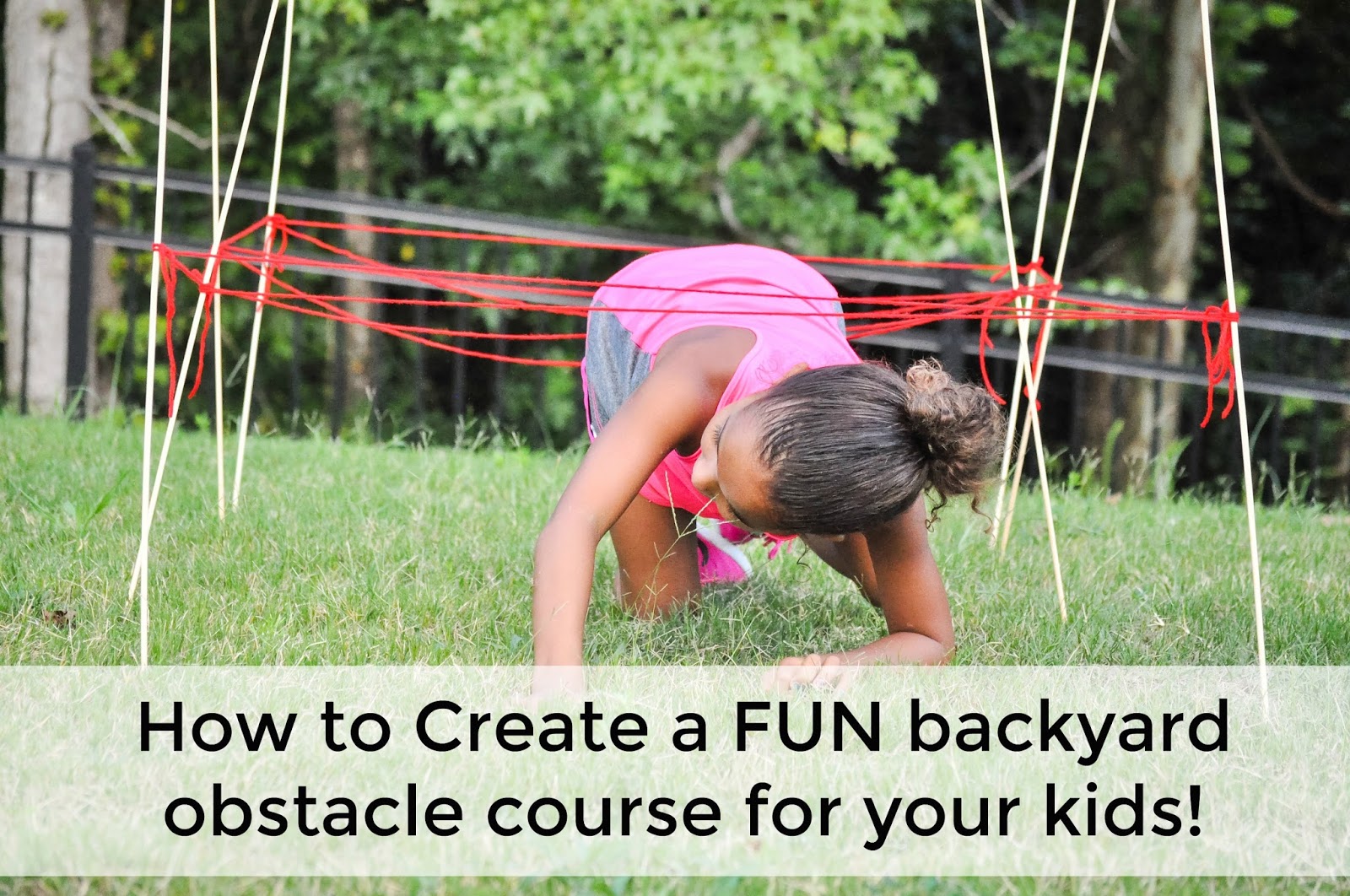
The Ultimate DIY Wooden Obstacle Course: A Fun and Challenging Project
Creating your own wooden obstacle course can be a rewarding and exciting project that will provide hours of fun and challenge for both children and adults. Whether you’re looking to enhance your backyard or create a unique training ground, a DIY wooden obstacle course is a fantastic addition to any outdoor space.
Materials Needed
- Wooden planks or beams
- Nails or screws
- Hammer or screwdriver
- Saw
- Rope
- Paint (optional)
Steps to Build Your Wooden Obstacle Course:
- Plan Your Course: Determine the layout of your obstacle course, including the types of obstacles you want to include such as balance beams, hurdles, tunnels, and climbing walls.
- Gather Materials: Purchase or gather the necessary materials for building each obstacle. Make sure you have enough wood to create the obstacles according to your design.
- Build the Obstacles: Use your saw, hammer, and nails/screws to construct each obstacle according to your plans. Be creative with the design and ensure that each obstacle is sturdy and safe for use.
- Add Challenges: Incorporate elements such as ropes for climbing, tyres for jumping through, or water features for added excitement. The more variety in challenges, the more engaging the course will be.
- Paint and Personalise: If desired, paint your obstacles in bright colours or add personal touches such as names or numbers. This not only adds visual appeal but also makes the course more interactive.
- Test Your Course: Once all obstacles are built and in place, test out the course yourself or with friends/family members. Make any necessary adjustments to improve safety or increase difficulty as needed.
A DIY wooden obstacle course is a fantastic way to promote physical activity, creativity, and teamwork. It can be enjoyed by people of all ages and skill levels, making it a versatile addition to any outdoor space. So roll up your sleeves, grab your tools, and start building your very own wooden obstacle course today!
7 Essential Tips for Building a Safe and Engaging DIY Wooden Obstacle Course
- Plan your obstacle course layout before starting to build.
- Use sturdy and durable wood for the obstacles to ensure safety and longevity.
- Incorporate a variety of challenges such as balance beams, hurdles, and climbing walls.
- Make sure all edges are smooth and corners are rounded to prevent injuries.
- Secure all obstacles firmly in place to avoid accidents during use.
- Consider adding non-slip surfaces or grips to enhance safety for participants.
- Regularly inspect and maintain the wooden obstacles to address any wear and tear.
Plan your obstacle course layout before starting to build.
Before embarking on the construction of your DIY wooden obstacle course, it is crucial to carefully plan out the layout of the course. By taking the time to sketch out your design and determine the placement of each obstacle, you can ensure that the course flows smoothly and offers a balanced mix of challenges. Planning ahead will not only help you visualise the final result but also allow you to make any necessary adjustments before beginning construction. A well-thought-out layout will ultimately contribute to a more engaging and enjoyable obstacle course experience for participants of all ages.
Use sturdy and durable wood for the obstacles to ensure safety and longevity.
When embarking on the creation of a DIY wooden obstacle course, it is crucial to use sturdy and durable wood for the obstacles to guarantee both safety and longevity. By selecting high-quality materials, you can ensure that your obstacles withstand the test of time and intense use, providing a secure environment for participants to enjoy the course without worrying about structural integrity. Investing in robust wood not only enhances safety but also adds a level of reliability that will allow your obstacle course to be enjoyed for years to come.
Incorporate a variety of challenges such as balance beams, hurdles, and climbing walls.
To create an engaging and dynamic DIY wooden obstacle course, it is essential to incorporate a diverse range of challenges. By including elements like balance beams, hurdles, and climbing walls, you can offer participants a well-rounded experience that tests their agility, strength, and problem-solving skills. These varied obstacles not only add excitement and fun to the course but also provide opportunities for individuals to push themselves beyond their limits and conquer new challenges. With a mix of physical and mental challenges, your wooden obstacle course will keep participants entertained and motivated to overcome each hurdle with determination and skill.
Make sure all edges are smooth and corners are rounded to prevent injuries.
When constructing your DIY wooden obstacle course, it is crucial to ensure that all edges are smooth and corners are rounded to prevent injuries. By taking the time to sand down rough edges and shape corners, you can create a safer environment for participants to navigate through the obstacles. This simple yet essential tip not only enhances the overall experience but also prioritises the safety of those enjoying the course.
Secure all obstacles firmly in place to avoid accidents during use.
It is crucial to secure all obstacles firmly in place when creating a DIY wooden obstacle course to prevent accidents during use. Ensuring that each obstacle is securely fastened and stable will help maintain the safety of participants as they navigate the course. Regularly check the stability of the obstacles and make any necessary adjustments to reinforce their structure. By prioritising safety and taking the time to secure each element properly, you can create a challenging and enjoyable wooden obstacle course that can be enjoyed with peace of mind.
Consider adding non-slip surfaces or grips to enhance safety for participants.
When creating your DIY wooden obstacle course, it is crucial to prioritise safety for all participants. One important tip to consider is adding non-slip surfaces or grips to the obstacles. By incorporating these safety features, you can enhance traction and stability, reducing the risk of slips and falls during the course. Whether it’s applying non-slip paint on climbing walls or attaching rubber grips to balance beams, these small additions can make a significant difference in ensuring a safe and enjoyable experience for everyone taking on the challenge.
Regularly inspect and maintain the wooden obstacles to address any wear and tear.
It is essential to regularly inspect and maintain the wooden obstacles of your DIY obstacle course to address any wear and tear that may occur over time. By conducting routine checks, you can identify and fix any issues promptly, ensuring the safety and longevity of your obstacles. This proactive approach not only helps prevent accidents but also maintains the quality of your course, allowing you and others to continue enjoying the challenges it offers for years to come.