
Innovative Point of Sale Systems: Transforming the Way Businesses Sell
Point of sale (POS) systems have evolved far beyond the traditional till. Today’s solutions can bring together payments, stock control, customer information and sales reporting in one connected platform. For businesses of all sizes, an innovative POS system can make everyday operations smoother while helping staff deliver a better customer experience.
What is a modern POS system?
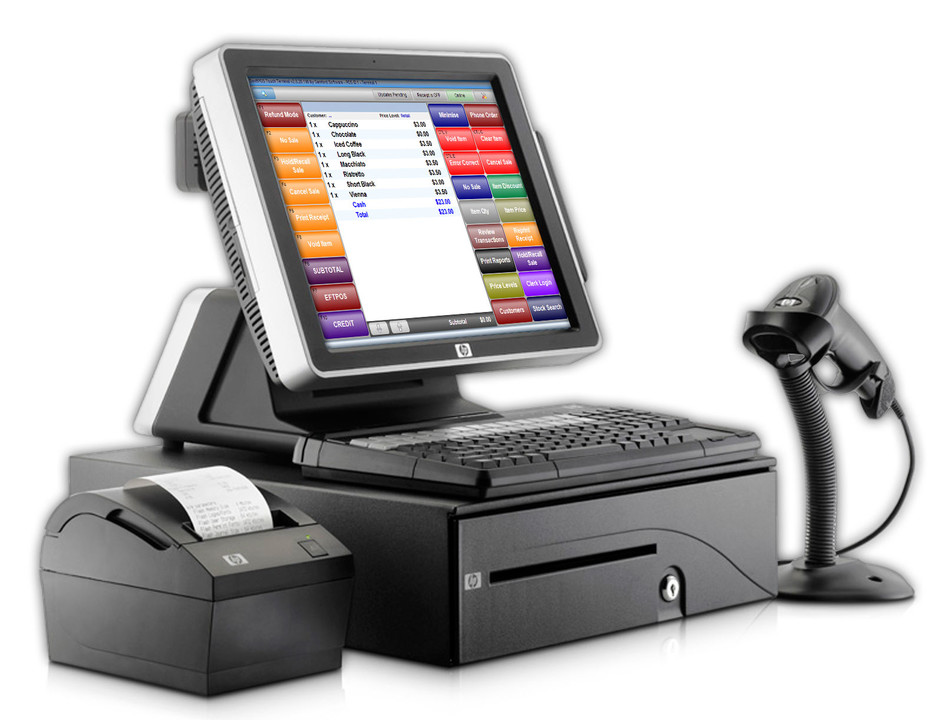
A POS system is the combination of hardware and software used to complete sales. It may include a tablet or terminal, a card reader, a receipt printer and a cash drawer. Modern systems often add cloud-based software that connects sales data with tools for managing inventory, staff and customer relationships.
Depending on the business, a POS system might be used in a shop, restaurant, market stall or online. Some platforms bring several sales channels together, giving businesses a clearer view of what is happening across the whole operation.
Key innovations in POS technology
Cloud-based management
Cloud-based POS systems store and synchronise information online. This can allow authorised users to view sales, update products or check stock from different locations. It also makes it easier for businesses with multiple branches to keep information consistent. Access and features vary by provider, so businesses should check how data is stored and what happens if the internet connection is unavailable.
Flexible and mobile payments
Mobile POS devices let staff take payments away from a fixed till, such as on the shop floor, at a table or at an event. Many systems support contactless cards and mobile wallets, helping customers pay in the way that suits them. Faster payment options can also reduce queues, particularly during busy periods.
Joined-up sales channels
Customers may browse online, visit a physical shop and choose delivery or collection. An integrated POS system can help connect these experiences by keeping product information and stock levels aligned across channels. This can reduce the risk of selling an item that is no longer available and make it easier to manage orders from one place.
Smarter stock control
Modern systems can update stock records as sales are made and provide alerts when popular products are running low. Some can also help identify sales patterns, making it easier to plan orders and spot slow-moving items. These tools support better decisions, although accurate product data and regular checks remain important.
Customer insights and loyalty
With suitable consent and privacy safeguards, POS systems can help businesses understand purchasing habits and manage loyalty programmes. Staff may be able to see relevant customer preferences or apply rewards at the checkout. Used thoughtfully, this information can help a business offer more relevant service without making the experience feel intrusive.
Automation and integration
A POS system can connect with accounting, e-commerce, booking and staff-management software. This can reduce duplicate data entry and make routine tasks quicker. In hospitality, for example, an order may be sent directly from the till to the kitchen. In retail, sales information may feed into bookkeeping tools automatically.
Benefits for businesses and customers
The right POS system can improve checkout speed, reduce manual work and provide a more accurate picture of business performance. Staff can spend less time handling administrative tasks, while managers can use reports to review sales and make informed decisions.
Customers may benefit from quicker payments, clearer receipts and more convenient ways to shop. A connected system can also make services such as click-and-collect or digital loyalty schemes easier to manage.
Choosing the right system
Innovation alone does not guarantee a good fit. Before choosing a POS system, businesses should consider:
- Business needs: Identify the essential functions for the type and scale of the operation.
- Ease of use: Choose a system that staff can learn quickly and use confidently.
- Compatibility: Check that it works with existing hardware and software, or identify what will need replacing.
- Costs: Compare equipment, subscriptions, payment processing fees, support and any setup charges.
- Security and privacy: Ask how payment and customer data are protected, and review relevant legal and regulatory requirements.
- Reliability: Find out what support is available and whether the system can continue operating during an internet outage.
- Room to grow: Consider whether the system can support more products, locations or sales channels as the business develops.
Making the most of a new POS system
A successful rollout involves more than installing new equipment. Businesses should keep product and stock information accurate, train staff and test common tasks before switching over. It is also worth reviewing reports regularly to check whether the system is saving time and providing useful insights.
Innovative POS systems are reshaping the way businesses manage sales and serve customers. By choosing technology that fits their needs—and using it with care—businesses can build a more connected, efficient and flexible point of sale.
Five Key Benefits of Innovative Point-of-Sale Systems
- Speed up checkout and reduce queues.
- Track stock levels in real time.
- Accept contactless and mobile payments.
- Connect in-store and online sales.
- Provide useful insights into sales trends.
Drawbacks of Innovative Point-of-Sale Systems
- Can be expensive to set up and maintain.
- Needs reliable internet access to work smoothly.
- Staff may need time and training to adapt.
- Stores sensitive payment and customer data, creating security risks.
Speed up checkout and reduce queues.
Innovative point of sale systems can speed up checkout and help reduce queues by processing payments quickly and giving staff flexible ways to serve customers. Mobile terminals allow employees to take payments wherever customers are, while contactless options make transactions more convenient. By streamlining each step of the sale, businesses can keep queues moving and create a smoother experience, especially during busy periods.
Track stock levels in real time.
Innovative point of sale systems track stock levels in real time, automatically updating inventory whenever an item is sold, returned or received. This gives businesses a clearer view of what is available, helps staff spot low-stock items before they run out and reduces the risk of selling products that are no longer in stock. With more accurate information, businesses can make better decisions about reordering and managing their inventory.
Accept contactless and mobile payments.
Innovative point of sale systems make it easy for businesses to accept contactless cards and mobile payments, including digital wallets on smartphones and smartwatches. Customers can pay quickly and conveniently without handling cash, helping to speed up queues and create a smoother checkout experience. For businesses, offering familiar payment options can make transactions simpler and help meet the expectations of today’s shoppers.
Connect in-store and online sales.
Innovative point of sale systems can connect in-store and online sales, giving businesses a clearer, more consistent view of their operations. Stock levels, product details and orders can be synchronised across channels, helping to reduce errors such as selling an item that is no longer available. Customers can also enjoy a smoother shopping experience, whether they browse online, buy in store or choose options such as click and collect.
Provide useful insights into sales trends.
Innovative point of sale systems can turn everyday transactions into useful insights about sales trends. By tracking which products sell best, when demand peaks and how purchasing patterns change over time, they help businesses make more informed decisions about stock, staffing and promotions. These insights can also highlight slower-moving items and emerging customer preferences, allowing businesses to adapt their offerings and plan ahead with greater confidence.
Can be expensive to set up and maintain.
One drawback of innovative point of sale systems is the cost. As well as paying for hardware and software, businesses may face setup fees, monthly subscriptions, payment processing charges and ongoing costs for updates or technical support. These expenses can add up, particularly for small businesses, so it is important to compare providers and consider the total cost over time before making a decision.
Needs reliable internet access to work smoothly.
One drawback of many innovative point of sale systems is their reliance on a reliable internet connection. If the connection is slow or interrupted, payments may take longer to process, sales data may not synchronise and staff could struggle to access important features. Some systems offer an offline mode, but its capabilities can be limited, so businesses should check what will still work during an outage and have a backup plan in place.
Staff may need time and training to adapt.
Introducing an innovative point of sale system can take staff time to get used to, particularly if it changes familiar routines or includes features they have not used before. Training may temporarily take employees away from their usual duties, and mistakes can occur while they learn the new processes. Clear guidance, hands-on practice and ongoing support can help make the transition smoother, but businesses should plan for these demands when adopting a new system.
Stores sensitive payment and customer data, creating security risks.
Innovative point of sale systems can store sensitive payment details and customer information, making them a potential target for cybercriminals. A data breach could expose customers to fraud and damage a business’s reputation, so retailers need to protect their systems with strong security measures, restrict access to data and keep software up to date.