
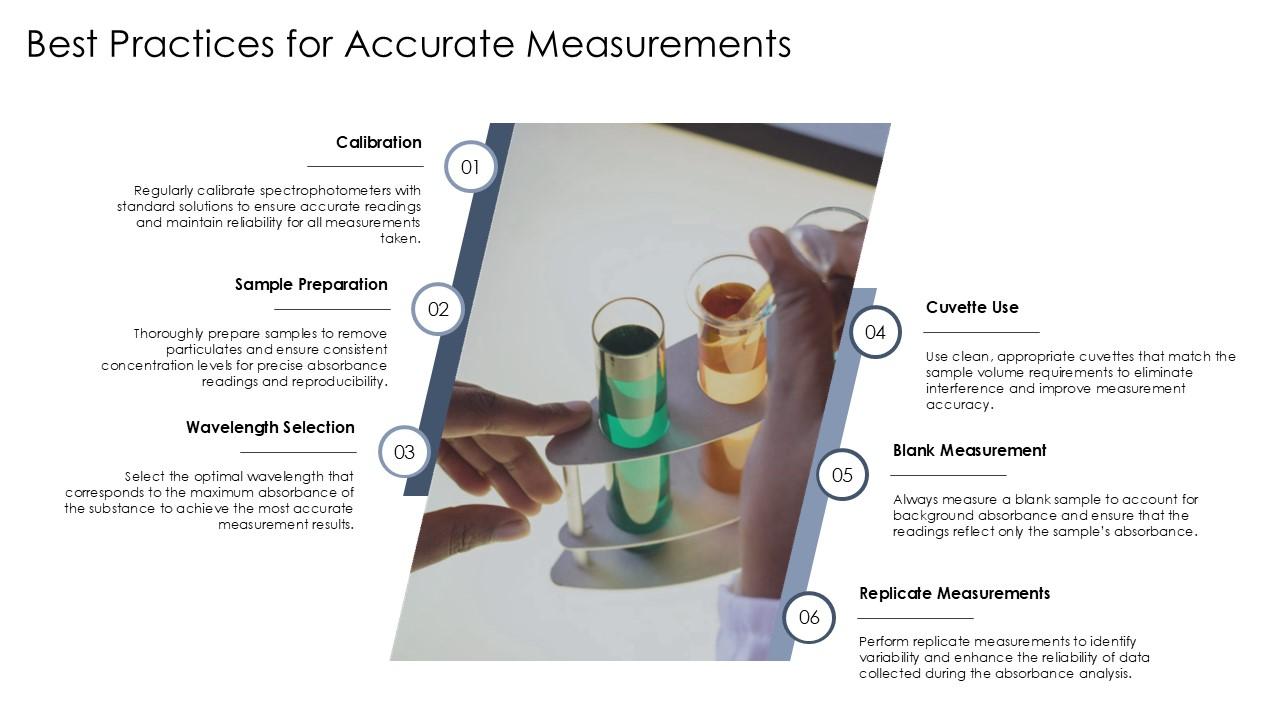
The Importance of Accurate Measurement: An Example
Accurate measurement is crucial in various aspects of life, from scientific experiments to everyday tasks. Let’s explore an example that highlights the significance of precise measurements.
Example: Baking a Cake
Imagine you are baking a cake and following a recipe that requires specific measurements of ingredients. If you inaccurately measure the flour, sugar, or baking powder, the entire outcome of the cake could be compromised.
For instance, if the recipe calls for 200 grams of flour, but you mistakenly use 250 grams instead, the cake may turn out dense and dry. On the other hand, using less than the required amount could result in a flat and undercooked cake.
By accurately measuring each ingredient according to the recipe’s instructions, you ensure that the chemical reactions during baking occur as intended. This precision leads to a perfectly moist and delicious cake that delights everyone who tastes it.
The Impact Beyond Baking
The importance of accurate measurement extends beyond baking. In scientific research, engineering projects, medical treatments, and countless other fields, precise measurements are essential for obtaining reliable results and making informed decisions.
Whether it’s determining medication dosages for patients or calibrating instruments for space exploration, accuracy in measurement plays a critical role in achieving success and avoiding costly errors.
In Conclusion
Accurate measurement is not just about numbers; it is about ensuring quality, consistency, and reliability in everything we do. By paying attention to details and using precise measurements in our daily tasks, we set ourselves up for success and excellence.
Eight Benefits of Accurate Measurement: Precision, Efficiency, and Trust
- Ensures precise and consistent results
- Facilitates reproducibility in experiments and processes
- Minimises wastage of resources by avoiding overuse or underuse
- Enhances the quality of products and services
- Increases efficiency by reducing errors and rework
- Builds trust and credibility with clients and stakeholders
- Enables better decision-making based on reliable data
- Promotes safety by ensuring correct measurements in critical situations
Challenges of Accurate Measurement: Time, Cost, and the Risk of Over-Reliance
- Increased time and effort required to ensure precise measurements
- Risk of human error leading to inaccuracies in measurement
- Cost of purchasing high-precision measuring equipment
- Difficulty in maintaining consistency across multiple measurements
- Potential for confusion or misinterpretation of measurement units
- Limited flexibility in adjusting quantities once measurements are taken
- Possibility of over-reliance on exact measurements, stifling creativity or innovation
Ensures precise and consistent results
Accurate measurement serves as a cornerstone in ensuring precise and consistent results across various domains. By meticulously measuring quantities and dimensions with precision, we can rely on obtaining outcomes that are not only accurate but also consistent over time. Whether in scientific experiments, manufacturing processes, or culinary endeavors, the pro of accurate measurement guarantees that our efforts yield reliable and reproducible results, fostering trust in the validity and quality of our work.
Facilitates reproducibility in experiments and processes
Accurate measurement plays a vital role in facilitating reproducibility in experiments and processes. By ensuring that measurements are precise and consistent, researchers and professionals can replicate their findings or outcomes with a high level of confidence. This reliability not only enhances the credibility of scientific research but also streamlines industrial processes, leading to improved quality control and efficiency. Ultimately, the pro of accurate measurement in promoting reproducibility empowers advancements in various fields by building a solid foundation of dependable results that can be replicated and validated.
Minimises wastage of resources by avoiding overuse or underuse
Accurate measurement serves as a valuable tool in minimising wastage of resources by preventing both overuse and underuse. By precisely measuring quantities, whether it be ingredients in a recipe or materials in a construction project, we can ensure that resources are optimally utilised. Avoiding overuse prevents unnecessary depletion of resources, while preventing underuse helps in maximising efficiency and reducing unnecessary costs. Through accurate measurement practices, we can strike a balance that not only conserves resources but also promotes sustainability and cost-effectiveness in various endeavours.
Enhances the quality of products and services
Accurate measurement serves as a cornerstone in enhancing the quality of products and services across various industries. By ensuring precise measurements are applied in manufacturing processes, construction projects, or service delivery, businesses can consistently meet or exceed customer expectations. When every component is measured accurately and assembled with precision, the end result is a product or service that not only functions effectively but also showcases a level of craftsmanship and reliability that instills confidence in consumers. This commitment to accuracy ultimately leads to improved customer satisfaction and loyalty, setting businesses apart in a competitive market landscape.
Increases efficiency by reducing errors and rework
Accurate measurement offers a significant advantage by increasing efficiency through the reduction of errors and the need for rework. When measurements are precise and reliable, there is less room for mistakes in processes, leading to smoother operations and improved productivity. By getting it right the first time, resources are optimally utilized, time is saved, and costly rework is minimised. This not only streamlines workflows but also enhances overall output quality, ultimately contributing to greater efficiency and effectiveness in various tasks and projects.
Builds trust and credibility with clients and stakeholders
Accurate measurement builds trust and credibility with clients and stakeholders by demonstrating a commitment to precision and reliability. When businesses consistently deliver precise results based on accurate measurements, it instills confidence in the quality of their products or services. Clients and stakeholders are more likely to trust companies that prioritise accuracy in their processes, leading to stronger relationships and enhanced reputation within the industry. This trust and credibility can pave the way for long-term partnerships and continued success in business endeavours.
Enables better decision-making based on reliable data
Accurate measurement serves as a cornerstone for enabling better decision-making based on reliable data. When measurements are precise and consistent, the data obtained is trustworthy and can be relied upon to guide informed choices. Whether in scientific research, business operations, or personal endeavours, having accurate measurements allows for a clear understanding of the situation at hand, leading to more effective decision-making processes. By ensuring that the data collected is accurate and dependable, individuals and organisations can make well-informed decisions that are more likely to yield successful outcomes.
Promotes safety by ensuring correct measurements in critical situations
Accurate measurement promotes safety by ensuring correct measurements in critical situations. Whether it’s in the construction industry, healthcare settings, or emergency response scenarios, precise measurements play a vital role in preventing accidents and mitigating risks. For instance, accurate measurements of medication doses can prevent harmful overdosing or underdosing in patients, while precise measurements of building materials ensure structural integrity and safety. By prioritising accuracy in measurement, we create a secure environment where errors are minimised, and potential hazards are effectively managed.
Increased time and effort required to ensure precise measurements
In the pursuit of accurate measurements, one significant drawback is the increased time and effort needed to ensure precision. Whether it involves meticulously calibrating instruments, double-checking calculations, or carefully weighing ingredients, the quest for exactness can be time-consuming and labor-intensive. This additional investment of time and effort may sometimes lead to delays in projects or tasks, impacting productivity. Despite the challenge, the benefits of precise measurements often outweigh the drawbacks, as they contribute to reliability and quality in outcomes across various fields.
Risk of human error leading to inaccuracies in measurement
In the realm of accurate measurement, one significant con to consider is the inherent risk of human error, which can often lead to inaccuracies in measurements. Despite our best intentions and efforts to be precise, humans are fallible beings prone to mistakes. A simple miscalculation, misreading of instruments, or oversight in the measurement process can result in significant deviations from the intended values. These inaccuracies can have far-reaching consequences, impacting the reliability of data, the quality of outcomes, and potentially leading to costly errors in various fields where precision is paramount. It underscores the importance of implementing robust quality control measures and leveraging technology to minimise the impact of human error on accurate measurements.
Cost of purchasing high-precision measuring equipment
One significant drawback of prioritising accurate measurement is the cost associated with purchasing high-precision measuring equipment. High-quality instruments designed to provide precise measurements often come with a hefty price tag, making them inaccessible to individuals or organisations with limited budgets. The initial investment required for acquiring such equipment can be a barrier for many, especially smaller businesses or research facilities. This financial constraint may force individuals to compromise on the level of accuracy they can achieve, potentially impacting the quality and reliability of their work. Despite the undeniable benefits of accurate measurement, the expense involved in obtaining top-tier measuring tools remains a considerable con that cannot be overlooked.
Difficulty in maintaining consistency across multiple measurements
One challenge associated with accurate measurement is the difficulty in maintaining consistency across multiple measurements. Even with precise instruments and careful techniques, variations can occur due to factors such as environmental conditions, human error, or equipment calibration. Ensuring that each measurement aligns perfectly with the desired accuracy level can be a complex task, requiring constant vigilance and adjustments to minimize discrepancies. In scenarios where a high degree of consistency is crucial, such as in scientific experiments or manufacturing processes, this con of accurate measurement highlights the need for rigorous quality control measures and continuous monitoring to uphold reliability and validity in the results obtained.
Potential for confusion or misinterpretation of measurement units
Inaccurate measurement units can lead to confusion and misinterpretation of data, potentially resulting in errors and misunderstandings. For example, mixing up units like centimeters with millimeters or pounds with kilograms can have significant implications in fields such as engineering, construction, and scientific research. Such mistakes can not only affect the accuracy of calculations but also compromise the safety and integrity of projects. It is crucial to pay close attention to the correct measurement units to ensure clear communication and reliable results in any endeavour.
Limited flexibility in adjusting quantities once measurements are taken
One significant drawback of accurate measurement is the limited flexibility in adjusting quantities once measurements are taken. In scenarios where precise measurements are crucial, such as in scientific experiments or baking recipes, any deviation from the initial measurements can lead to undesired outcomes. This lack of flexibility can be challenging, especially when unexpected changes or errors occur during the process. It restricts the ability to make on-the-fly adjustments and may result in wasted resources or compromised results if alterations are needed after the measurements have been taken.
Possibility of over-reliance on exact measurements, stifling creativity or innovation
While accurate measurement is undeniably important in various fields, one potential con is the possibility of over-reliance on exact measurements, which can inadvertently stifle creativity and innovation. When individuals become fixated on achieving precise measurements at all costs, they may overlook opportunities for experimentation and exploration. Creativity often thrives in moments of spontaneity and flexibility, where deviations from strict measurements can lead to unique outcomes and breakthroughs. By striking a balance between precision and creative freedom, individuals can harness the power of accurate measurement while still allowing room for innovation to flourish.