
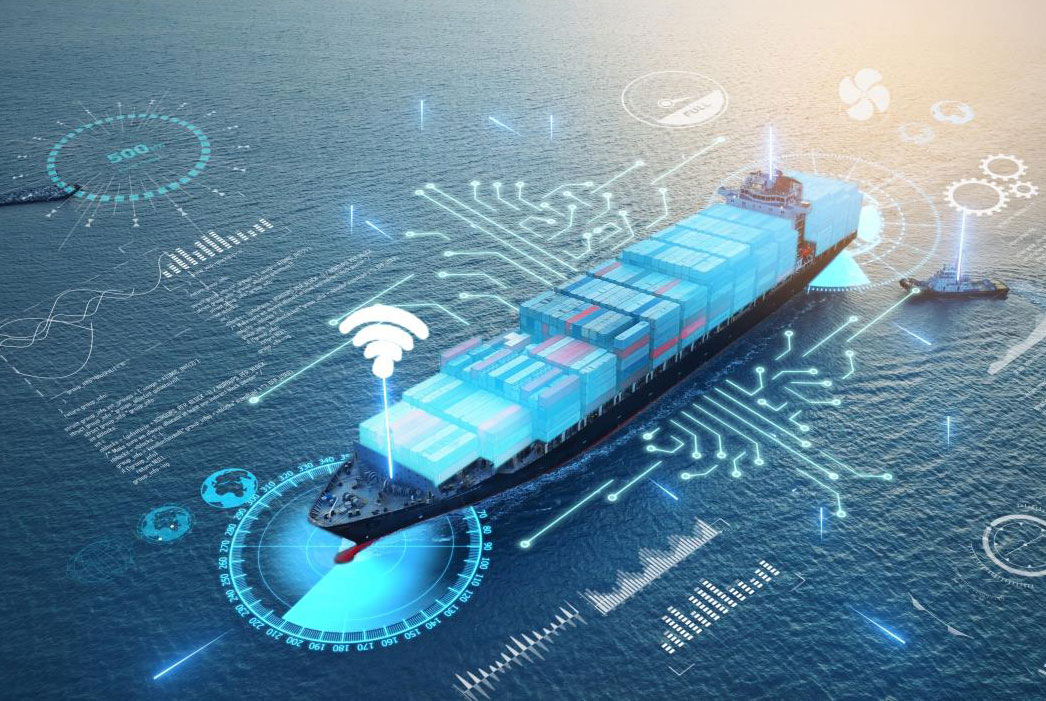
Innovative Solutions in Maritime Technology
The maritime industry has always been a cornerstone of global trade and transportation. As the world becomes increasingly interconnected, the demand for efficient, sustainable, and safe maritime operations continues to grow. Innovative solutions in maritime technology are playing a crucial role in meeting these demands and transforming the industry.
Autonomous Vessels
One of the most exciting advancements in maritime technology is the development of autonomous vessels. These ships are equipped with sophisticated sensors and artificial intelligence systems that allow them to navigate and operate without human intervention. Autonomous vessels promise to enhance safety by reducing human error, optimise fuel efficiency, and lower operational costs.
Green Shipping Technologies
Sustainability is a significant focus for the maritime industry as it seeks to reduce its environmental impact. Green shipping technologies include innovations such as alternative fuels like LNG (liquefied natural gas) and hydrogen, as well as wind-assisted propulsion systems. These technologies aim to reduce carbon emissions and improve energy efficiency across the sector.
Smart Ports
The concept of smart ports is revolutionising how goods are handled at maritime facilities. By integrating Internet of Things (IoT) devices, big data analytics, and automated systems, smart ports can streamline operations, enhance security measures, and improve overall efficiency. This results in faster turnaround times for ships and reduced congestion at port facilities.
Advanced Navigation Systems
Modern navigation systems have become increasingly sophisticated with the use of satellite technology and real-time data analytics. These systems provide accurate positioning information, weather forecasts, and route optimisation tools that help ships avoid hazards and save fuel by choosing more efficient paths.
Cybersecurity Solutions
As maritime operations become more digitised, cybersecurity has emerged as a critical concern. Innovative cybersecurity solutions are being developed to protect vessels from cyber threats that could compromise navigation systems or disrupt communication networks. These solutions ensure that data integrity is maintained across all digital platforms used within the industry.
The Future of Maritime Technology
The future of maritime technology looks promising with continuous advancements on the horizon. Collaborative efforts between governments, research institutions, and private companies are driving innovation forward at an unprecedented pace. As these technologies mature, they hold the potential to create safer seas while promoting economic growth through more efficient global trade routes.
The integration of innovative solutions into maritime operations not only addresses current challenges but also paves the way for a sustainable future where technological progress aligns with environmental responsibility.
Exploring Innovative Maritime Technology: Autonomous Vessels, Green Shipping, Smart Ports, Navigation Advancements, and Cybersecurity Solutions
- What are autonomous vessels and how do they impact maritime operations?
- How are green shipping technologies contributing to sustainability in the maritime industry?
- What are smart ports and how do they improve efficiency at maritime facilities?
- What advancements have been made in navigation systems to enhance safety and fuel efficiency for ships?
- Why is cybersecurity important in the context of maritime technology, and what solutions are available to address cyber threats?
What are autonomous vessels and how do they impact maritime operations?
Autonomous vessels represent a groundbreaking advancement in maritime technology, revolutionising the way ships navigate and operate at sea. These vessels are equipped with cutting-edge sensors, artificial intelligence systems, and advanced algorithms that enable them to function independently without direct human intervention. The impact of autonomous vessels on maritime operations is profound, offering significant improvements in safety, efficiency, and cost-effectiveness. By reducing the risk of human error and enhancing decision-making processes, autonomous vessels can enhance overall safety standards at sea. Moreover, these innovative solutions have the potential to optimise fuel consumption, streamline route planning, and increase operational efficiency, ultimately transforming the landscape of modern maritime transportation towards a more sustainable and technologically advanced future.
How are green shipping technologies contributing to sustainability in the maritime industry?
Green shipping technologies play a pivotal role in enhancing sustainability within the maritime industry by significantly reducing its environmental footprint. By utilising alternative fuels such as LNG and hydrogen, along with innovative wind-assisted propulsion systems, green shipping technologies help to minimise carbon emissions and improve energy efficiency across the sector. These eco-friendly solutions not only lower the industry’s impact on the environment but also promote a more sustainable approach to maritime operations, aligning with global efforts to combat climate change and preserve our oceans for future generations.
What are smart ports and how do they improve efficiency at maritime facilities?
Smart ports represent a transformative approach to modernising maritime facilities through the integration of cutting-edge technology. These ports leverage advanced digital systems, such as Internet of Things (IoT) devices, big data analytics, and automation, to streamline operations and enhance efficiency. By implementing smart port solutions, maritime facilities can optimise resource allocation, improve cargo handling processes, and enhance overall logistics management. Real-time data insights enable port operators to make informed decisions quickly, leading to reduced turnaround times for ships, increased throughput capacity, and enhanced security measures. Smart ports revolutionise traditional port operations by introducing a new level of connectivity and intelligence that ultimately results in smoother workflows and a more sustainable approach to managing maritime activities.
What advancements have been made in navigation systems to enhance safety and fuel efficiency for ships?
Advancements in navigation systems have significantly contributed to enhancing safety and fuel efficiency for ships in the maritime industry. The integration of satellite technology and real-time data analytics has revolutionised how ships navigate the seas. These modern navigation systems provide accurate positioning information, weather forecasts, and route optimisation tools that help vessels avoid hazards and choose the most fuel-efficient paths. By leveraging these innovative solutions, ships can enhance their safety measures by ensuring precise navigation while simultaneously reducing fuel consumption, ultimately leading to cost savings and a more sustainable approach to maritime operations.
Why is cybersecurity important in the context of maritime technology, and what solutions are available to address cyber threats?
Cybersecurity is paramount in the realm of maritime technology due to the increasing digitisation and interconnectedness of systems onboard vessels and within port facilities. The reliance on digital infrastructure makes the maritime industry vulnerable to cyber threats that could compromise navigation systems, communication networks, and sensitive data. To address these risks, various solutions are available, including robust encryption protocols, network segmentation to isolate critical systems, continuous monitoring for suspicious activities, regular cybersecurity training for personnel, and the implementation of intrusion detection systems. Additionally, partnerships with cybersecurity experts and adherence to industry best practices can further enhance the resilience of maritime operations against cyber attacks. Prioritising cybersecurity not only safeguards critical maritime assets but also ensures safe and secure navigation in an increasingly digitalised world.